




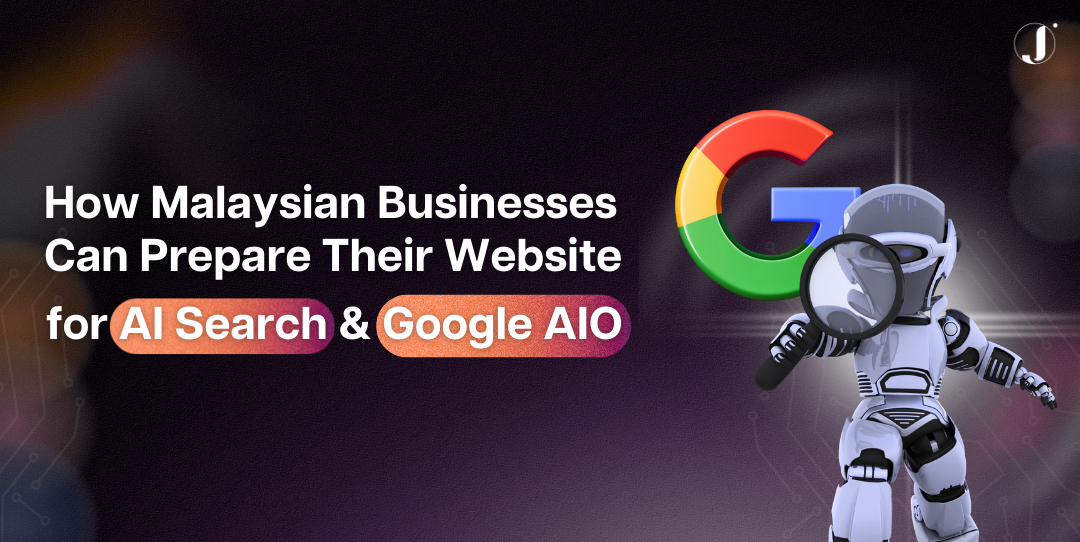
AI search refers to systems like Google AI Overviews, ChatGPT, and Perplexity that generate direct answers by synthesising information from multiple trusted websites instead of sending users to individual pages.
For Malaysian businesses, this means:
- Visibility no longer depends on clicks
- Websites are evaluated as sources, not destinations
- Poorly structured content is ignored, even if rankings look “fine”
If you’re running a business in Malaysia right now, you’ve probably felt it.
Google still shows traffic.
Your rankings still look “okay”.
But enquiries? Leads? Clicks?
They’re… weirdly quieter.
That’s not your imagination.
That’s AI search optimisation Malaysia becoming a real thing.
People are getting answers without clicking.
Google’s AI is now doing what websites used to do:
summarise, recommend, explain, instantly.
And if your website isn’t structured for AI, you’re slowly being pushed out of the conversation.
Let me break down what’s happening, and more importantly, what Malaysian businesses need to do now to stay visible.
What Is AI Search Anyway?
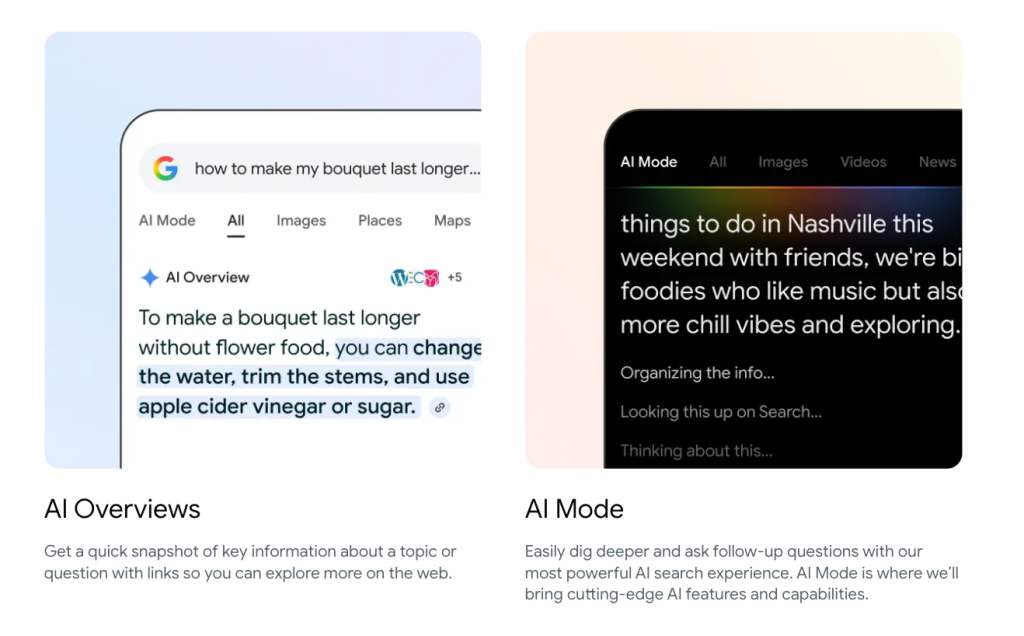
Google AI Overview (AIO) is a search feature that appears above traditional results and provides users with a complete answer without requiring them to click any website.
AIO pulls:
- Definitions
- Lists
- Comparisons
- Local recommendations
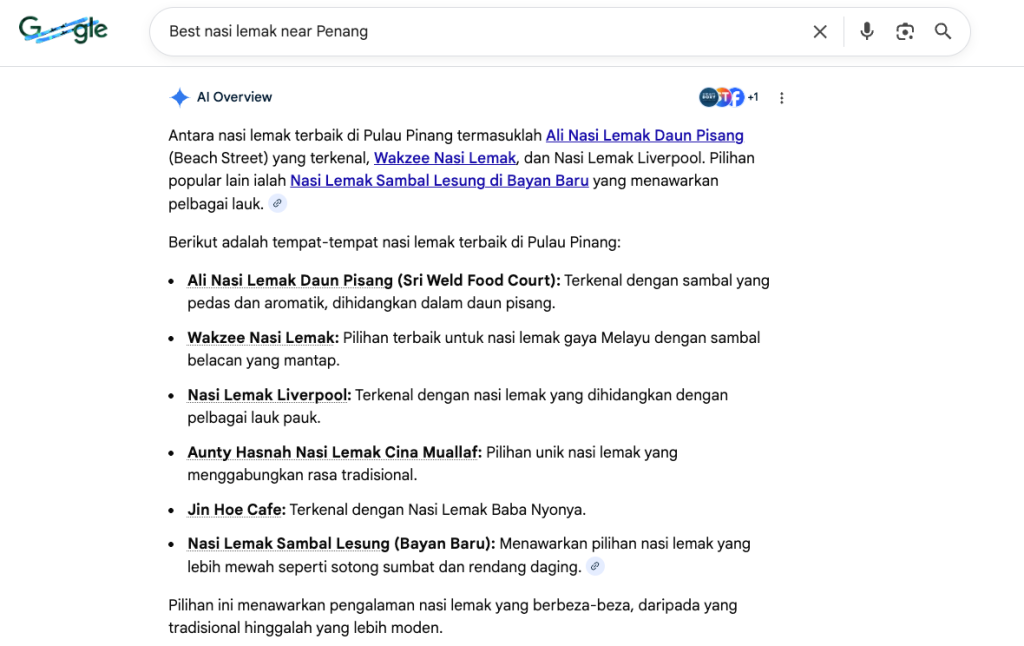
Example search:
“Best nasi lemak near Penang”
AI Overview may show:
- Recommended stalls
- Locations
- Why each option is popular
Your website may power that answer, without receiving the click.
This is why AI search optimization in Malaysia is no longer optional.
Here’s the blunt truth.
AI search isn’t “coming”.
It’s already live, already rolled out, and already impacting your traffic.
Why Malaysian Businesses Are Losing Traffic (Even When Rankings Look Fine)
Traffic loss with stable rankings is a common AI search symptom.
What’s happening:
- Users get answers directly from AI
- Fewer clicks reach websites
- Traditional SEO metrics lag behind reality
AI platforms now act as the middle layer between your content and your customers.
They decide:
“Is this source structured, authoritative, and reliable enough to quote?”
If not, you’re excluded.
How AEO Differs from Traditional SEO
Key Differences at a Glance
| Factor | Traditional SEO | AI Search (AEO) |
| Primary goal | Website clicks | AI citations |
| Content style | Keyword-driven | Answer-driven |
| Structure | Optional | Mandatory |
| Schema | Nice-to-have | Critical |
| Authority | Backlinks | Trust + expertise |
Answer Engine Optimisation (AEO) focuses on making your content:
- Easy for AI to parse
- Easy to extract
- Safe to quote publicly
SEO still matters, but AEO is the selection layer above it (Google).
You now optimise for how machines read, not just how humans browse.
Structure Your Content for AI Consumption
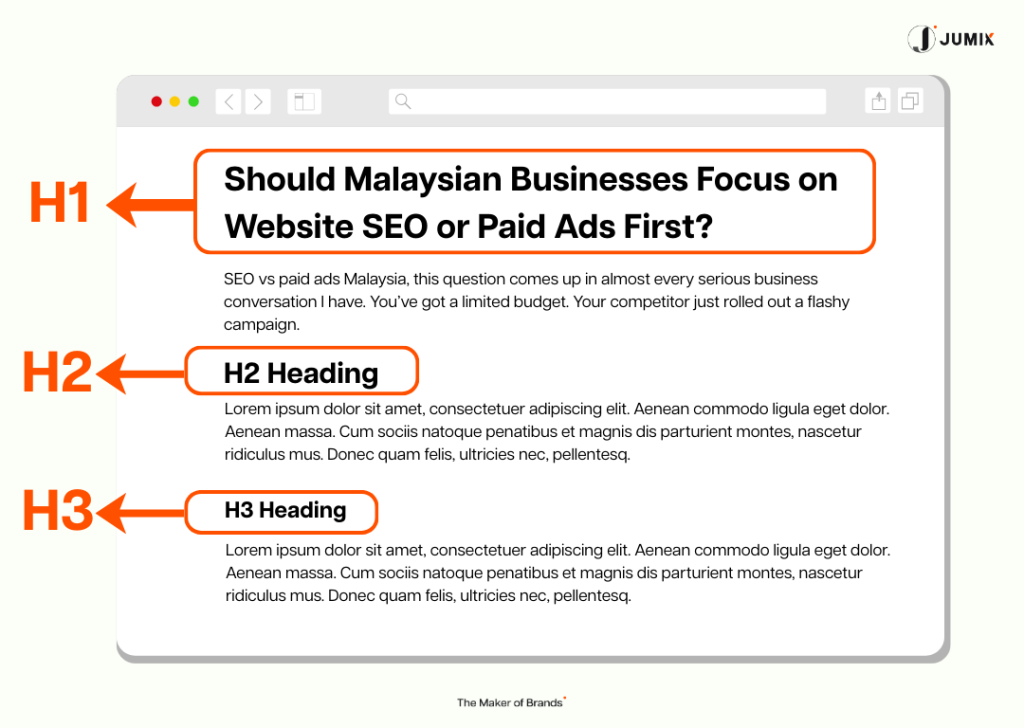
AI systems do not skim content. They parse it.
To be selected, your content must follow predictable patterns.
Use clear hierarchical headers
- H1 for the main topic
- H2 for major sections
- H3 for sub-points
- Descriptive, natural language (no keyword stuffing)
Write in defined sections
- One idea per section
- Clear topic sentence
- Short paragraphs (2–3 lines max)
- Logical flow from question → answer → explanation
Answer questions directly
- Give the answer first
- Explain why
- Add supporting detail
- End with a practical takeaway
Think of how you’d explain something to a friend over kopi.
You wouldn’t ramble for 10 minutes before answering the question.
AI thinks the same way.
That mindset alone improves AI search optimisation Malaysia performance massively.
Implement Schema Markup and FAQs
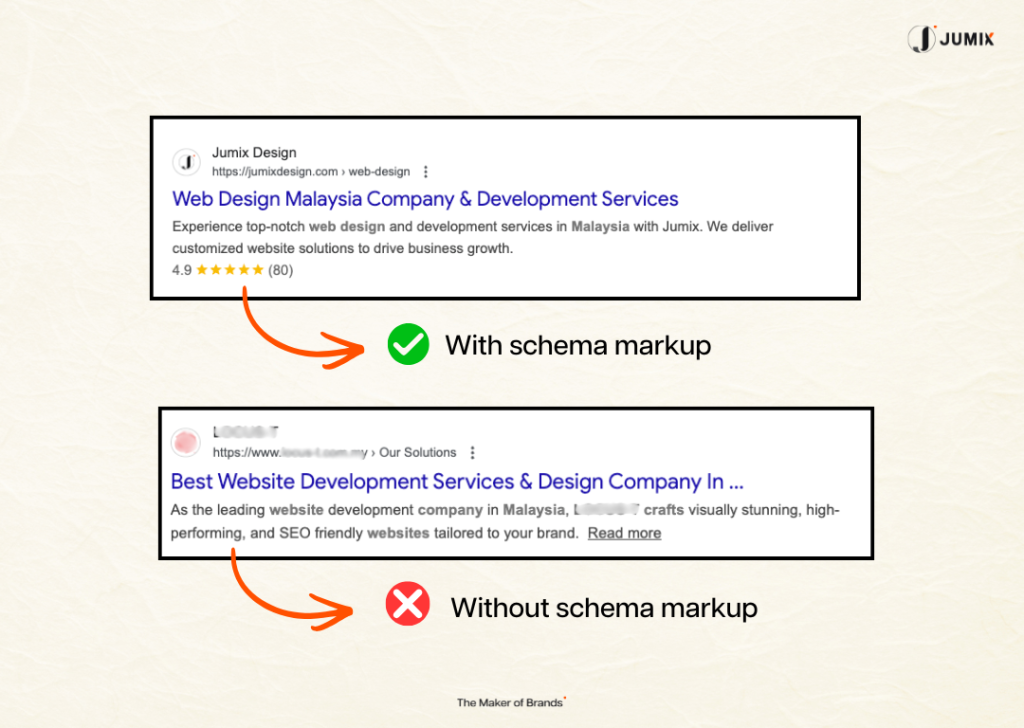
Schema markup translates your content into machine-readable meaning.
It tells AI:
- What type of content this is
- Which parts are answers
- What is factual vs contextual
Priority schema types:
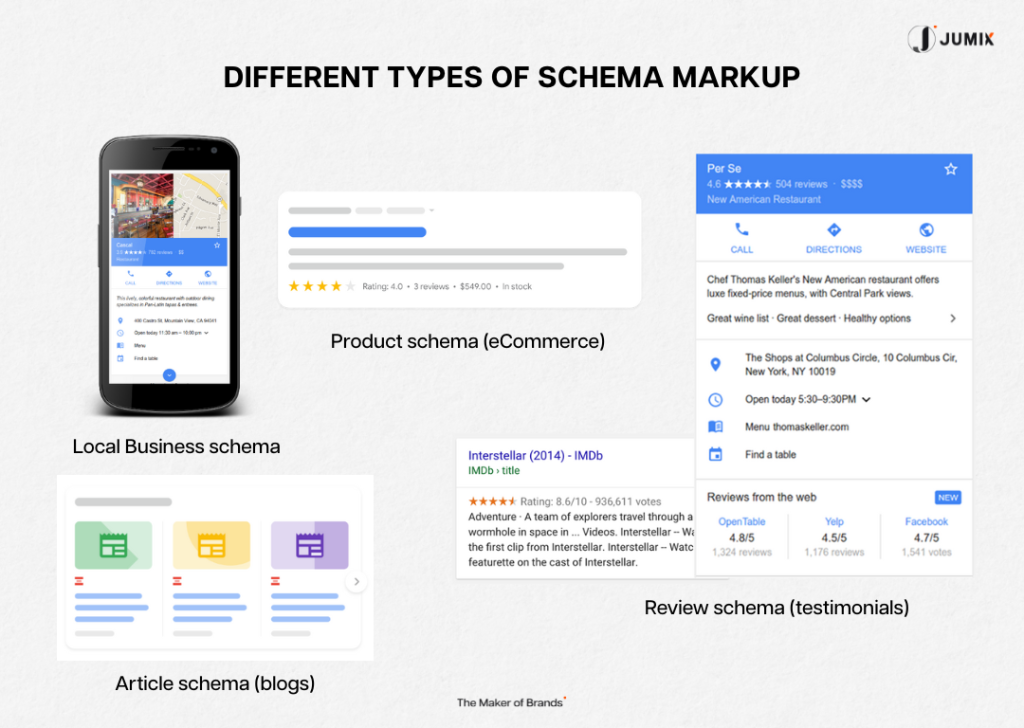
- FAQ schema
- Local Business schema
- Product schema (eCommerce)
- Article schema (blogs)
- Review schema (testimonials)
For Malaysian businesses serious about AI search optimisation Malaysia, schema is no longer optional.
Why FAQ schema matters most
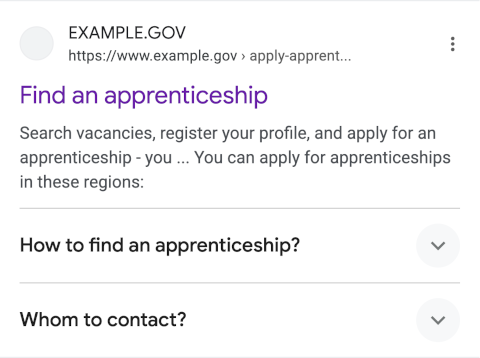
FAQ schema provides AI with ready-made answers in perfect extraction format.
How to structure effective FAQ content:
- Use real questions (Google “People Also Ask”)
- 40 to 60 words per answer
- Conversational, human language
- Repeat the question naturally in the answer
- Link deeper for complex topics
Build Authority Signals AI Systems Trust
AI does not feature content it cannot trust.
Authority signals AI systems rely on:
- Clear author identity and expertise
- Credible citations and references
- Consistent publishing in one niche
- Mentions or links from reputable sites
- Real business details (address, phone, contact)
- Fresh, actively updated content
How to Show Authority Practically
- Add author bios with credentials
- Link to reliable sources
- Share real case studies
- Show certifications and accreditations
- Display customer testimonials
- Maintain a focused industry blog
This isn’t about looking authoritative.
AI is getting very good at spotting fluff.
For AI search optimisation Malaysia, real expertise beats fancy copy every time.
Optimize for Local AI Search Signals
AI answers are location-aware.
A search in Penang produces different results from a search in Johor.
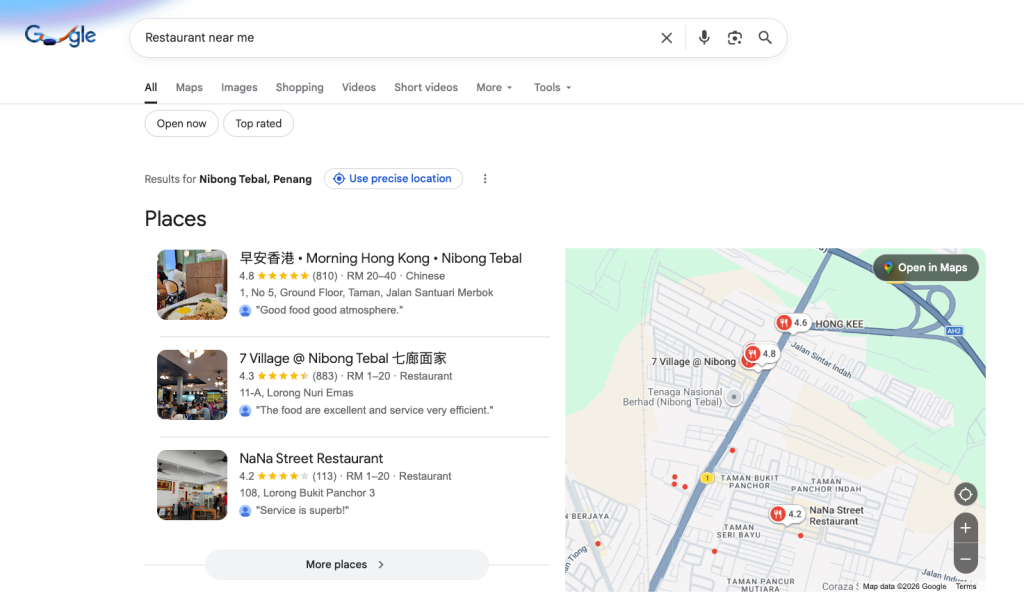
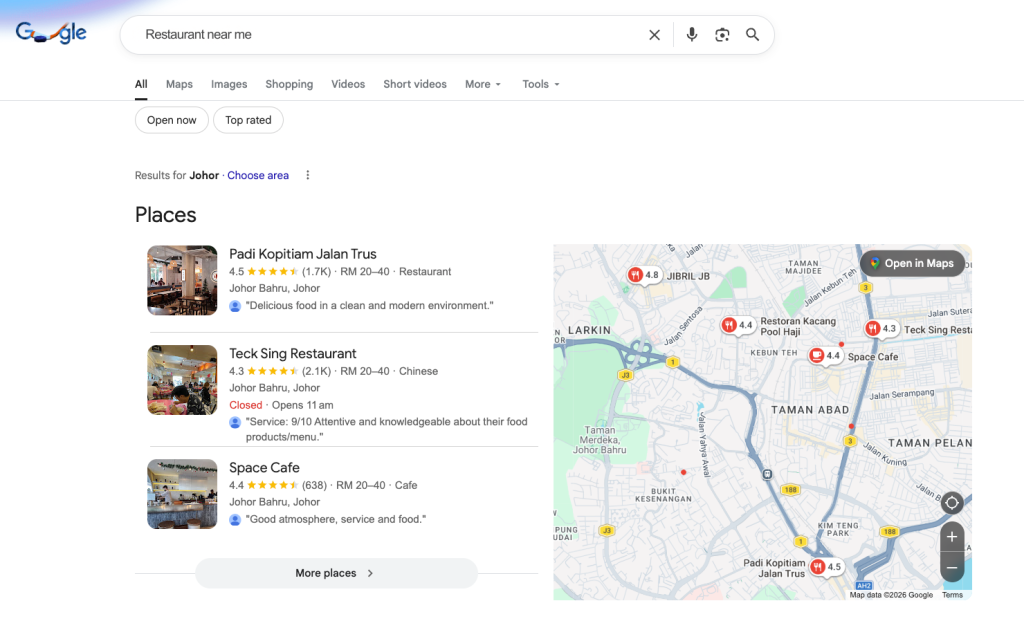
Google Business Profile optimisation:
- Fill every field (no shortcuts)
- Upload fresh photos weekly
- Respond to all reviews
- Post updates and offers
- Choose accurate categories
Local content signals:
- Mention real Malaysian locations
- Reference landmarks and service areas
- Use Malaysian spelling and terms
- Local phone numbers and addresses
- Location-specific service pages
Local structured data:
- Local Business schema
- Service area markup
- Proper Malaysian address format
- Accurate business hours
- Phone number with +60
Instead of:
“We provide air conditioning services.”
Use:
“We provide air conditioning services across Klang Valley, including Petaling Jaya, Subang Jaya, and Shah Alam.”
Specificity improves AI confidence.
If you serve Malaysian customers locally, this part is critical.
Local signals tell AI where you belong.
Learn more about local SEO for Malaysian businesses.
Take Action: Your Next Steps
You already know what to do.
Now it’s about execution.
AI search optimisation Malaysia is not a one-time setup, it’s an ongoing shift in how content is built.
Immediate action steps:
- Audit your content structure
- Add FAQ sections to key pages
- Implement basic schema
- Optimise your Google Business Profile
- Start building visible authority
The businesses winning AI search right now aren’t always the biggest.
They’re the ones who adapted early.
Start with one page.
Fix it properly.
Then scale.
Implementation Tips for Malaysian Businesses
Keep it manageable.
Week 1: Foundation
- Install schema plugin (Rank Math / Schema Pro)
- Identify top 10 pages
- List questions each page answers
- Review Google Business Profile
Week 2: Content restructuring
- Answer the main question immediately
- Shorten paragraphs
- Add clear H2 / H3 headers
- Remove unnecessary fluff
Week 3: Schema
- Add FAQ schema
- Implement Local Business schema
- Add Article schema
- Test using Rich Results Test
Week 4: Authority
- Add author bios
- Link credible sources
- Improve About page
- Document expertise and results
This isn’t about perfection.
It’s about momentum.
Final Word
AI search is already shaping how Malaysian customers discover businesses.
Winners are not the biggest brands.
They are the clearest, most structured, and most trusted sources.
AI search optimisation is not complex.
It rewards:
- Clarity
- Structure
- Authority
- Genuine usefulness
If you want your website to stay visible in this new AI-driven search landscape, Jumix helps Malaysian businesses implement SEO and AI search optimisation properly, from structure and schema to real, measurable results.
Frequently Asked Questions
What is AI search optimisation and why does it matter for Malaysian businesses?
AI search optimisation structures content so AI systems like Google AI Overviews, ChatGPT, and Perplexity can understand, trust, and feature it. It matters in Malaysia because users increasingly get answers without clicking websites, reducing visibility for unoptimised businesses.
Do I need to stop doing SEO if I focus on AI search optimisation?
No. Traditional SEO still provides trust signals for AI systems. AI search optimisation is an additional layer that improves how machines interpret and extract your content.
What is schema markup and do I really need it?
Schema markup helps AI understand your content’s meaning and structure. It is essential for AI search optimisation because it removes ambiguity and increases selection likelihood.
How long does it take to see results?
Most Malaysian businesses see AI visibility within 4 to 8 weeks, depending on implementation quality and competition.
What should I focus on first?
Start with FAQ sections plus FAQ schema on your most important pages. This is the fastest way to appear in AI-generated answers.






Comments are closed for this article!