


Web design trends in Malaysia for 2026 prioritise mobile‑dominant UX, high visual clarity, early trust signals, and culturally familiar layouts. Websites that copy Western minimalist or abstract styles often don’t work well in Malaysia. Malaysian users respond better when a site shows its value within 3 seconds, keeps things clear, and is easy to use on mobile.
Web design trends Malaysia are shifting fast, but not in ways you might expect.
And this time, it’s not about looking “modern”.
It’s about building websites that actually work for Malaysian users, behaviors, and culture.
I’m seeing the same problem everywhere.
Business owners redesign their website every few years.
They follow global trends.
They copy what US or Korean brands are doing.
They chase trends they see on Dribbble or Behance.
But conversion stays flat.
Result?
Conversion stays flat. Bounce rates stay high. Leads barely move.
Why?
Because most global web design trends were never built for Malaysia.
Different users. Different behaviors. Different cultural expectations. Different mobile usage patterns.
So here’s my take on what actually works for web design trends Malaysia in 2026, based on real projects, analytics, and user behavior.
No fluff. No outdated trends.
Just strategies that convert.
Global vs Malaysian Trends: What’s Really Happening
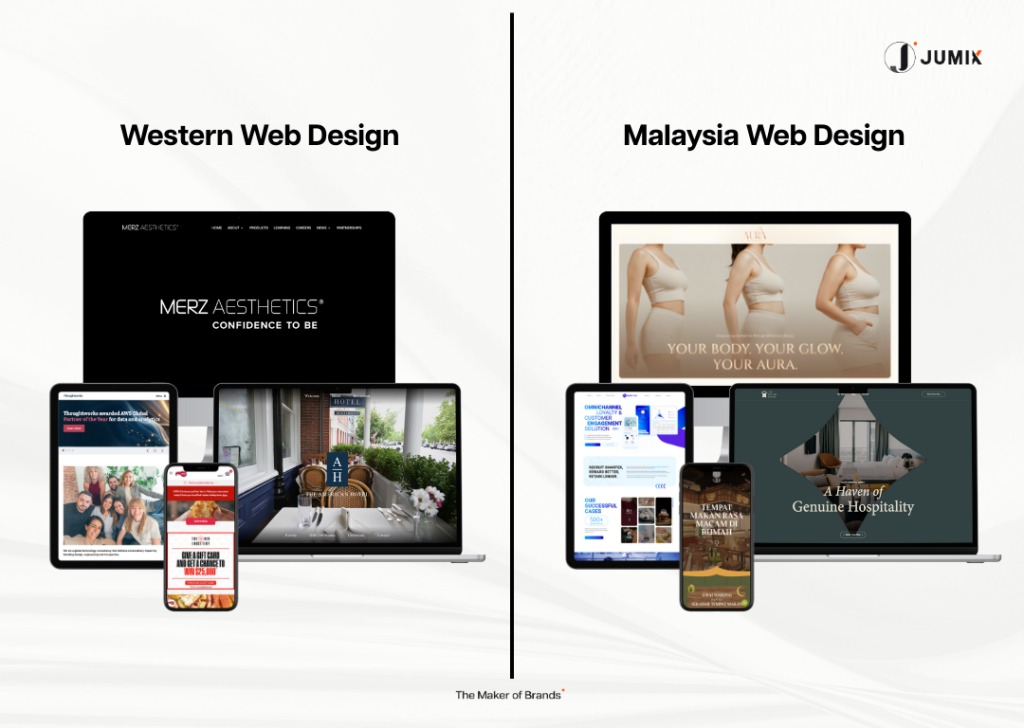
Most global web design trend articles are written for Western users. Malaysia behaves differently.
Global Assumptions (Often Misapplied)
- High tolerance for abstract messaging
- Low reliance on trust cues
Malaysian User Reality (Observed Across Local Projects)
- Short attention span and fast decision cycles
- High sensitivity to credibility and familiarity
- Preference for clarity over creativity
Key takeaway: Websites designed for Western users often look modern in Malaysia but convert poorly.
What Web Design Trends in Malaysia Must Do in 2026
Effective Malaysian websites consistently achieve five things:
- Communicate value within 3 seconds
- Balance minimalism with explicit clarity
- Reflect cultural familiarity in layout and visuals
- Reduce thinking and increase confidence
Key takeaway: In Malaysia, usability and trust outperform visual novelty.
Malaysian Colour Palettes & Cultural Insights
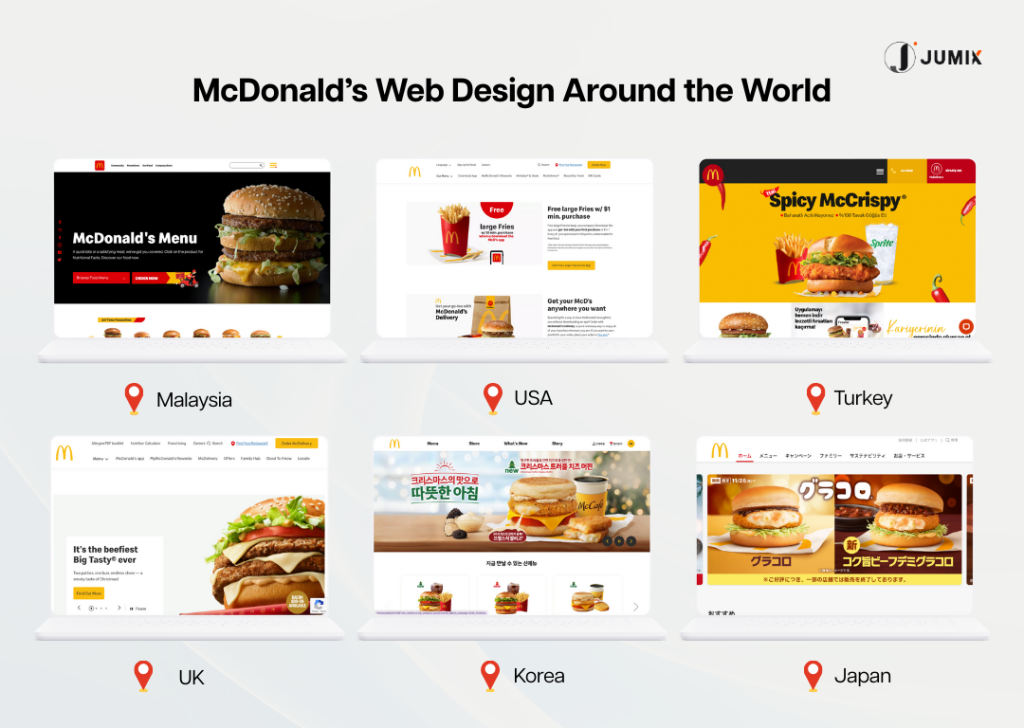
Colour performance in Malaysia is driven by environment and psychology, not global aesthetics.
Why Global Colour Trends Fail Locally
| Western assumption | Malaysian reality |
| Soft colours = premium | Too soft = unclear, unreadable on mobile |
| Low contrast = elegant | Low contrast = hard to skim |
| Light, pale tones = modern | Too pale = feels “unfinished” or cheap |
Malaysian websites need to survive:
- Bright daylight. Malaysia’s scorching sun makes screens hard to read.
- Cheap/low-quality phone screens. Many devices have small, low-res displays.
- Fast scrolling. Malaysian mobile users have short attention spans.
- Split attention. Malaysians often browse while multitasking.
Colour Principles That Convert Better in Malaysia
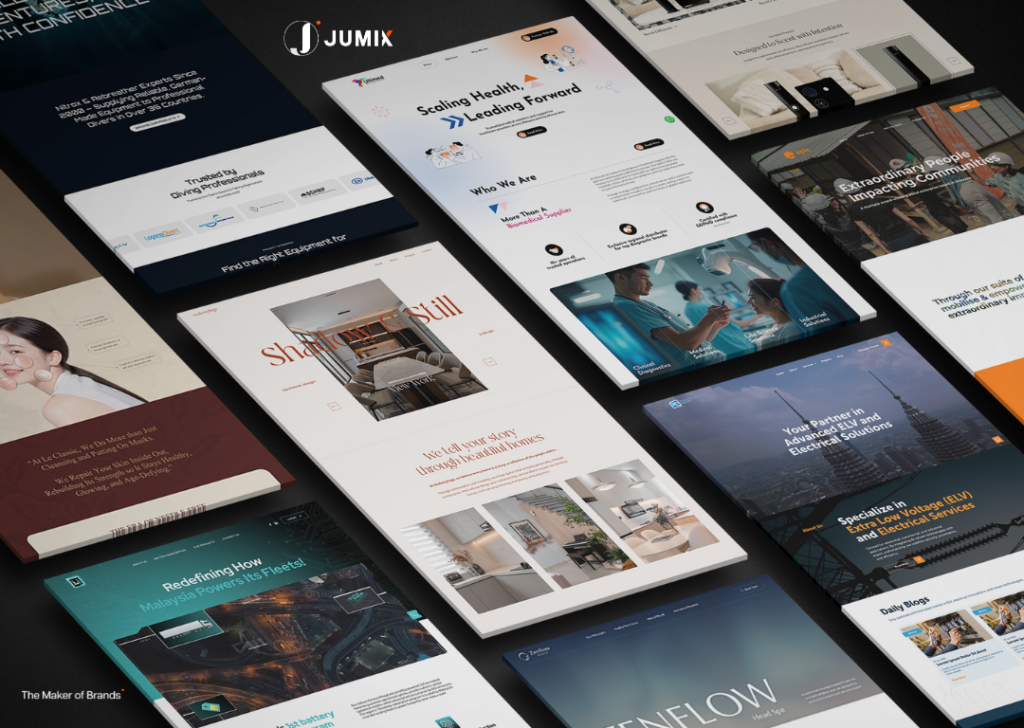
1. High-contrast clarity beats subtle elegance
- Dark text on light backgrounds, still undefeated.
- CTA buttons in strong contrasting tones, make them obvious.
- Defined sections instead of blended gradients, guides the eye.
2. Warm neutrals outperform cold minimalism
Cold grey + pure white looks “techy”, but often feels distant in Malaysia.
Better engagement with:
- Warm greys
- Off-whites
- Earth-adjacent tones
- Soft beige or cream backgrounds
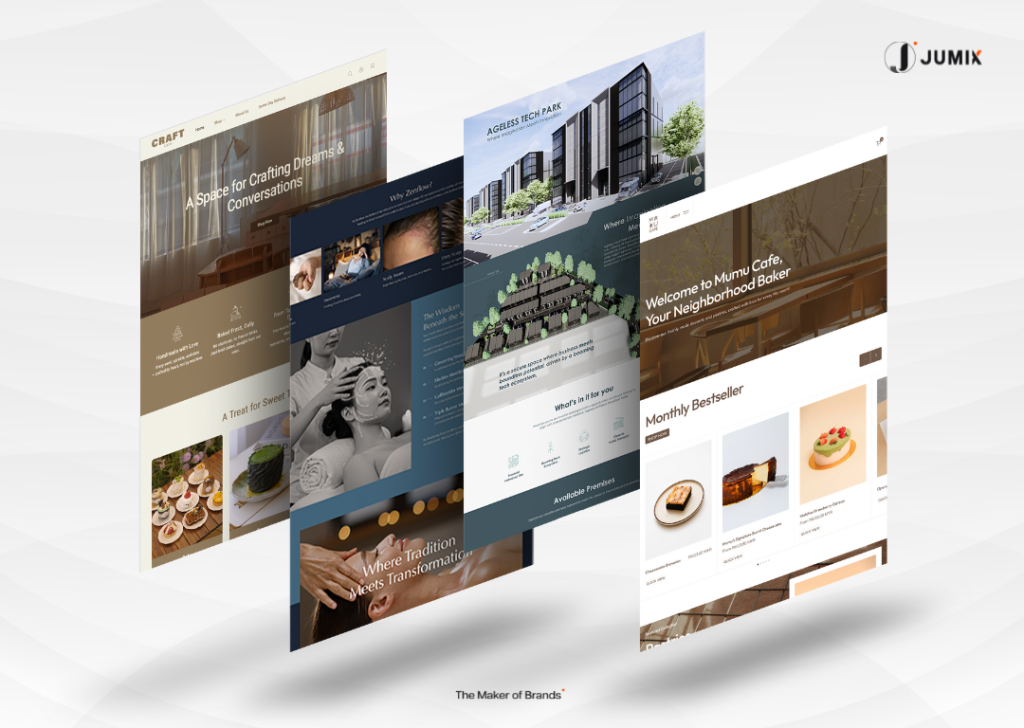
Industries seeing the strongest uplift:
- F&B
- Wellness
- Education
- Local service brands
Key takeaway: Minimal does not mean low contrast. Clarity always wins.
Cultural influence that actually impacts design
Malaysia is a high-context culture:
- People read between lines
- Visual cues matter more than copy length
- Familiar patterns create comfort
That’s why:
- Overly abstract layouts confuse users
- Familiar structures convert better
- Clear hierarchy feels trustworthy
In web design trends Malaysia, culture isn’t decoration. It’s functionality.
UX Changes That Matter in Malaysia (Not “Fancy” UX)
More animations ≠ better UX.
More interactions ≠ more engagement.
In Malaysia, UX success comes down to reducing effort.
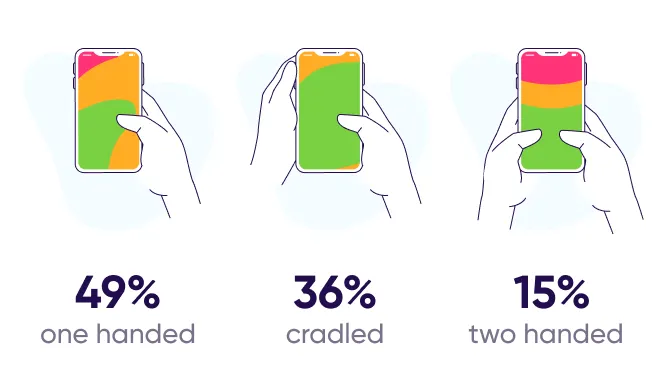
Mobile-First Design Is Now the Standard for Malaysian Websites
High‑performing Malaysian sites are designed for:
- One‑hand, thumb‑zone usage
- Scroll‑first navigation
- Large, confident tap targets
UX Patterns That Convert Best
1. Clear above‑the‑fold answers
Users immediately ask:
- What is this?
- Is this for me?
- Can I trust it?
Effective hero sections contain:
- One clear headline
- One supporting line
- One visible CTA
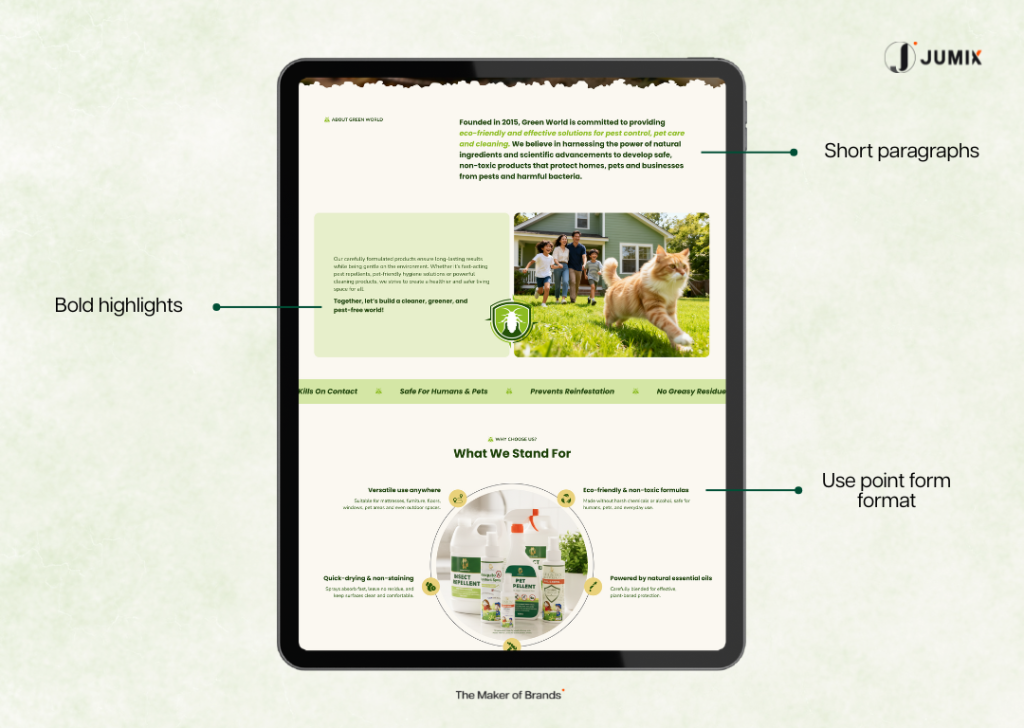
2. Chunked content over long storytelling
Short paragraphs, bullets, bold highlights, and clear sub‑headers outperform narrative layouts.
3. Visible trust signals early
Logos, testimonials, certifications, and real photos should appear above the fold.
Key takeaway: Trust is binary in Malaysia, either present immediately or lost.
Minimalism in 2026 (What It Actually Means Now)
Old Minimalism (Underperforms)
- Excessive white space
- Vague messaging
- Hidden navigation
- Subtle CTAs
New Minimalism for Malaysia
Minimalism now means:
- Fewer user decisions
- Clear visual hierarchy
- Intentional emphasis
- Faster comprehension
Practical application:
- One primary action per page
- One dominant visual
- One clear message per section
Key takeaway: Minimalism in Malaysia is about focus, not emptiness.
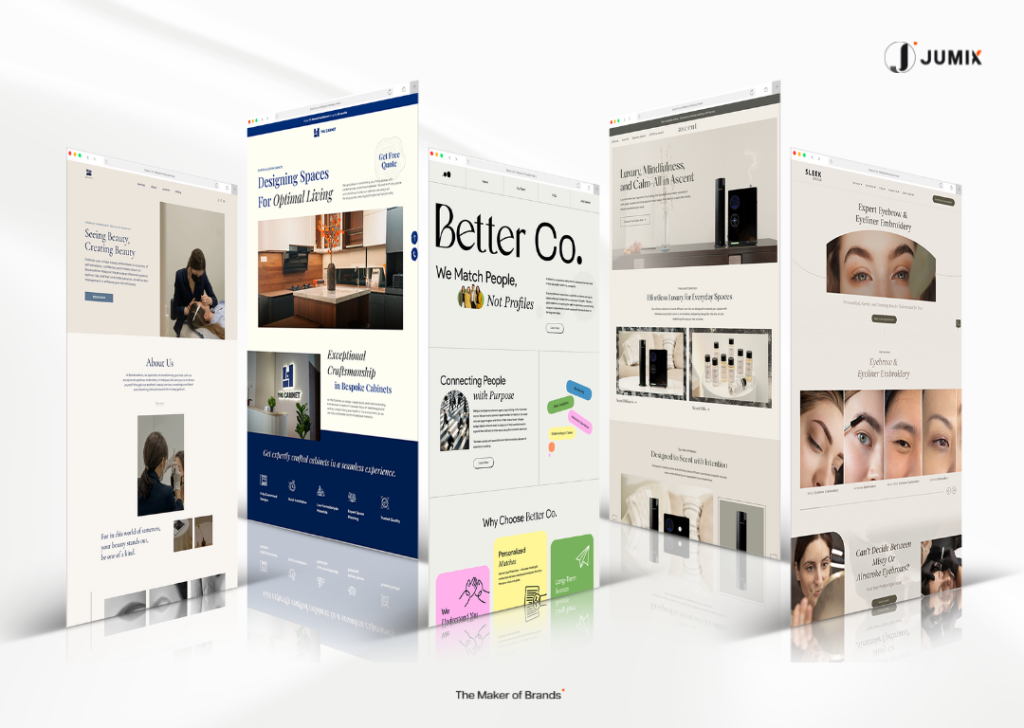
AI Trends in Web Design to Expect in Malaysia
AI in web design is no longer about writing blog posts or adding chatbots just to look “advanced”.
According to ongoing analysis shared by Elementor, the real impact of AI in 2026 is happening inside UX decisions and design workflows, not surface-level gimmicks.
Here’s what actually matters for web design trends Malaysia.
1. Personalised content blocks
- Hero messages change based on traffic source
- Content adapts for new vs returning users
- Industry-specific sections load dynamically
This improves relevance without redesigning everything.
2. Faster iteration, not lazier design
AI helps with:
- A/B testing layout variations
- Heatmap interpretation
- UX pattern prediction
But strategy still matters.
Key takeaway: AI amplifies strategy, it does not replace it.
3. Chat-style assistance replacing contact pages
In Malaysia, users prefer:
- Fast answers
- Low commitment
- Informal interaction
Chat-style UI fits local behavior better than long forms.
Local Cultural Influence on Content Layout
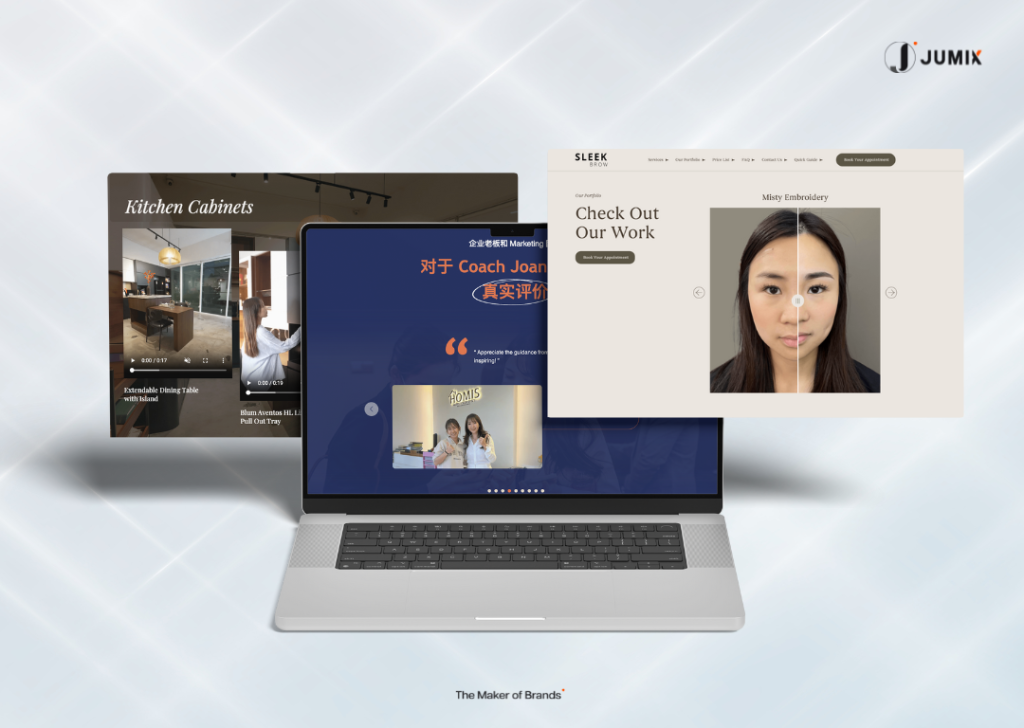
Design isn’t separate from content. Layout drives decisions.
Content Order That Performs Better
- Benefits before brand story
- Results before process
- Proof before promise
What Converts Locally
- Clear benefits first
- Practical outcomes second
- Social proof immediately
- Real examples over abstract narratives
Key takeaway: Cultural alignment is a functional design decision, not decoration.
Ready to Transform Your Malaysian Web Presence?
Knowing trends is one thing; implementing them is another.
Here’s how to do it practically:
- Audit your current website. Identify what works, what doesn’t, and what’s outdated.
- Prioritize mobile UX first. Navigation, speed, CTA placement.
- Integrate culturally relevant visuals and colors. Test colors and imagery with real users.
- Leverage AI smartly. For content generation, personalization, and layout suggestions.
- Iterate constantly. Websites are never done; small tweaks compound into big results.
- Measure results. Use KPIs like bounce rate, average session duration, and conversion rate to track improvements.
Get these right, and engagement and conversions naturally follow.
Curious to see how we bring these trends to life?
Check out our latest web design projects at Jumix and see the difference yourself.
FAQs About Web Design Trends Malaysia
How do local cultural festivals influence web design in Malaysia?
Seasonal visuals aligned with Hari Raya, Chinese New Year, and Deepavali consistently increase engagement and relevance.
Are micro-interactions important for Malaysian websites?
Yes, subtle visual cues improve guidance and confidence when used sparingly.
Should I copy global trends exactly?
No. Global best practices must be adapted to Malaysian behaviour and culture.
How often should I refresh my website design?
Major redesigns every 2 to 3 years, with annual UX and performance optimisation. Understanding what website maintenance involves and why it’s important helps keep your site performing between redesigns.
Are dark mode and minimalism suitable for all industries?
Mostly yes, but consider audience preference. For luxury or creative brands, minimalism works well. For playful or youth brands, bolder colors may resonate better.
Can AI replace a designer?
No. AI accelerates execution, but cultural insight and strategy remain human‑led.
Learn what AI can’t steal from designers to understand this better.






Comments are closed for this article!