






If you’re searching for a website development checklist Malaysia businesses can actually follow, you’re already one step ahead.
Many Malaysian businesses launch websites without a clear plan:
- Choose a template
- Add a few pages
- Publish
Then months later…
- No enquiries
- No Google ranking
- Traffic but no leads
The website exists, but it’s not working.
This happens more often than you think.
And it’s not because the business is bad.
It’s because critical steps were skipped.
A proper website development checklist helps avoid this by ensuring your website is built for:
- Lead generation
- SEO visibility
- Conversion optimization
- Long-term growth
Quick Website Development Checklist Malaysia (Summary)
Before Development
During Development
After Launch
This checklist ensures your website is strategic, not just visual.
Why Most Websites Fail Before Launch
Websites don’t fail because of bad luck.
They fail because of missing fundamentals.
Before diving into the checklist, it’s worth understanding the most common website mistakes Malaysian businesses make, patterns we’ve observed across hundreds of projects.
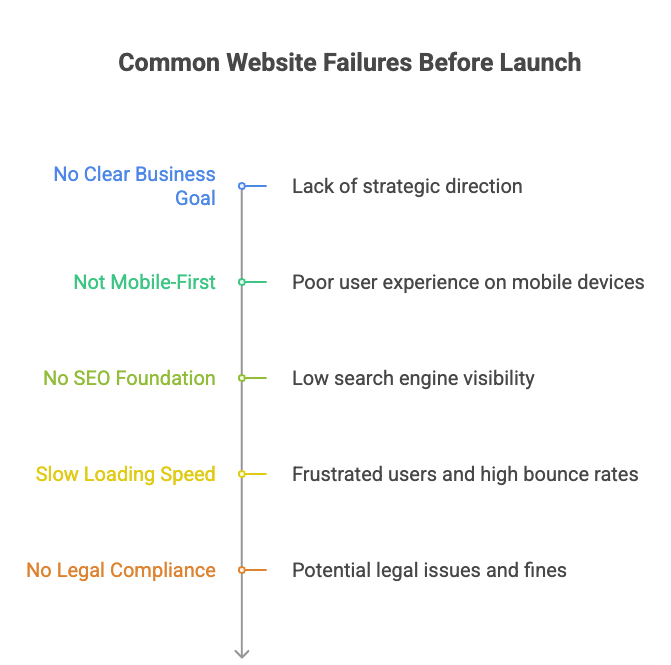
Here’s what usually goes wrong:
- No Clear Business Goal
The business owner wants a website… but never defines what the website should actually do.
Is it for leads?
Sales?
Brand positioning?
Without clarity, the website becomes a digital brochure, not a business asset.
- Not Mobile-First
More than 99.5% of Malaysians browse using mobile devices (Department of Statistics Malaysia).
Yet many websites are still designed primarily for desktop.
If you want to understand the full picture, our mobile-first web design guide for Malaysia 2026 walks through exactly what’s at stake
Common mobile issues:
- Text too small
- Buttons too tiny
- Layout breaks on mobile
- Users leave within seconds
Mobile experience directly affects:
- SEO rankings
- Conversion rates
- Bounce rate
- No SEO Foundation
A website without SEO is invisible.
Common mistakes:
- No keyword research
- No meta tags
- Poor URL structure
Without SEO, your website won’t rank on Google Malaysia.
This is one of the biggest reasons businesses feel their website “doesn’t work”.
- Slow Loading Speed
If your website takes more than 3 seconds to load, users leave (Google).
Speed affects:
- User experience
- Google rankings
- Conversion rates
Speed optimization should be part of every website development checklist Malaysia strategy.
- No Legal Compliance
Many Malaysian businesses overlook this.
Until something goes wrong.
- No privacy policy
- No consent checkbox
- No PDPA compliance
- No company registration number display
That’s a risk you don’t want.
We’ve covered this in depth in our guide on business website legal requirements every Malaysian owner must follow.
A proper website development checklist Malaysia businesses follow prevents all of this.
It keeps:
- Your strategy aligned
- Your team organized
- Your launch smooth
And most importantly, it helps your website actually generate results.
Section 1: Business & Strategy Preparation
Before any design or development starts, clarity comes first.
Define Your Business Goals
Start by asking:
- Do you want leads?
- Sell products online?
- Build brand credibility?
- Rank on Google?
- Reduce customer enquiries?
Write it down.
Your business goals influence:
- Website structure
- Design direction
- Content strategy
- Conversion flow
Without this, you’re building blindly.
Identify Your Target Audience (Malaysia Context)
Malaysia is diverse. Your audience matters even more here.
Ask yourself:
- Are you targeting Malay, Chinese, Indian, or expat audiences?
- Are your customers in KL, Penang, Johor Bahru, or nationwide?
- Do they prefer English, Bahasa Malaysia, or Mandarin?
- Mobile-first users or desktop users?
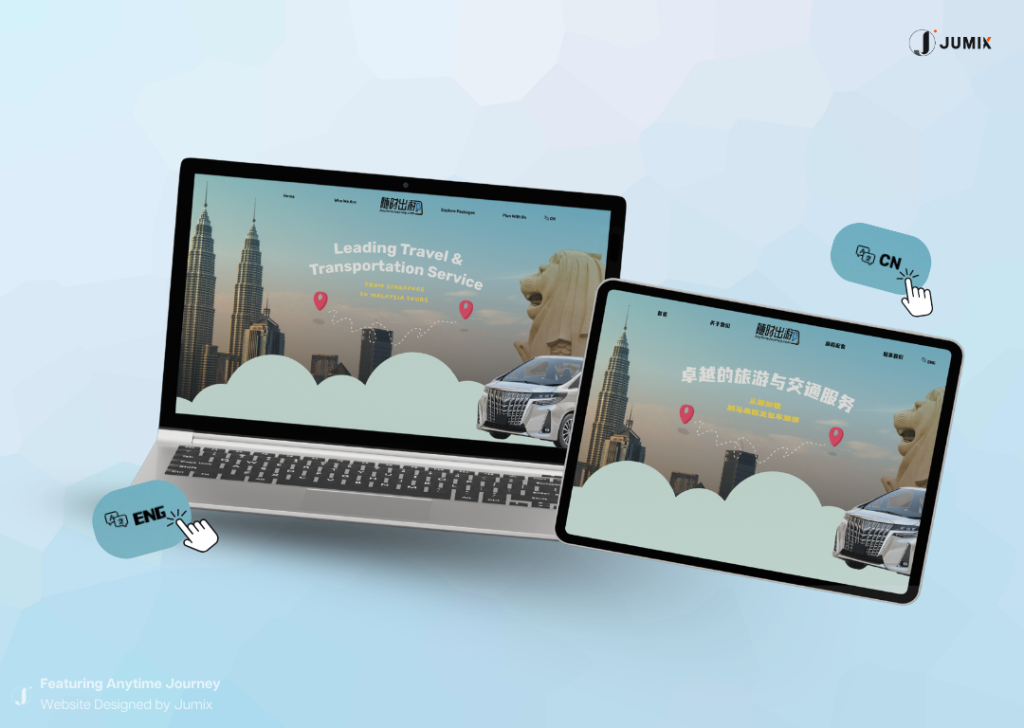
These decisions affect:
- Language selection
- Visual design
- CTA placement
- Payment options
- Content tone
This is why website development checklist Malaysia planning must consider local audience behaviour.
Define Website Type
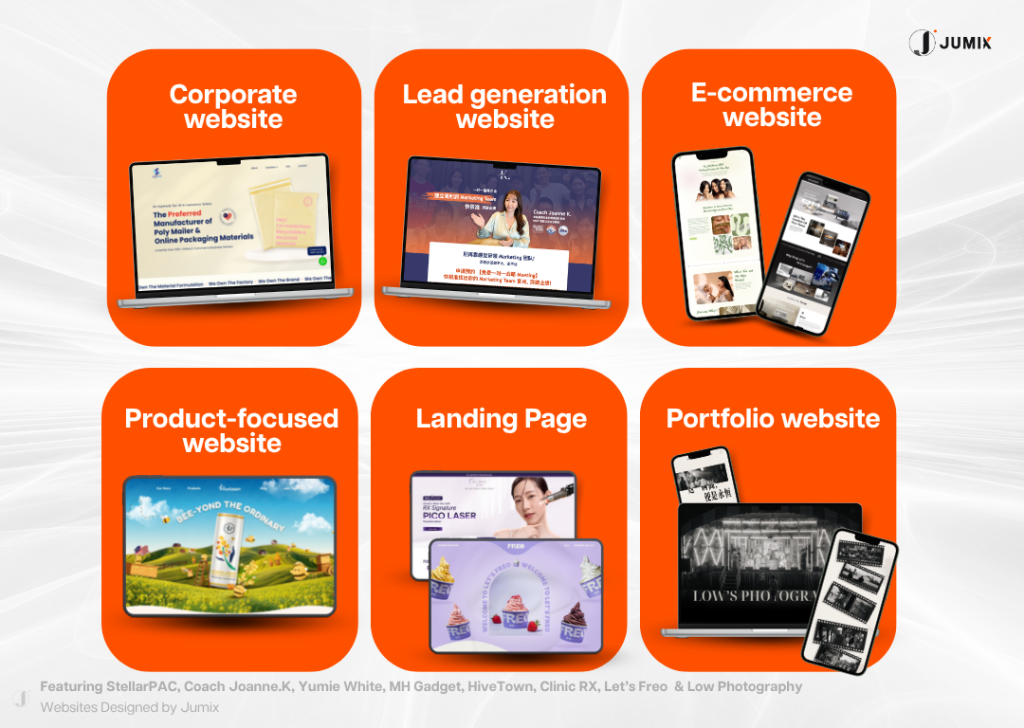
Common website types:
- Corporate website
- Lead generation website
- E-commerce website
- Portfolio website
- Landing page website
Not all websites are built the same.
Each requires different:
- Layout
- Features
- Content strategy
- KPIs
Instead of saying:
“I want a website”
Try:
“I want a website that generates 50 qualified leads per month from Google”
That’s when strategy becomes clear.
Section 2: Branding & Content Preparation
This is where many businesses rush… and regret later.
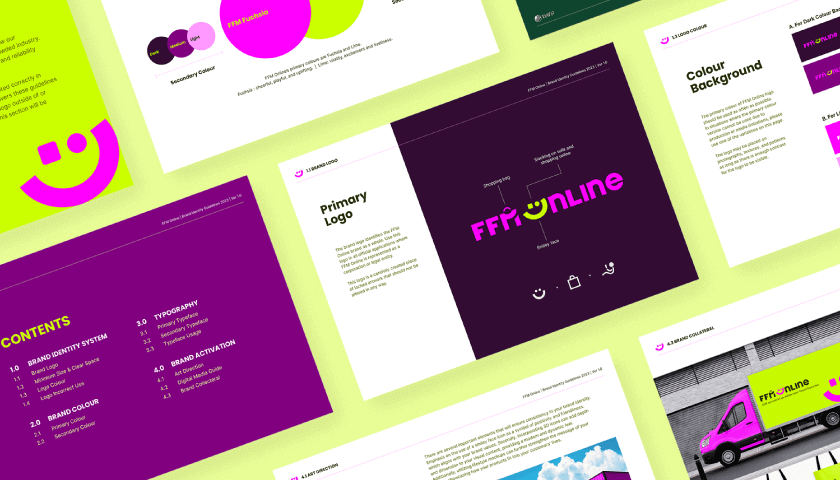
Understanding the relationship between branding and web design, and why Malaysian companies need both, is the foundation of this phase.
Logo & Brand Guidelines
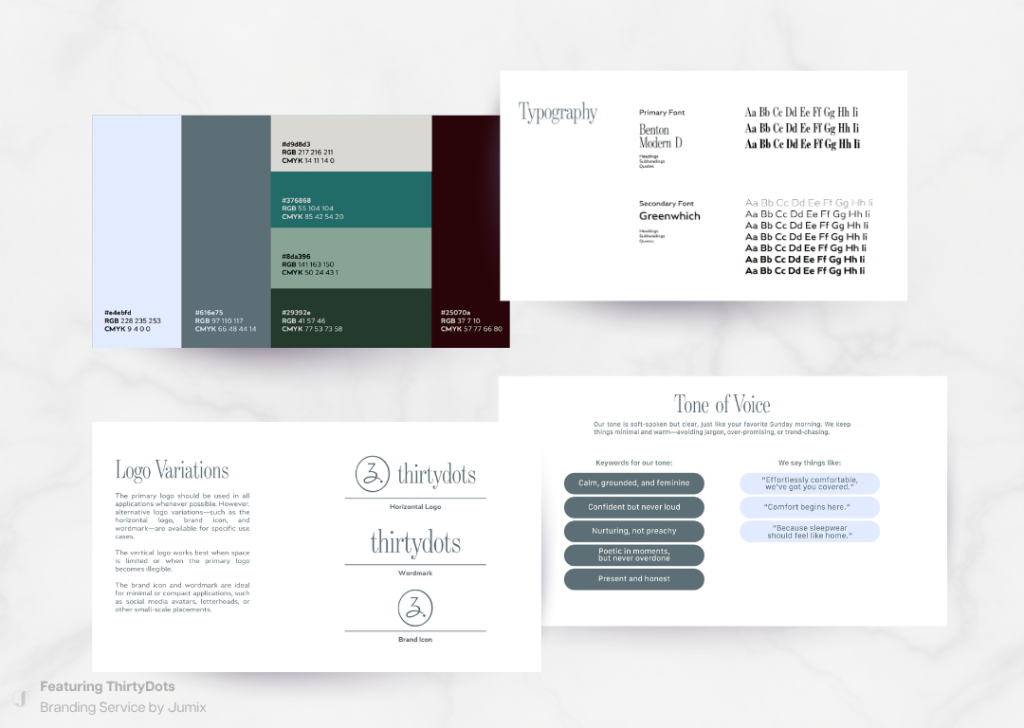
Before development starts, prepare:
- High-resolution logo
- Brand colour codes
- Typography choices
- Brand voice guidelines
Without this, your website looks inconsistent.
And inconsistency reduces trust.
Copywriting
Clear copy converts better.
Bad example:
“We provide comprehensive integrated digital solutions.”
Better example:
“We help Malaysian SMEs get more customers online, without wasting ad budget.”
Write for your audience, not for yourself.
This is especially important in website development checklist Malaysia planning.
Visual Assets
Prepare before development:
- Real product photos
- Team photos
- Office / store photos
- Icons and illustrations
Avoid overusing stock photos.
Authenticity builds credibility.
Section 3: Design & UX Checklist
Understanding what makes a high-converting website for Malaysian customers is essential reading before this phase.
Mobile-First Design
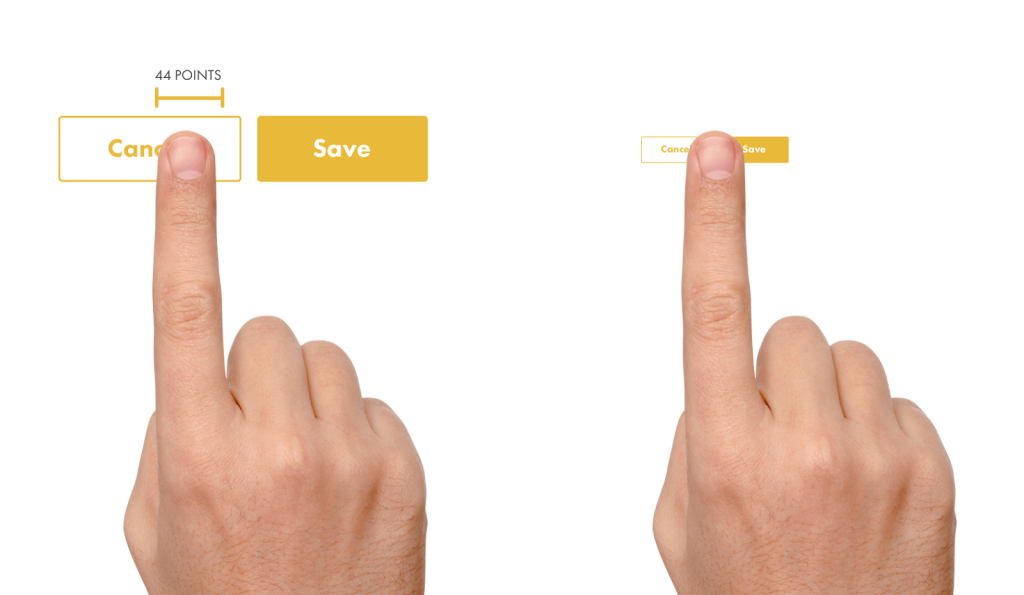
Your website must:
- Be readable without zoom
- Have thumb-friendly buttons
- Images responsive
- Navigation smooth
- Load fast on mobile
Mobile experience directly affects conversion.
Clear Navigation
Best practices:
- 5 to 7 main menu items
- Important pages within one click
- Use clear labels
- Add search bar if needed
Confusing navigation kills engagement.
Call-to-Action Placement
Your CTA is the most important element.
Checklist:
- CTA above the fold
- Repeat CTA on long pages
- Contrasting colours
- Clear copy
Example:
“Get Free Consultation”
performs better than
“Click Here”
Section 4: Technical Development Checklist
Content Management System (CMS) Platform Setup
Choose the right platform:
| Platform | Best For | Notes |
| WordPress | Most Malaysian SMEs | Flexible, SEO-friendly, large ecosystem |
| Shopify | E-commerce | Built-in payment gateways, inventory management |
| Webflow | Design-focused brands | Excellent visual control |
| Custom Build | Complex systems | Higher cost, maximum flexibility |
Our guide to the best website platform for Malaysian businesses covers this in detail.
Malaysian Hosting Options
Local hosting improves performance:
Better speed improves SEO.
If you’re evaluating options, understanding the difference between self-hosting vs web hosting in Malaysia will help you make the right call.
Page Speed Optimization
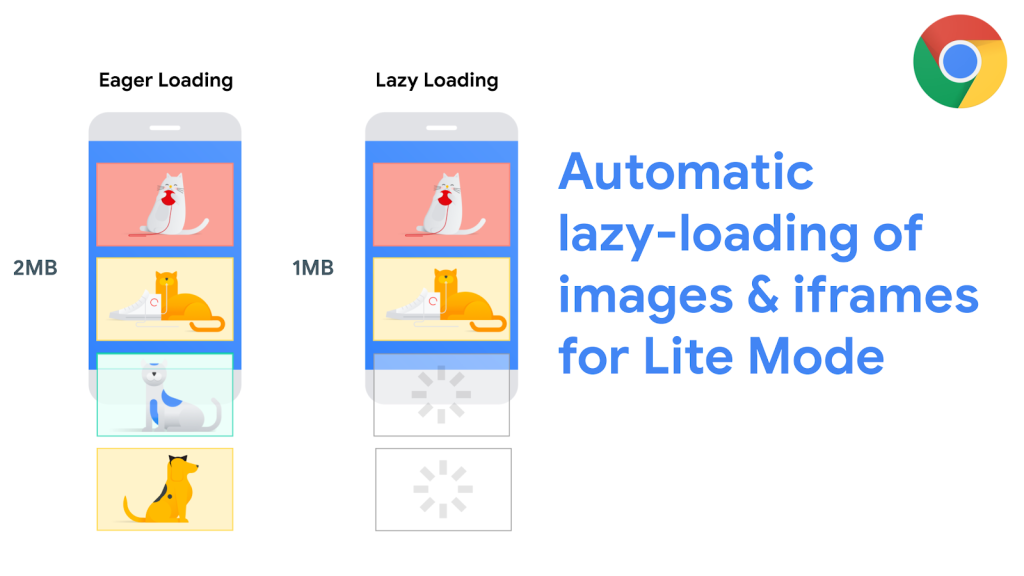
Checklist:
- Compress images
- Use Content Delivery Network (CDN)
- Enable caching
- Minify CSS & JavaScript
- Lazy load images
Test with:
Speed affects SEO and conversions.
Security Setup
Must-have:
- SSL certificate
- Firewall
- Backups
- Strong passwords
- Two-factor authentication
Section 5: SEO Checklist
This is where your website development checklist Malaysia efforts start paying off.
Keyword Targeting
Research keywords Malaysians search:
Tools:
Target:
- Broad keywords
- Long-tail keywords
- Location-based keywords
Example:
- website development KL
- web design Malaysia
- website development checklist Malaysia
Meta Tags
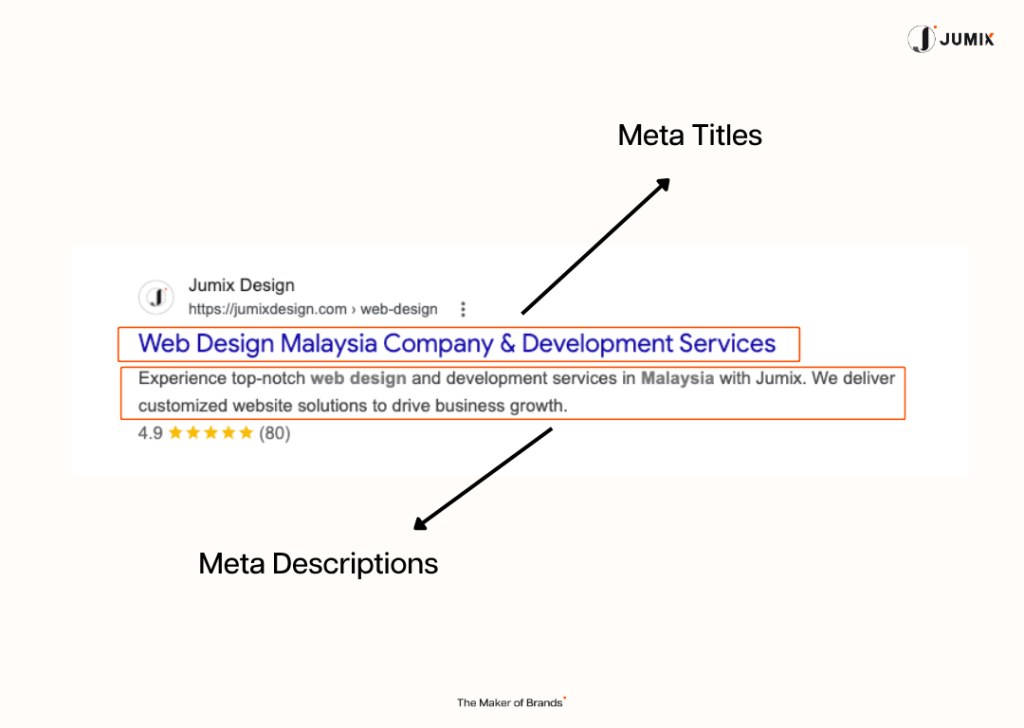
Each page needs:
- Unique title
- Meta description
- Keyword included naturally
SEO fundamentals matter.
URL Structure
Clean URLs:
✅ yoursite.com/website-development-checklist-malaysia
❌ yoursite.com/page?id=123
Short, readable, SEO-friendly.
Internal Linking
Best practices:
- Link related content
- Use descriptive anchor text
- Create content hubs
- Link important pages
This improves SEO and UX.
Section 6: Legal & Compliance (Malaysia-Specific)
Often skipped. Very important.
The risks of non-compliance have been detailed in our dedicated guide on business website legal requirements every Malaysian owner must follow.
PDPA Compliance
Malaysia’s Personal Data Protection Act applies if you collect:
- Names
- Emails
- Phone numbers
Checklist:
- Consent checkbox
- Data usage disclosure
- Opt-out option
- Secure storage
Privacy Policy
Include:
- Data collected
- Purpose
- Storage method
- Deletion request process
Make it readable.
Terms & Conditions
Especially important for e-commerce:
Include:
- Refund policy
- Delivery terms
- Liability limits
- Dispute handling
Protects both business and customers.
Section 7: Pre-Launch Testing Checklist
Test everything.
Our website launch checklist for Malaysian businesses covers SEO, performance, legal, and conversion elements, worth reviewing alongside this section.
Cross-Device Testing
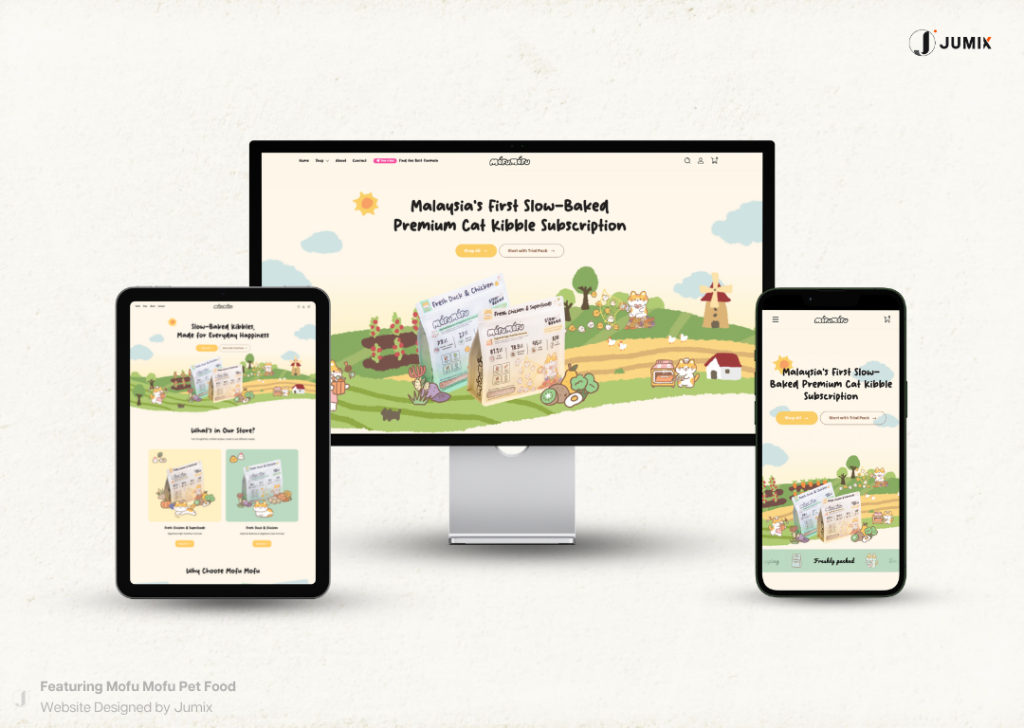
Test:
- iPhone
- Android
- Desktop
- Tablet
Check:
- Layout
- Fonts
- Buttons
- Images
Form Testing
Test:
- All forms
- Email notifications
- Auto responders
- Validation
Forms = leads.
Don’t risk losing them.
Performance Testing
Checklist:
- PageSpeed testing
- Broken links
- 404 page
- CTA buttons
Fix before launch.
Section 8: Post-Launch Checklist
Launch is just the beginning.
Google Analytics Setup
Track:
- Traffic
- Conversions
- User behaviour
Google Search Console
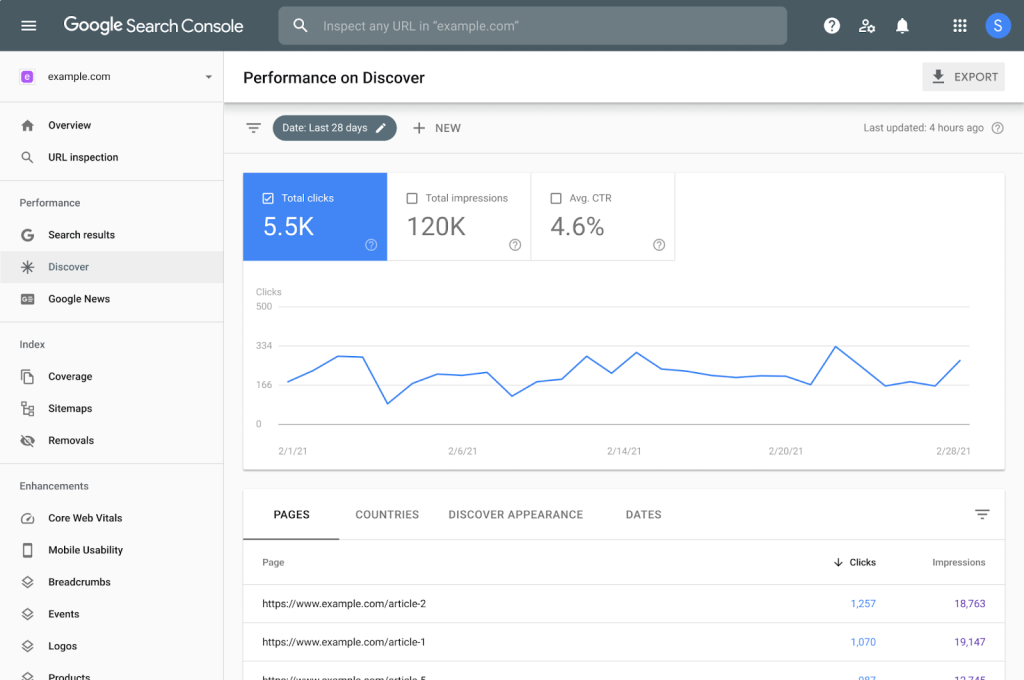
Setup:
- Submit sitemap
- Monitor errors
- Track keywords
SEO starts after launch.
Backup System
Checklist:
- Daily backups
- Offsite storage
- Restore testing
Backups protect your investment.
Conclusion
A high-performing website doesn’t happen by accident.
It happens when you follow a proper website development checklist Malaysia businesses actually need, covering:
- Strategy
- Branding
- Design
- Development
- SEO
- Legal
- Testing
- Post-launch optimization
Use this checklist as your blueprint.
Whether you’re building a new website or revamping an existing one, go through every section carefully.
If you’re deciding between agencies, our evaluation framework for how to choose the best web design company in Malaysia will help you make the right call.
And if budget is a consideration, it’s also worth reading about how Malaysian businesses can get affordable web design without sacrificing brand quality.
Your website is often your first impression.
Make it count.
Need Help Building Your Website?
If you want a website built strategically, not just beautifully, work with a Malaysian web development team that understands:
- Local audience behaviour
- PDPA compliance
- SEO for Google Malaysia
- Conversion-focused design
Visit Jumix today and get a FREE consultation on your website strategy.
FAQs: Website Development Checklist Malaysia
Should I prepare content before hiring a web developer in Malaysia?
Yes. Preparing content early speeds development and reduces cost.
Prepare:
- Company info
- Services
- Images
- FAQs
How many pages should a business website in Malaysia have?
Most Malaysian websites start with:
- Home
- About
- Services
- Contact
- FAQ
- Blog (optional)
Should my website include WhatsApp integration for Malaysian users?
Yes. WhatsApp is widely used in Malaysia and increases enquiries.
Should I include a blog section when building my website?
Yes, if you want long-term traffic growth.
A blog allows you to:
- Target more keywords
- Improve SEO ranking
- Build authority in your industry
- Educate potential customers
Many Malaysian businesses see strong SEO growth by consistently publishing helpful content related to their services.




Comments are closed for this article!