




Choosing the best website platform Malaysia can feel confusing, especially when everyone has an opinion.
After working with dozens of Malaysian businesses across different industries, one thing is clear: the platform you choose today will either support your growth or quietly limit you for years.
Most business owners don’t choose a platform strategically.
They choose it because:
- a friend recommended it
- a competitor is using it
- or it “sounds popular”
Six months later, reality hits.
Simple changes suddenly require developers.
Costs start stacking up.
And the website that was meant to help the business… becomes a burden.
This guide breaks down the real differences between WordPress, Shopify, and custom-built websites, so you can confidently choose the best website platform Malaysia businesses actually benefit from, not regret later.
If you’re wondering how much it costs to design a website in Malaysia, understanding platform choices is the first step.
Why Your Platform Choice Actually Matters in Malaysia
Your website platform directly affects:
- Monthly and long-term costs
- Whether you can update content yourself
- Website speed for Malaysian users
- Integration with payment gateways like Fiuu, Senangpay, Billplz, Stripe
- SEO visibility in Malaysia
- Scalability as traffic and sales grow
A boutique in Bangsar, a B2B firm in Cyberjaya, and a Shopee-backed e-commerce brand should not use the same setup.
Here’s the part most people don’t tell you.
The best website platform Malaysia businesses should use is never one-size-fits-all.
I’ve seen businesses spend RM50,000+ rebuilding websites simply because the wrong platform was chosen at the start.
That’s not a design issue.
That’s a platform decision issue.
What Malaysian Businesses Are Actually Using
Attend any business meetup in KL or Penang and you’ll hear the same names repeatedly.
- WordPress dominates the Malaysian market, from SMEs to corporate websites
- Shopify is popular among businesses that want to start selling fast
- Custom-built websites are usually adopted by companies with very specific needs
But popularity doesn’t equal suitability.
The fact that “everyone is using it” doesn’t mean it’s the best website platform in Malaysia for your business.
Let’s break each option down properly.
WordPress: The Flexible Powerhouse
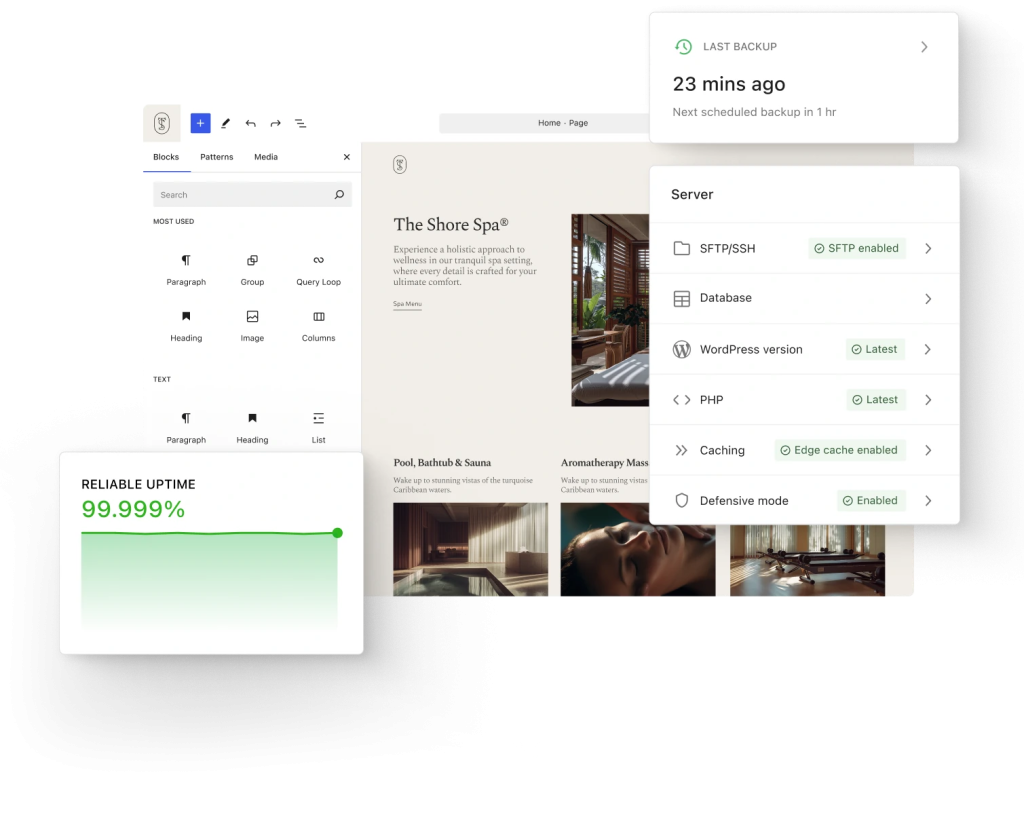
WordPress powers over 43% of websites globally, and it dominates the Malaysian SME market.
Advantages
- Full ownership: You own the site, content, and data
- Flexible: Easily add bookings, forms, multilingual pages, and membership portal
- SEO-friendly: Lets you edit Meta titles, change H1 and headings easily.
- Cost-effective: Ideal for Malaysian budgets
- Local hosting support: Can be self-hosted with a Malaysia server
Disadvantages
- Requires regular updates and backups
- Dashboards can feel overwhelming for beginners
- Plugin conflicts if poorly maintained
When WordPress Is the Best Choice
- Service-based businesses
- Content-driven websites
- Long-term brand building
- Businesses targeting Malaysia + international markets
- Companies with some technical knowledge or budget for occasional developer help
WordPress is the best website platform for most Malaysian businesses.
Many Malaysian law firms, accountants, and agencies run successfully on WordPress for years without issues, when managed properly.
Shopify: The E-Commerce Specialist
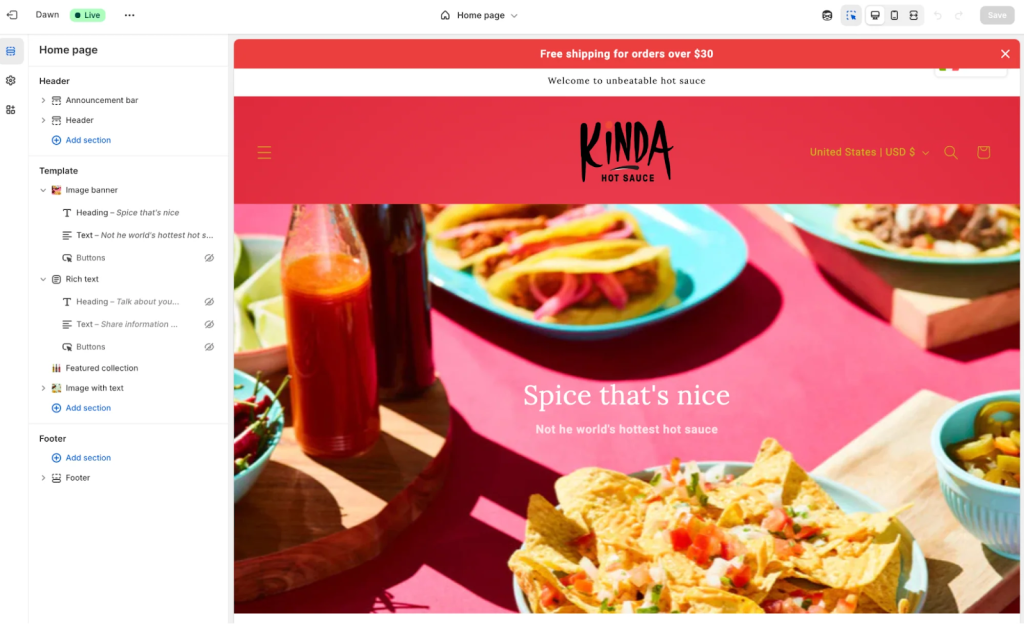
Shopify is purpose-built for selling products and simplifies e-commerce operations.
Advantages
- Fully hosted (no server management)
- Fast setup (days, not months)
- Strong mobile experience
- Works with Malaysian payment gateways
- Built-in inventory, checkout, cart recovery
Disadvantages
- Monthly fees add up (USD-based)
- Extra transaction fees
- Limited flexibility for content-heavy sites
- Apps and themes often cost extra
- You rent the platform, you don’t own it
When Shopify Is the Best Choice
- Pure e-commerce brands
- Fast launches
- Non-technical teams
- Businesses selling locally and internationally
- Brands prioritising simplicity over customization
Shopify is the best website platform in Malaysia for fast e-commerce, not for blogs or service sites.
For many Malaysian fashion, skincare, and gift brands, Shopify is still the best website platform Malaysia offers for quick e-commerce entry.
Real case study 1: Christy Ng
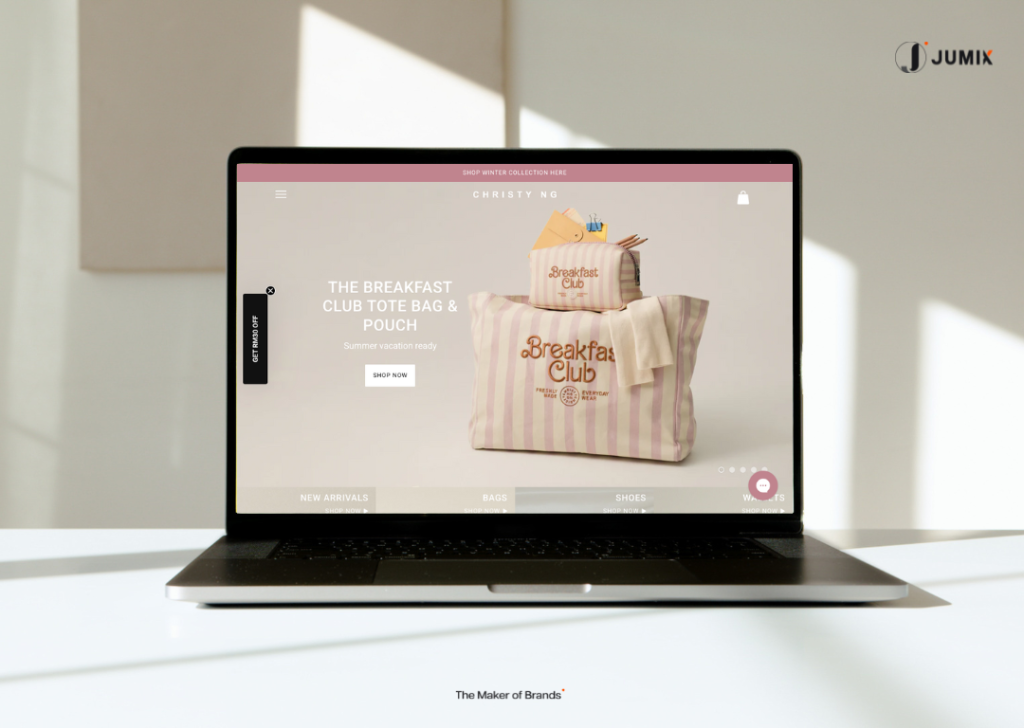
Christy Ng started by selling shoes at flea markets and on Facebook, quickly growing to 10 retail stores and two online channels serving local and international customers.
Challenge
Her old Opencart website frequently crashed during product launches.
Orders took two days to process, required extra staff, and customizing the website was slow and clunky, leading to a high checkout dropout rate.
Solution
Migrating to Shopify Plus changed everything:
- Handled over half a million customers without crashing
- Automated order processing from two days to one hour with Shopify Flow
- Integrated apps like Klaviyo (email campaigns) and Gorgias (customer support)
- Seamless checkout with Shopify Payments
Results
- 400% growth in revenue
- 50% reduction in checkout dropout rate
- 97% reduction in order processing time
Real case study 2: MR DIY
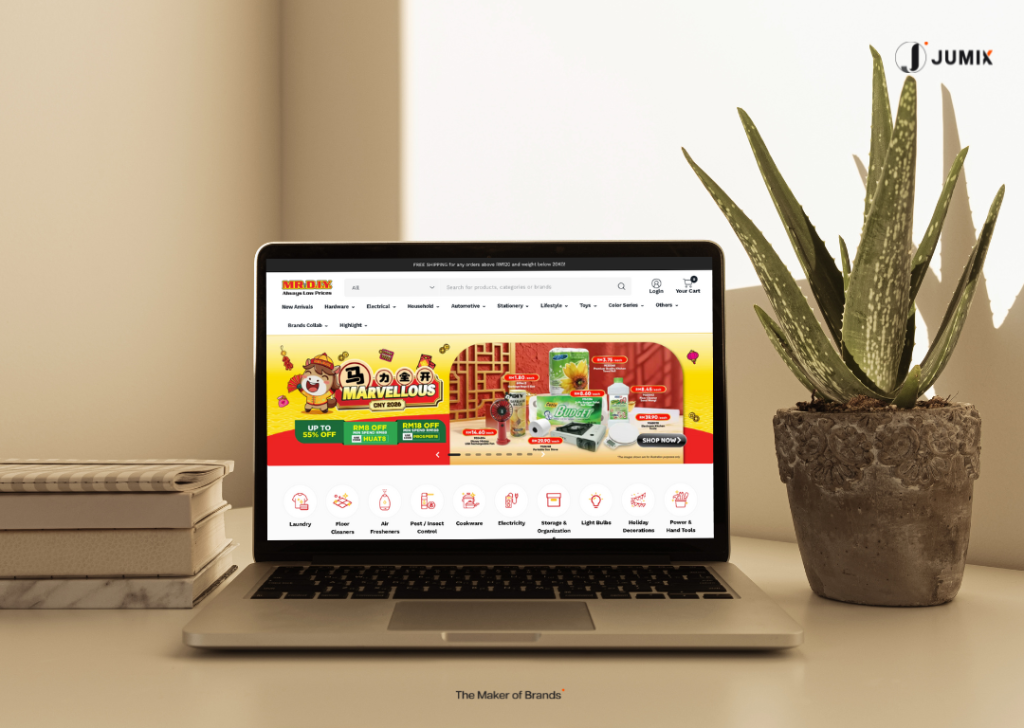
MR DIY grew from a single Kuala Lumpur store to a retail giant with 1,400+ outlets across Malaysia and a presence in 14 countries.
Challenge
Managing e-commerce on Adobe Commerce (Magento) and in-house platforms was draining.
Even simple updates or promotions demanded developer support, while B2B buyers struggled to place bulk orders.
International sales were limited by the platform’s lack of agility.
Solution
Migrating to Shopify Plus gave teams more control and faster workflows:
- Launch campaigns and promotions without developers
- B2B features for bulk orders and tiered pricing
- Stable infrastructure handling 1,000–1,500 daily orders
Results
- 16% growth in revenue
- 113% increase in daily order fulfilment
- 41% reduction in platform maintenance costs
Want to see Shopify done right?
Check out our Shopify website portfolio at Jumix and get inspired for your own store.
Custom-Built Websites: The Premium Option

Custom development means building from scratch using frameworks like Laravel, React, or Next.js.
Advantages
- Built exactly to your requirements
- No platform limitations
- Performance-optimized
- Unique features competitors can’t copy
- Full brand control
Disadvantages
- High upfront cost (RM50,000+)
- Long development timelines (3 – 6 months or more)
- Ongoing developer dependency
- Risk if code isn’t documented
When Custom Development Makes Sense
- Platforms where the website is the product (SaaS, marketplaces, apps)
- Complex workflows
- Large enterprises with technical teams
Custom is the best website platform in Malaysia only when platforms genuinely fall short.
If you’re considering custom development, check out how to choose web development company Malaysia.
Real Cost Comparison for Malaysian Businesses
| Platform | Estimated Year-1 Cost |
| WordPress | RM5,000 – RM20,000 |
| Shopify | RM5,000 – RM25,000 |
| Custom Development | RM50,000 – RM500,000++ |
Let me break down what you’re actually spending over the first year.
This is based on real numbers from Malaysian businesses I’ve worked with.
| WordPress | Shopify | Custom Development | |
| Monthly subscription | – | RM1,212/year (Basic plan) | – |
| Setup and design | RM5,000-20,000 (depends on complexity) | RM5,000-25,000 (if needed) | RM50,000-100,000+ |
| Domain name | From RM99/year | From RM99/year | Depends |
| Hosting | RM300-800/year (local shared hosting) | Included | |
| Premium theme | From RM300 (one-time) | RM400-2,026 (one-time) | Custom-designed |
| Essential plugins / Apps | RM0-1,164/year | RM600-2,400/year (average 2-4 paid apps) | – |
| Maintenance | RM0-6,000/year (if you hire help) | Included | RM6,000-50,000/year |
| Transaction fees | Depends on payment gateway | From 0.5% to 3%, depend on Shopify plans | Depends on payment gateway |
| Updates and changes | DIY or RM1,000–3,000/year | Limited, mostly via apps | RM3,000-10,000/year |
| Total Year 1 | RM5,000-20,000 | RM5,000-25,000 | RM50,000-500,000+ |
The cheapest option upfront is not always the cheapest long-term.
The best website platform Malaysia businesses choose balances cost, control, and scalability.
Matching Platform to Business Type
Best website platform Malaysia businesses should choose:
- Service businesses (agencies, clinics, consultants): WordPress
- E-commerce brands (fashion, skincare, gifts): Shopify
- Hybrid businesses (services + products): WordPress + Shopify
- B2B companies: WordPress or Custom (depending on workflow complexity)
- SaaS, marketplaces, platforms: Custom development
If you choose the wrong platform early, you’ll likely spend RM20,000+ rebuilding later.
Common Mistakes Malaysian Businesses Make
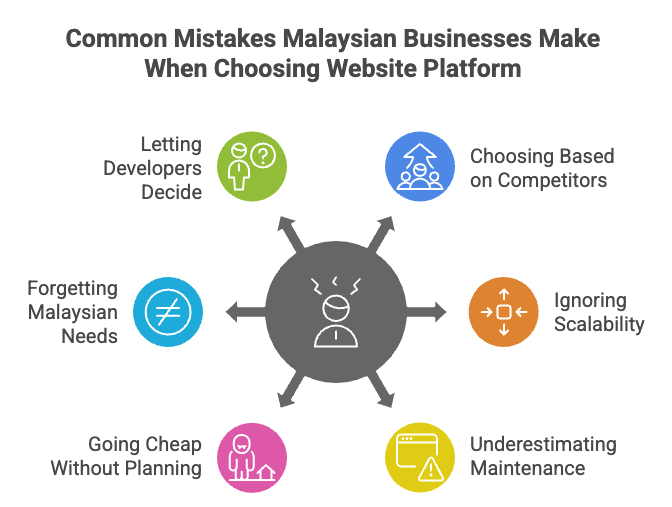
- Choosing based on competitors: Just because others use it doesn’t mean it fits your business.
- Ignoring scalability: A website that works today may struggle when traffic or sales grow.
- Underestimating maintenance: Every platform needs updates and care, neglects it, and things break.
- Going cheap without planning features: Cutting corners upfront often means paying more to rebuild later.
- Forgetting Malaysian-specific needs: Make sure prices, payment gateways, and site speed work for local users.
- Letting developers decide without understanding why: Developers recommend what’s easy to build, not necessarily what’s best for your business.
Most rebuilds happen not because of bad design, but bad platform decisions.
How to Choose the Right Platform (Simple Framework)
Ask yourself:
- Am I selling products or services?
- Do I need content and SEO?
- Will this scale in 2 to 3 years?
- Can I manage updates myself?
- Do Malaysian payment gateways matter?
Your answers usually make the choice obvious.
Making Your Final Decision
Here’s the honest advice:
- Start with WordPress if content or services matter
- Choose Shopify if selling products is the priority
- Go custom only when platforms genuinely limit you
The best website platform Malaysia businesses succeed with is the one that fits today and still works tomorrow.
Launch, learn, and improve, but don’t build on the wrong foundation.
Need help choosing the right platform?
Let Jumix guide you through the decision.
We’ve helped hundreds of Malaysian businesses choose and build on the platform that actually fits their goals.
Frequently Asked Questions
Which platform is best in Malaysia?
WordPress for general websites, Shopify for e-commerce, custom for complex systems.
Can I switch platforms later if I choose wrong?
Yes, but migrations can be costly and risky for SEO.
Do Malaysian payment gateways work with all platforms?
Yes, WordPress and Shopify integrate easily; custom can integrate with any gateway.
Check out our ecommerce website Malaysia guide 2026 for payment gateway details.
Can I build the website myself or do I need a developer?
Shopify is easiest, WordPress is learnable, custom requires professionals.
Read 10 questions to ask before hiring a web page designer near you if you decide to get help.







Comments are closed for this article!