

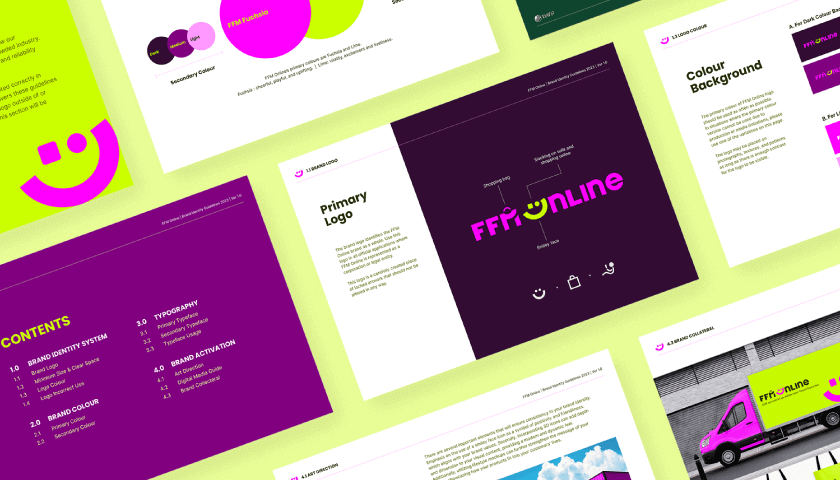

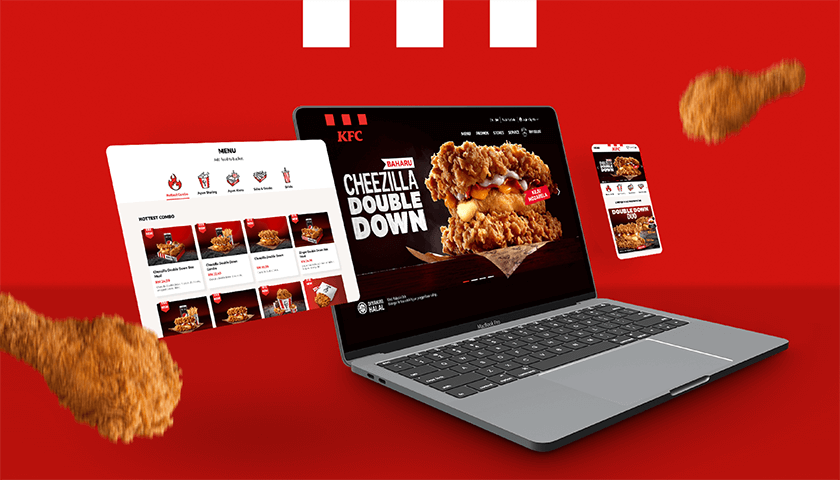

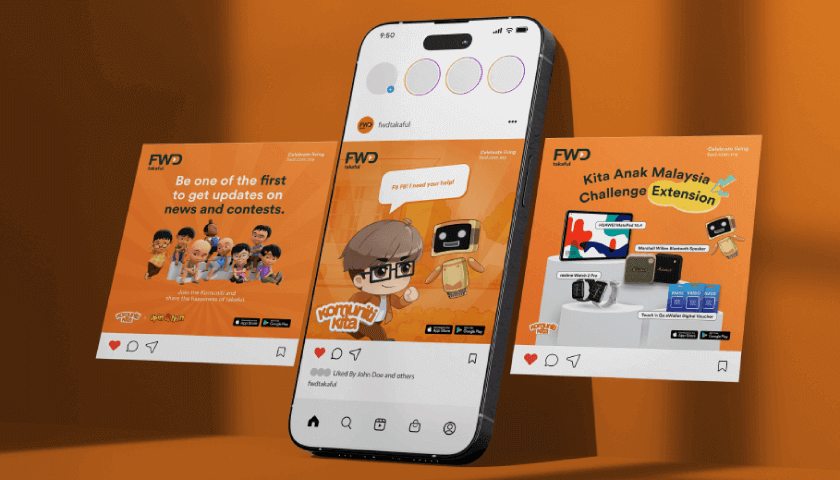


The best web development company in Malaysia shows you working, live sites during the pitch, quotes pricing by scope, and offers support after launch. A portfolio in your industry, or close to it, is a strong signal. A company that only charges a one-time fee, with no maintenance option, tends to disappear once the invoice clears.
- Quick Takeaways
- Why Your Business Needs a Real Development Partner
- What to Look for in a Web Development Company
- Red Flags to Avoid When Hiring
- 3 Non-Negotiables Before You Sign
- Common Myths About Hiring a Web Development Company
- What It Actually Costs and How Long It Takes
- FAQ
Quick Takeaways
- A web development company in Malaysia should show you 2 or 3 live sites they built, not a PDF of static screenshots.
- A basic SSM name search is free and takes 2 minutes. It confirms the company you’re about to pay a deposit to is actually registered.
- Full builds typically run RM3,000 to RM30,000 or more, over 4 to 10 weeks, depending on scope.
- A company that only offers a one-time fee, with no retainer or maintenance option, usually can’t support what it builds after launch.
- The clearest red flag is a vendor who can’t explain their process without jargon.
Your website is the first thing most customers see.
Before they call you, message you, or walk into your shop, they check your site.
A rushed or generic build costs you that first impression, and picking the wrong company to fix it is an expensive mistake to undo.
Here’s what actually separates a real development partner from a slick pitch deck.
Why Your Business Needs a Real Development Partner

A website is the asset that does the selling before your team ever picks up the phone.
It works around the clock, long after you’ve published it and moved on to the next task.
A polished, working site tells a visitor you’re credible before they read a word of your copy. A generic template, or a site that breaks on a phone, tells them the opposite.
Most visitors decide whether to stay or leave within a few seconds of landing on your homepage.
A slow, cluttered or confusing site loses that decision fast. It happens before your price or product ever comes up. A specialist development company plans against that from the first wireframe, long before the final design is signed off.
Here’s what a real development partner actually does for the business behind the site:
- Builds trust fast. A professional site tells visitors you’re serious before they read a single word.
- Turns visitors into leads. Traffic alone doesn’t pay the bills. The site has to guide people to act.
- Keeps you competitive. If a competitor’s site makes a stronger first impression, you lose the sale before it starts.
- Helps you rank. A site built on solid SEO fundamentals performs better on Google over time, and stays that way.
What to Look for in a Web Development Company
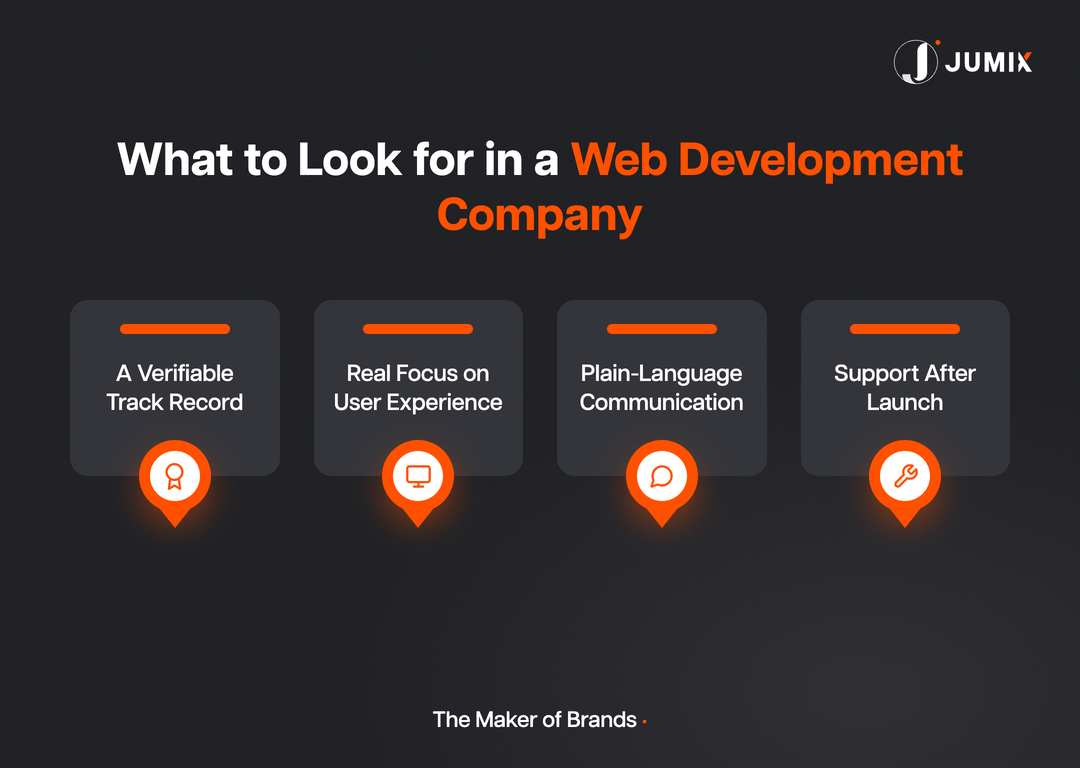
Finding the right partner comes down to this checklist.
- A track record you can verify. Ask for 2 or 3 live sites in your industry, or close to it. A real portfolio holds up when you click around it yourself.
- A real focus on user experience. A beautiful homepage means nothing if visitors can’t find your contact page. Ask for a walkthrough of how they test navigation.
- Straight talk, no jargon. If a vendor can’t explain their process in plain English, that’s a preview of every future update request.
- Support that doesn’t end at launch. Ask what support looks like in the weeks after your site goes live.
At Jumix, we’ve built more than 600 websites for businesses across Malaysia and beyond over the past 12 years. Ask any vendor you’re considering, including us, to walk you through their portfolio the same way.
Red Flags to Avoid When Hiring
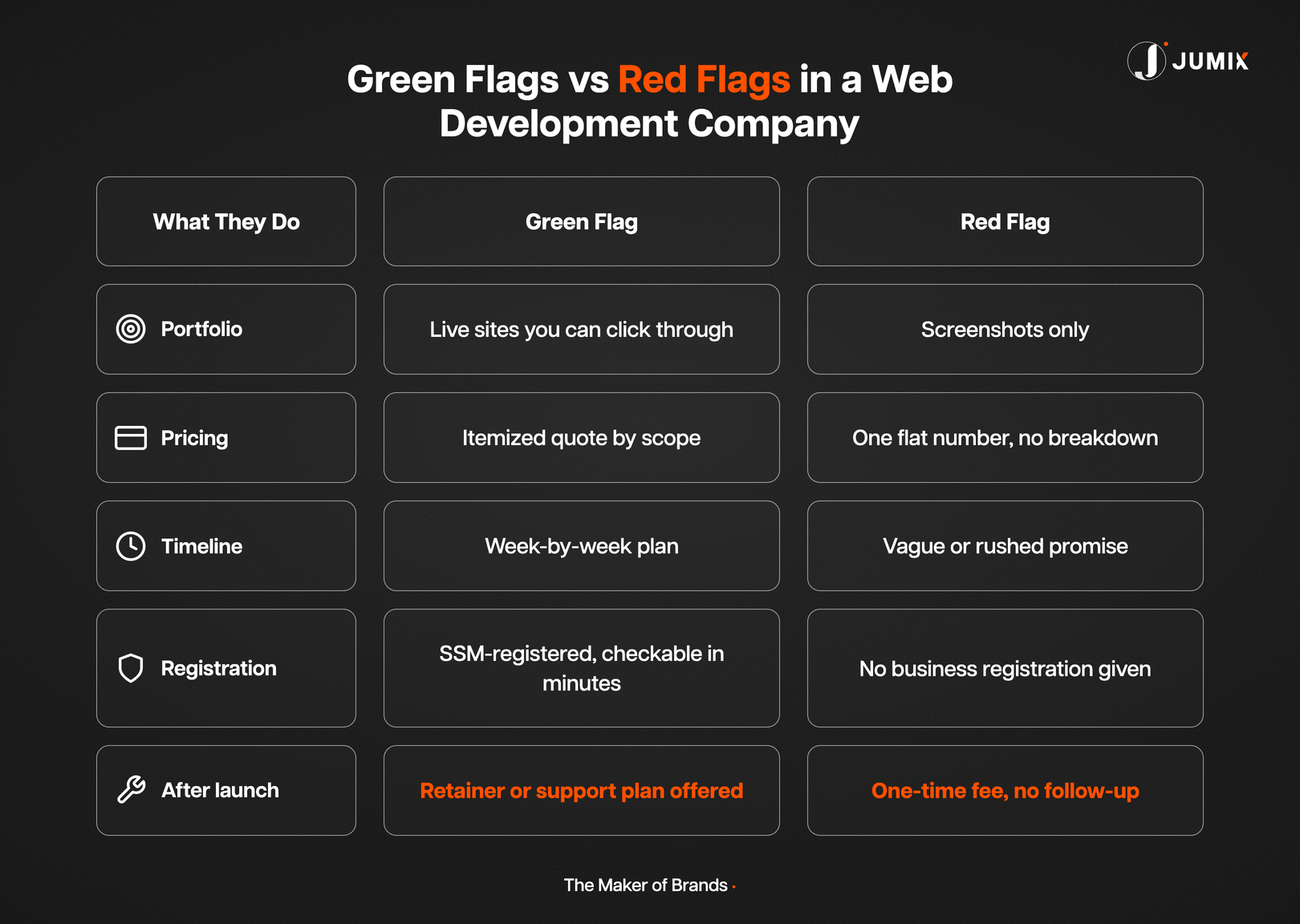
A few patterns come up again and again with bad hires.
- Prices that undercut everyone else. A quote well below the market usually means shortcuts now and a rebuild in 2 or 3 years.
- No clear timeline or cost breakdown. A vendor who can’t tell you what happens week by week is guessing at your timeline.
- Unedited template stacking. Every business has its own story. An untouched template rarely tells it.
None of these show up on day 1. They show up 6 months in, when the site breaks under real traffic, or a form stops working and nobody answers the phone.
By then you’re not choosing a company anymore. You’re rebuilding, on a tighter budget and a shorter timeline than you had the first time.
Our longer list of agency red flags covers the design side of this same problem in more depth.
3 Non-Negotiables Before You Sign
Before you weigh anything else, run one 2-minute check.
Search the company’s name on SSM’s free eSearch. Confirm it’s registered under that exact name. A business that can’t be found there is a business you can’t hold accountable later.
Once that’s confirmed, 3 things separate a company worth hiring from one that just looks the part:
- Real operating history. Ask how long the company itself has operated, separate from how long the founder has been coding.
- Mobile-first execution. A large share of your traffic will land on a phone screen first. A site that only looks right on a widescreen monitor fails that visitor before they’ve even opened your menu.
- Support that continues after handover. If a vendor won’t talk about what happens after launch before you’ve paid a deposit, that’s your answer.

A short discovery call tells you more than any pitch deck. Listen for how a company talks about your goals, alongside their own process.
Common Myths About Hiring a Web Development Company
A few myths keep business owners from finding the right partner.
- Myth: any developer can build it. Building and building well aren’t the same skill. Strategy, UX and conversion thinking are a separate craft from writing code.
- Myth: a website is a one-time cost. A site left untouched for years falls behind on security patches, browser updates and search rankings. Treat it like a shopfront, not a signboard you install once.
- Myth: fancier is better. A flashy site that confuses visitors converts worse than a plain one that’s easy to use. Simple, clear and fast beats clever, most of the time.
- Myth: the cheapest quote saves you money. If it were my money, I’d rather pay more upfront than rebuild in 2 or 3 years. I’ve seen it happen more times than I’d like. A business picks the lowest bid, then rebuilds the entire site once it can’t scale.
What It Actually Costs and How Long It Takes

Pricing varies by scope, but Malaysian web development projects generally fall into a few bands.
| Project type | Typical cost | Typical timeline |
|---|---|---|
| Simple business site | RM3,000 to RM8,000 | 3 to 5 weeks |
| Custom corporate site | RM8,000 to RM20,000 | 5 to 8 weeks |
| Ecommerce build | RM10,000 to RM30,000+ | 6 to 10 weeks |
| Complex custom platform | RM30,000+ | 10+ weeks |
What pushes a quote toward the top of its band is rarely the design work. It’s custom integrations: payment gateways, booking systems, multilingual content, or connecting the site to an existing CRM.
Ask what’s driving your number specifically. A vendor who can point to the exact feature behind each ringgit is one who scoped the project properly. A vendor who just names a round figure probably didn’t.
For exact price bands by website type, see our full website design cost breakdown. For what’s actually included at each stage of a build, see our guide to what a full website build covers.
A quote that skips the timeline entirely, or promises a full ecommerce build in 2 weeks, is a red flag on its own.
FAQ
How much does web development cost in Malaysia?
Most projects run RM3,000 to RM30,000 or more, depending on scope. A simple business site sits at the low end. A custom ecommerce build sits at the high end.
How long does a website project take, start to finish?
Most projects take 4 to 10 weeks. A simple site can launch in 3 to 5 weeks. A custom ecommerce build usually needs 6 to 10 weeks or more.
Should I hire a freelancer or a web development company?
A freelancer can cost less upfront, but a company gives you a team, not one person’s availability. If a single freelancer disappears mid-project or after launch, you have no one else to call.
What happens if my developer stops responding after launch?
You’ll need to recover access to your domain, hosting and CMS accounts before anyone else can help. Start with whoever holds the domain registration, since that account controls everything else.
Do I need a Malaysian-based company, or can I outsource overseas?
A Malaysia-based company understands local payment gateways, e-invoice requirements and how Malaysian customers browse and buy. That local context is hard to replace with a cheaper option overseas.
Conclusion
Choosing a web development company in Malaysia comes down to a few checks. A portfolio you can click through yourself. Pricing you understand before you sign. A team that talks in plain language, not jargon.
Run the SSM search. Skip anyone who won’t commit to support after launch.
We’ve spent 12 years and more than 600 projects learning what separates a real build from a rebuild waiting to happen. We’re happy to be one of the companies on your shortlist. We’ll answer the same questions you’d ask anyone else.
If you’re ready to start that conversation, get in touch and we’ll walk you through our process, live.




Comments are closed for this article!