

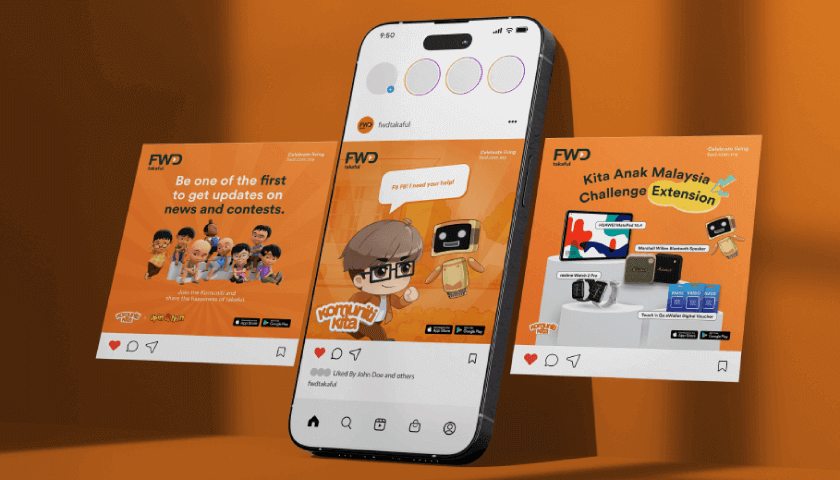


If you’re searching for the best website platform for branding Malaysia, you’re already thinking like a serious business owner.
Let me be direct with you.
Your website is not just a digital name card.
It is your 24/7 salesperson.
Your first impression.
Your brand experience centre.
In Malaysia’s competitive markets, Kuala Lumpur, Klang Valley, Penang, Johor Bahru, your website determines whether customers perceive you as:
- Premium
- Trustworthy
- Established
- Or forgettable
I’ve seen businesses spend months refining their logo, brand colors, and packaging, only to paste everything onto a generic template that screams, “Last minute decision.”
That disconnect damages trust immediately.
Understanding why Malaysian companies need both branding and web design working in harmony is the real starting point.
If you truly care about choosing the best website platform for branding Malaysia, you must understand one thing first:
Why Brand Identity Starts With Your Website Platform
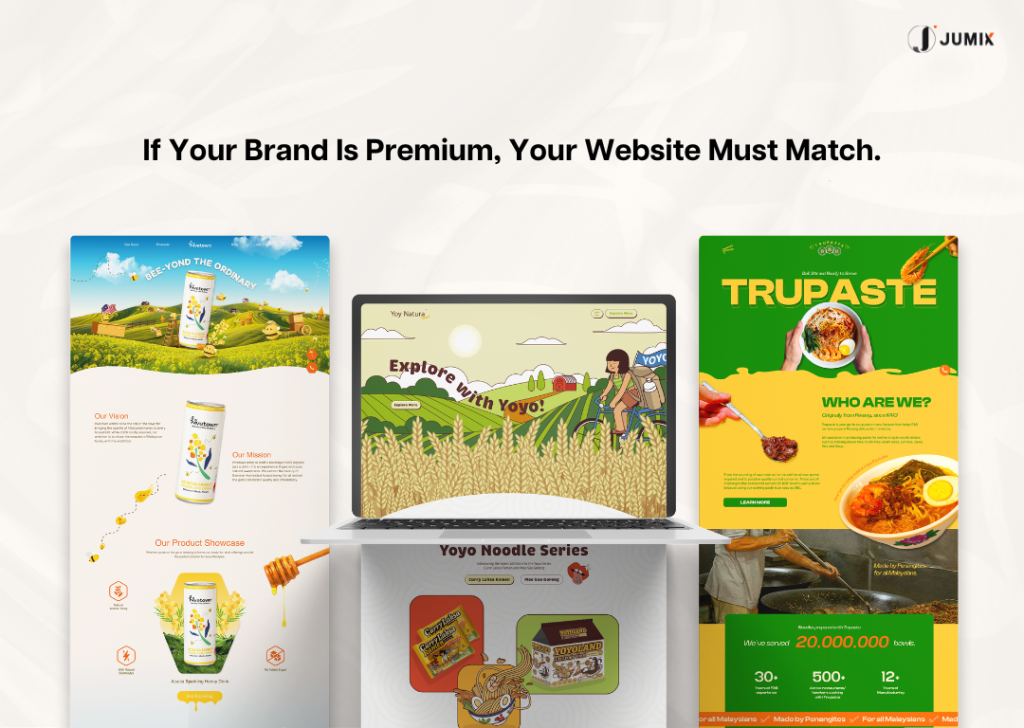
Your platform controls:
- Site speed (critical for Malaysian mobile users)
- Design flexibility
- SEO structure
- Mobile responsiveness
- Payment integration (FPX, local gateways)
- Scalability
The wrong platform restricts you.
The right platform amplifies you.
Think of it this way.
If your brand is a premium restaurant, your website platform is the building it sits in.
You can hire the best chef in KL, but if the entrance looks like a mamak renovation halfway done, people will walk past.
Platform choice is brand positioning.
How Malaysian Customers Judge Brands Through Websites
Malaysian consumers are digitally mature.
They compare.
They scroll.
They evaluate.
The moment someone lands on your website, they silently judge:
- Speed. Does it load under 3 seconds? If not, they bounce (Google).
- Design consistency. Does everything feel like one cohesive brand?
- Mobile experience. Over 99.5% of Malaysian traffic is mobile-first (Department of Statistics Malaysia).
- Credibility signals. HTTPS security, real photos, structured layout.
- Local relevance. FPX payment, local trust cues.
If you want to understand what makes a high-converting website for Malaysian customers, these five factors are where it begins. They also explain why your website may not be converting despite heavy traffic.
Overview of Popular Website Platforms Used in Malaysia
Before going deep, here’s the landscape most Malaysian businesses operate in.
When choosing the best website platform for branding Malaysia, it usually comes down to three categories:
WordPress
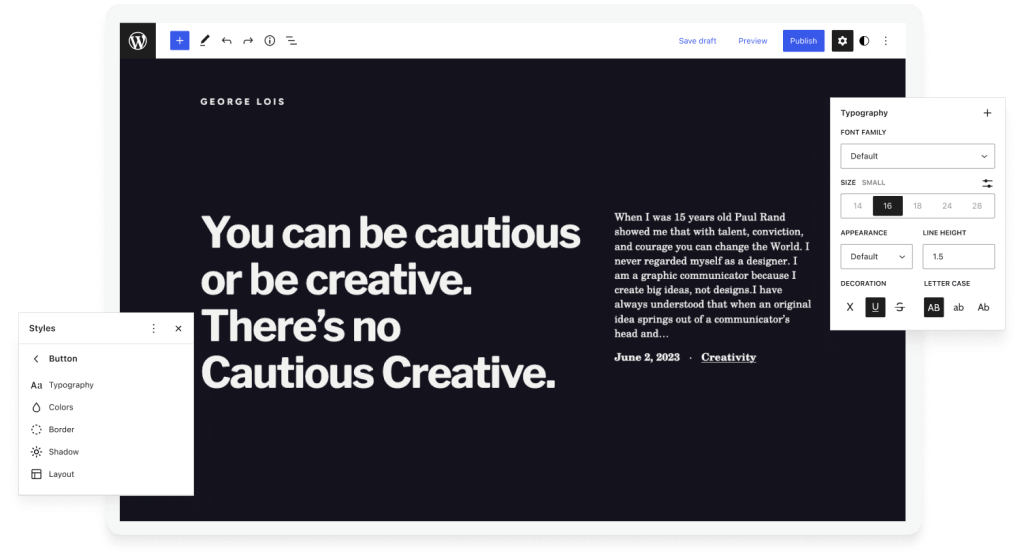
According to WordPress, WordPress powers over 43% of websites globally.
In Malaysia, it’s the most common choice for businesses that want flexibility and control.
It’s an open-source CMS (content management system) with thousands of themes and plugins.
Most Malaysian web agencies build on WordPress because of its adaptability.
Shopify
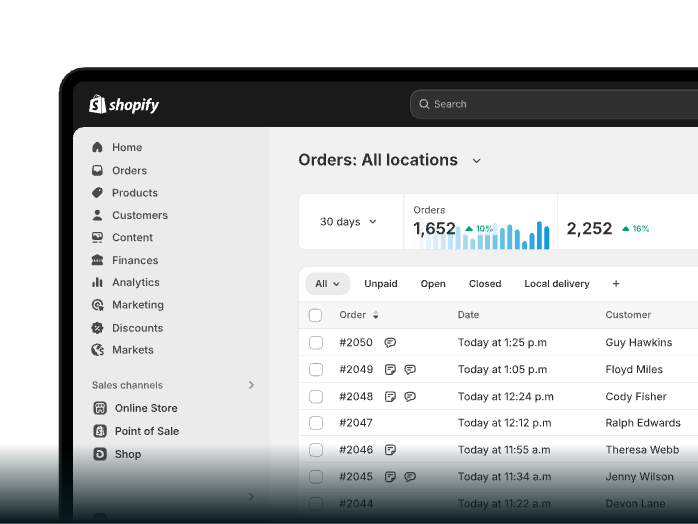
Shopify is the leading e-commerce platform.
It’s designed specifically for selling products online.
If your main focus is inventory, payments, and checkout flow, Shopify is built for that from day one.
Custom-Built Websites
Custom development means your site is coded from scratch.
No templates.
No structural limits.
Fully tailored architecture.
It’s the premium-tier option for brands that need complete uniqueness and scalability.
WordPress for Brand Identity
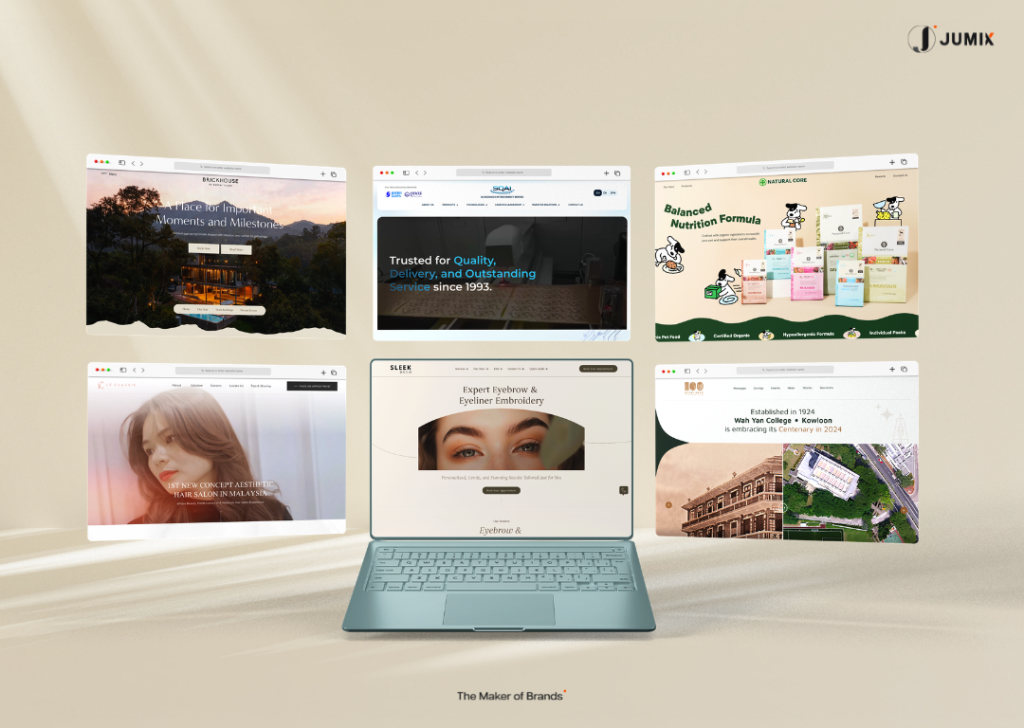
When discussing the best website platform for branding Malaysia, WordPress is often the strongest all-rounder.
Strengths
- Full design control. Page builders like Elementor and Divi allow full visual control.
- Massive theme ecosystem. Professional themes accelerate brand consistency.
- Strong SEO ecosystem. Plugins like Yoast SEO and RankMath support deep optimisation for Malaysian keywords.
- Content marketing ready. Blogging, landing pages, authority building.
- Plugin flexibility. Booking systems, live chat, bilingual support, membership portals, all possible.
For service-based businesses in Malaysia, WordPress gives you storytelling power.
Limitations
- Ongoing maintenance. Updates are necessary.
- Security responsibility. Proper hosting and security setup are critical.
- Speed optimization required. Without caching and good hosting, performance suffers.
When properly built, however, WordPress remains one of the strongest candidates for the best website platform for branding Malaysia.
Best Suited Industries
- Consultants and agencies
- Law firms
- Healthcare clinics
- Education providers
- Real estate agencies
- Content-driven brands
Best for brands that rely on trust, authority, and organic traffic growth.
Shopify for Brand Identity
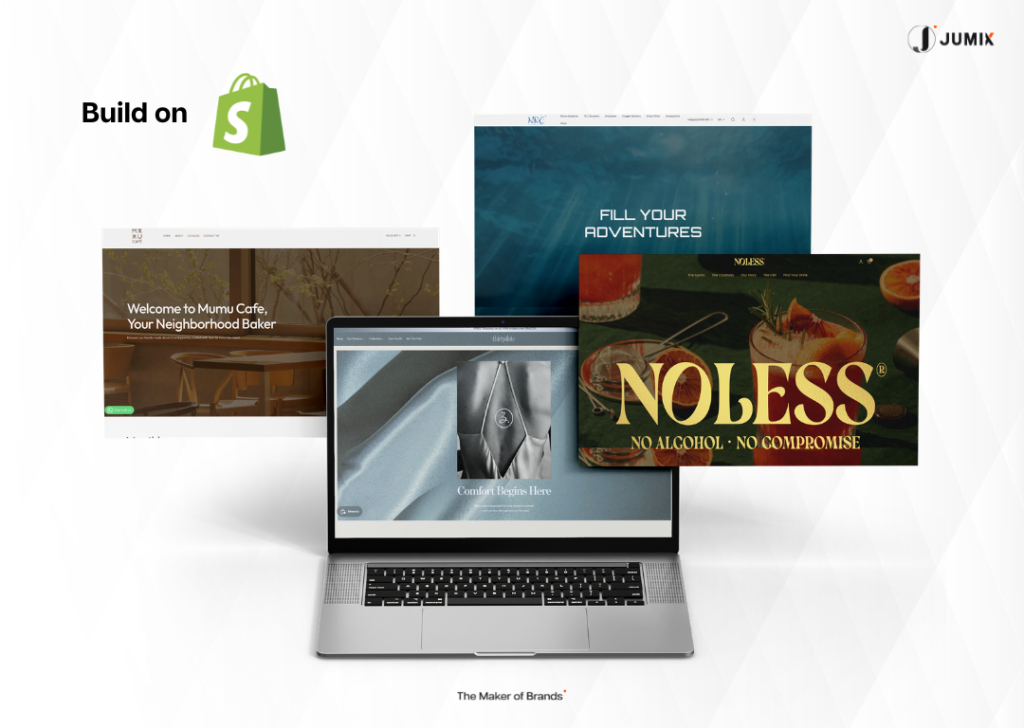
If branding and selling products go hand-in-hand, Shopify enters the conversation.
Strengths
- Built for selling. Product pages, cart, checkout integrated.
- FPX & local payments supported. Essential for Malaysian buyers.
- Mobile-optimised templates. Clean and professional.
- Hosting included. No server management required.
- Multi-channel integration. Sell via website, Shopee, Instagram, Facebook.
For product-driven brands, Shopify can be the best website platform for branding Malaysia, especially when conversion and checkout flow are priorities.
Limitations
- Monthly recurring cost. Starting from USD 39/month (around RM 180+).
- Paid apps required for advanced features
- Less flexible for content-heavy branding
- Less granular SEO control compared to WordPress
Best Suited Industries
- Fashion brands
- Beauty & skincare
- F&B e-commerce
- Home decor
- Dropshipping businesses
Best for brands prioritising conversion and checkout optimisation.
Custom Website Development for Brand Identity
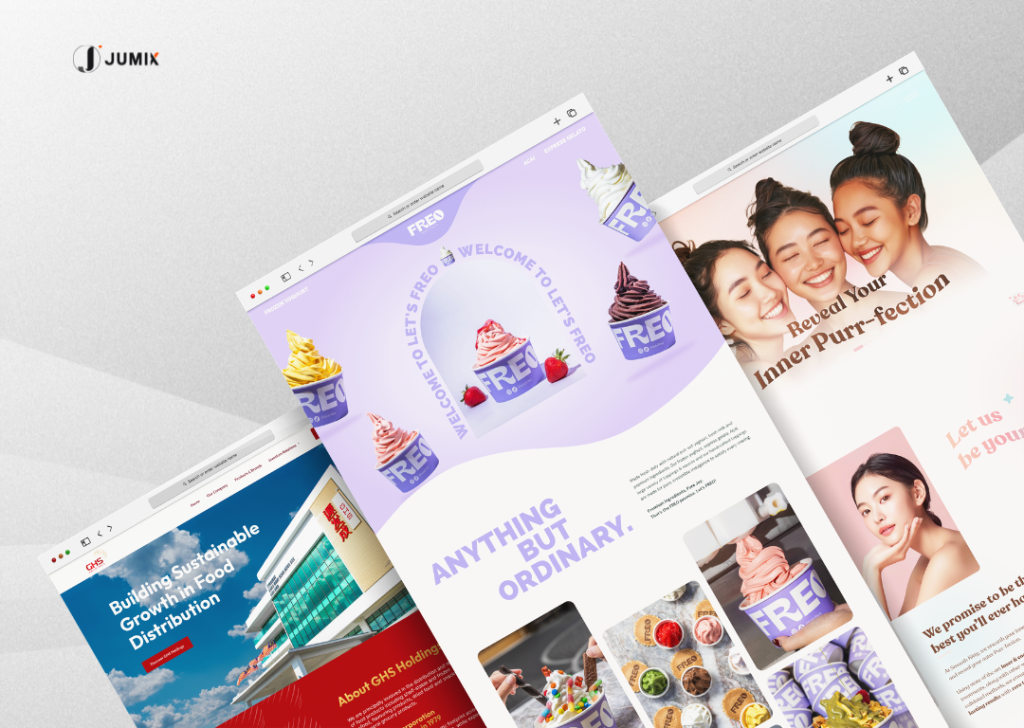
Now we move into premium territory.
If differentiation is your priority, custom development becomes powerful.
Strengths
- Fully unique UX. Every pixel aligned with your brand.
- Optimised performance. Lean code, faster load times.
- Built around your internal systems. Built to handle growth and complex systems.
- Premium visual authority. Immediately signals authority.
For brands aiming to dominate their industry, custom builds can represent the ultimate version of the best website platform for branding Malaysia, if budget allows.
Limitations
- Higher upfront investment. RM 15,000 to RM 100,000+.
- Longer development timeline. 2 to 6 months.
- Developer dependency. Changes require technical support.
When to Consider Custom
- Complex ERP or CRM integration
- Marketplace or SaaS platform
- Highly competitive industries
- Unique UX flows required
- Brand has outgrown template limitations
Best for brands competing at enterprise scale.
Platform Comparison for Malaysian Businesses
Let’s simplify the decision.
| WordPress | Shopify | Custom | |
| Branding Flexibility | High | Medium (strong for product brands) | Maximum |
| SEO Capability | Excellent for long-term organic growth in Malaysia | Good for product SEO | Depends on developer SEO knowledge |
| Scalability | High with proper hosting | High for e-commerce volume | Built exactly to your needs |
| Cost Range | RM5,000 – RM30,000 | RM5,000 – RM25,000/month | RM50,000 – RM100,000+ |
If you’re evaluating the best website platform for branding Malaysia, cost should not be the only filter, strategic alignment matters more.
Which Platform Is Best Based on Business Type
Service-based businesses (consultants, clinics, agencies)
→ Best choice: WordPress
You need authority, trust, and content strength, not a shopping cart.
Product / eCommerce brands
→ Best choice: Shopify
You need smooth checkout, payment integration, and inventory management.
Pair it with the right e-commerce company strategy for Malaysia in 2026.
Enterprise / corporate brands
→ Best choice: Custom development or high-end WordPress
Brand authority and differentiation matter at scale.
Startups validating ideas
→ Best choice: WordPress (lower cost, scalable SEO base)
Lower cost. Faster launch. Strong SEO foundation.
There is no universal winner. Only strategic alignment.
For most SMEs, WordPress is often the practical answer when searching for the best website platform for branding Malaysia.
Common Platform Mistakes Malaysian Businesses Make
I see these mistakes repeatedly:
- Choosing based on price alone
- Using free builders like Wix for serious branding
- Ignoring mobile optimisation
- Ignoring page speed
- Not planning for local SEO
- Switching platforms every 2 to 3 years
- Treating website as a one-time project
Your website is a living brand asset. It needs updates, optimisation, and evolution.
How to Choose Strategically
Ask:
- Is SEO a core growth channel?
- Is selling products your primary revenue model?
- Will you need system integrations later?
- Is differentiation essential to your positioning?
- What is your 3-year growth plan?
The platform should match the business model, not trend.
Conclusion: How to Choose the Right Platform
Here’s the bottom line.
The best website platform for branding Malaysia is not about popularity.
Your website works 24/7.
It either builds trust.
Or quietly loses customers.
If you’re unsure which direction suits your business, consult Jumix for a proper strategy session to map out the right website structure, SEO approach, and brand positioning for the Malaysian market.
Frequently Asked Questions (FAQs)
Does the website platform affect how premium my brand looks?
Yes. Platforms that restrict layout, typography, or spacing can make brands look templated instead of premium.
Does switching platforms hurt SEO?
Yes. URL structures, redirects, and internal linking often change. Poor migrations can reduce rankings significantly.
Is hosting quality related to brand perception?
Indirectly, yes. Slow loading and downtime reduce perceived reliability.
Should I prioritise SEO or visual branding when selecting a platform?
Both. Strong branding attracts attention. Strong SEO drives traffic. The platform must support both.
Is it better to start simple and upgrade later?
It depends on your growth plan. If your business is validating a new idea, starting with WordPress is practical. But if your business model already requires complex integrations or unique user flows, choosing the best website platform for branding Malaysia at the beginning prevents costly migrations later.






Comments are closed for this article!