





To get recommended by ChatGPT, structure your website so it answers questions directly, get your business mentioned consistently across other sites like Google Business Profile, review platforms and directories, and keep your content fresh. AI search tools cross-check multiple sources before naming a business, so one polished website alone will not get you cited.
- Quick takeaways
- Why ChatGPT skips most businesses
- Structure content for AI to lift
- Build proof across the web
- Malaysia-specific moves
- FAQ
Quick takeaways
- Only 1.2% of local business locations currently get recommended by ChatGPT (Source: Search Engine Land, 2026).
- 81% of Malaysians already use AI tools to search for information or answers (Source: Vodus, 2026).
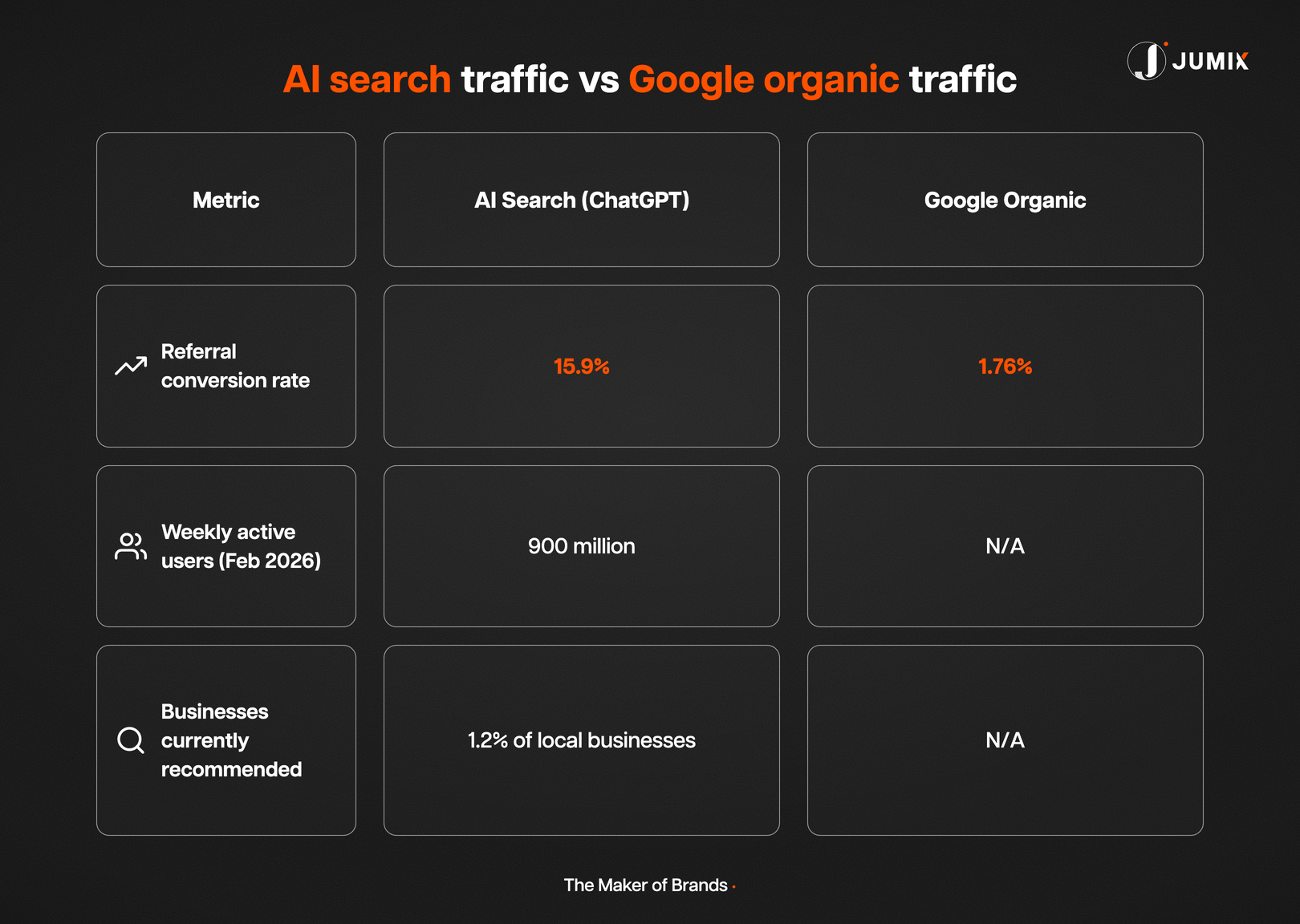
- In one 7-month case study, ChatGPT referral traffic converted at 15.9%, against 1.76% for Google organic (Source: Seer Interactive, 2026).
- ChatGPT hit 900 million weekly active users in February 2026 (Source: Search Engine Land, 2026).
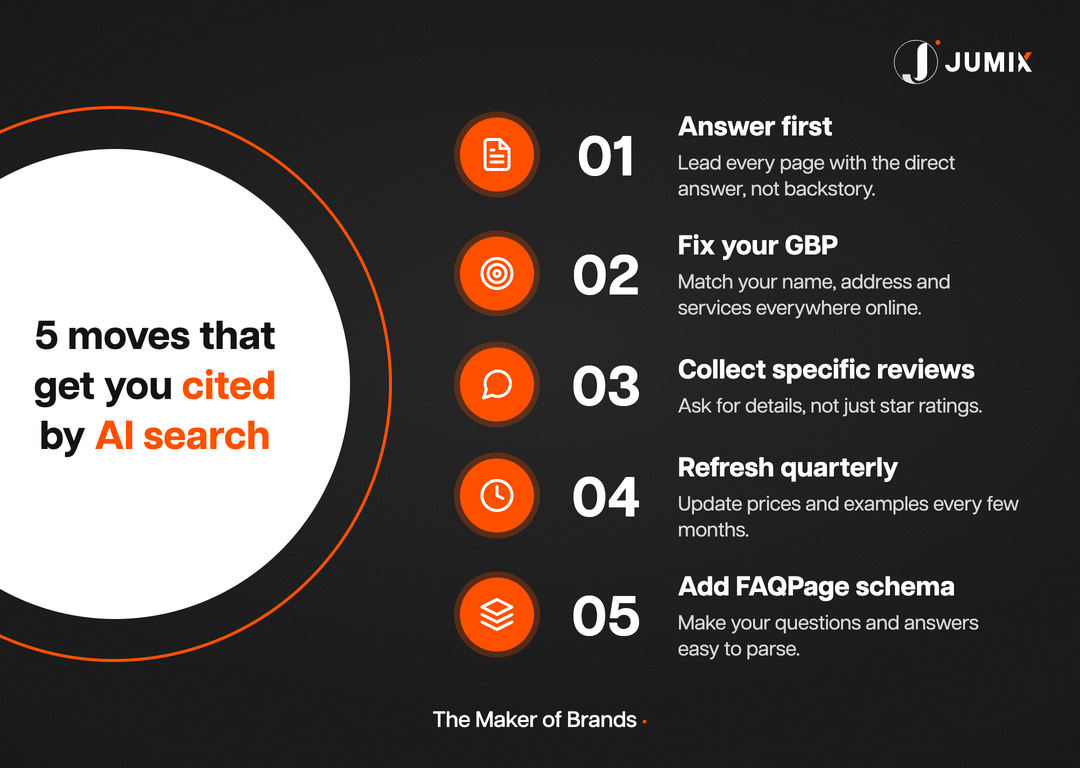
- AI answers cite pages that answer the question in the first sentence, not pages that build up to it.
Why ChatGPT skips most businesses
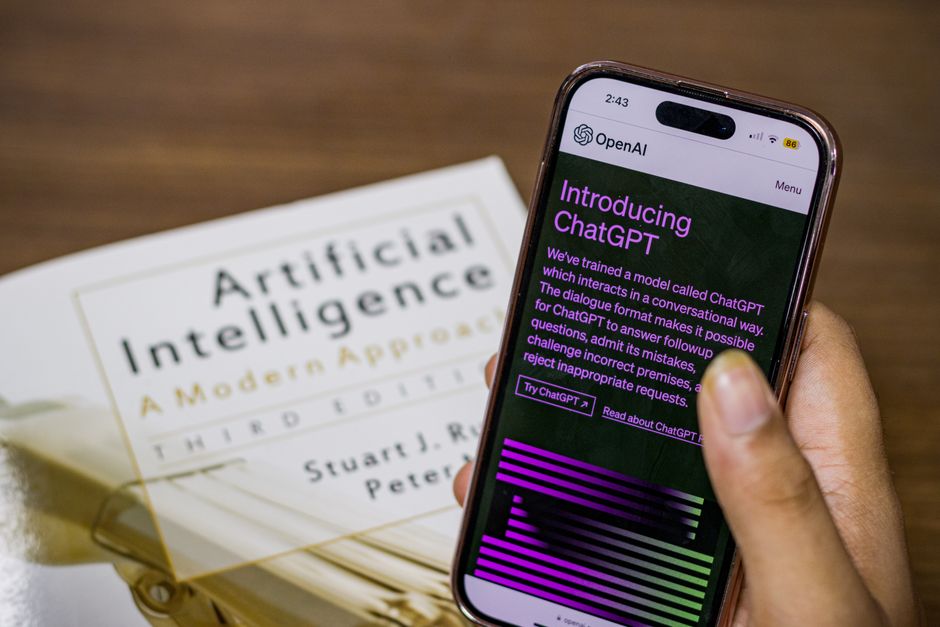
ChatGPT does not crawl your website the way Google does.
It pulls answers from a mix of live web retrieval and its own training data.
When someone asks “which web design company should I use in KL,” ChatGPT is not scanning every agency site.
It is looking for names that show up again and again, in places it trusts.
That is why only 1.2% of local business locations currently get recommended by ChatGPT (Source: Search Engine Land, 2026).
Most business owners still chase Google rankings alone.
They forget that 81% of Malaysians already use AI tools to search for answers (Source: Vodus, 2026).
That gap is the opportunity.
Fewer businesses are competing for AI citations than for Google’s page one.
And the traffic that does arrive can convert hard: one Seer Interactive case study tracked ChatGPT referrals converting at 15.9%, against 1.76% for Google organic (Source: Seer Interactive, 2026).
People who ask ChatGPT for a recommendation have already decided to buy.
They just need a name.
Think about how you use ChatGPT yourself.
You do not ask it to list every clinic in Petaling Jaya.
You ask which one to book.
That single-answer format is what makes AI search so different from a results page.
There is no page two.
Either your business is the answer, or it does not exist for that buyer.
This is why some agencies chase visibility across ChatGPT, Claude, Gemini and Perplexity at the same time.
Each model weighs sources a little differently.
But the underlying pattern repeats: clear facts, repeated mentions, and content that answers rather than sells.
Get that foundation right once, and it works across every AI model.
Structure content for AI to lift
AI models extract information on the fly.
They grab whatever is easiest to read and easiest to quote.
That means your headings should match how people actually ask questions.
“How much does a website cost in Malaysia” beats “Pricing & Packages” every time.
Answer the question in the first sentence under that heading.
Give the number, the range, or the direct fact before any backstory.
If a competitor’s page starts with “Founded in 2015, our journey began…” you already have the advantage.
Lead with the answer.
Save the founding story for the About page.
We built Klinik Medic 360‘s homepage around exactly this idea: the RM40 screening price is shown prominently, with appointment scheduling above the fold.
If it were my call, that is the first thing I would fix on almost any Malaysian SME site before touching anything else about AI search.
A model can only cite a number it can actually find.
AI systems lift standalone sentences, not paragraphs buried in context.
Write one claim per sentence, with a number and a source where possible.
Freshness matters too.
Pages updated within the past two months earn more citations than older content.
Revisit your key service pages every quarter.
Update the prices, the examples, the year mentioned in the headline.
Our AEO and GEO guide covers how this content structure fits into a broader search strategy.
A structured page that never gets touched again will fall out of favor within months.
Break long paragraphs into short, quotable statements.
Each fact should stand on its own, ready to be lifted without extra context.
Avoid vague marketing lines like “we deliver excellence.”
AI models cannot cite a claim that has no substance behind it.
Say what you actually did, for whom, and what changed.
Build proof across the web
Your website is only one signal.
AI platforms scan for agreement across sources before naming a brand with confidence.
If your business shows up on Google Business Profile, review sites, and a few directories, all saying the same thing, AI trusts it more.
Inconsistent business names, addresses, or descriptions across platforms confuse the model.
Confusion means the model plays it safe and picks a competitor instead.
Start with Google Business Profile, since AI systems cross-reference it against your website to verify basic facts.
Then get listed on relevant directories and review platforms in your industry.
Ask happy customers to leave a review that mentions what you actually did for them.
Specific reviews carry more weight than generic five-star ratings.
Our piece on local SEO for Klang Valley businesses walks through the profile and listing setup in more detail.
This groundwork takes weeks, not days.
But it compounds every time someone new mentions your business online.
YouTube and TikTok content count as sources too.
A short video review or a client testimonial clip gives AI models another independent data point.
Reddit threads and forum discussions carry weight as well, since they read as unbiased opinion rather than paid advertising.
If your industry has an active local forum or Facebook group, show up there consistently.
Answer questions honestly, without pushing a sale in every reply.
Malaysia-specific moves
Malaysian search behavior has its own quirks.
Many buyers ask AI tools in Manglish, mixing English with Bahasa Malaysia and Chinese terms.
Write FAQ content that mirrors those phrasings, not textbook English only.
Add FAQPage schema to your key pages so AI systems can parse your questions and answers cleanly.
Structured data does not guarantee a citation, but it removes friction for the model reading your page.
An llms.txt file at your domain root is worth adding too.
Yoast SEO now generates and refreshes one automatically for WordPress sites, which shows the standard is gaining traction (Source: Yoast, 2026).
Treat it as a small piece of housekeeping, not a silver bullet.
The businesses winning AI citations in 2026 are winning through genuine authority, not a text file.
For Malaysian SMEs, that means picking one or two things you are genuinely known for and writing about them deeply, again and again, across every channel you control.
Our guide to preparing your website for Google AIO and our piece on whether SEO is dead in the age of GEO both build on this same foundation.
Privacy and accuracy concerns still hold some Malaysians back from trusting AI answers fully.
Use that to your advantage.
Publish clear, sourced facts on your own site, so when a cautious buyer double-checks the AI’s answer, your page confirms it.
That confirmation moment is where trust gets built, and where the sale actually happens.
FAQ
How long does it take to get recommended by ChatGPT?
New or refreshed content can start generating citations within days.
Consistent visibility across multiple platforms usually takes a few months of sustained work.
Does ChatGPT use Google rankings to decide who to recommend?
Not directly.
ChatGPT and Perplexity lean heavily on Bing’s index for live web retrieval, so being findable there matters more than Google position alone.
Is llms.txt required to get cited by AI search tools?
No.
Most AI crawlers still read your HTML directly rather than fetching llms.txt.
It helps as clean infrastructure, but authority and consistent mentions matter far more.
Do I need reviews on multiple platforms, or is Google enough?
Spread them out.
AI tools cross-check agreement across sources, so reviews on Google, Facebook, and industry-specific platforms all add weight.
What is the fastest first step for a Malaysian SME?
Fix your Google Business Profile first.
Make sure your name, address, and services match your website exactly, then rewrite your top service page to answer the main question in its first sentence.
None of this replaces a website built to convert once someone arrives.
Here is why the effort is worth it.
| Metric | AI search (ChatGPT) | Google organic |
|---|---|---|
| Referral conversion rate | 15.9% | 1.76% |
| Weekly active users (Feb 2026) | 900 million | N/A |
| Businesses currently recommended | 1.2% of local businesses | N/A |
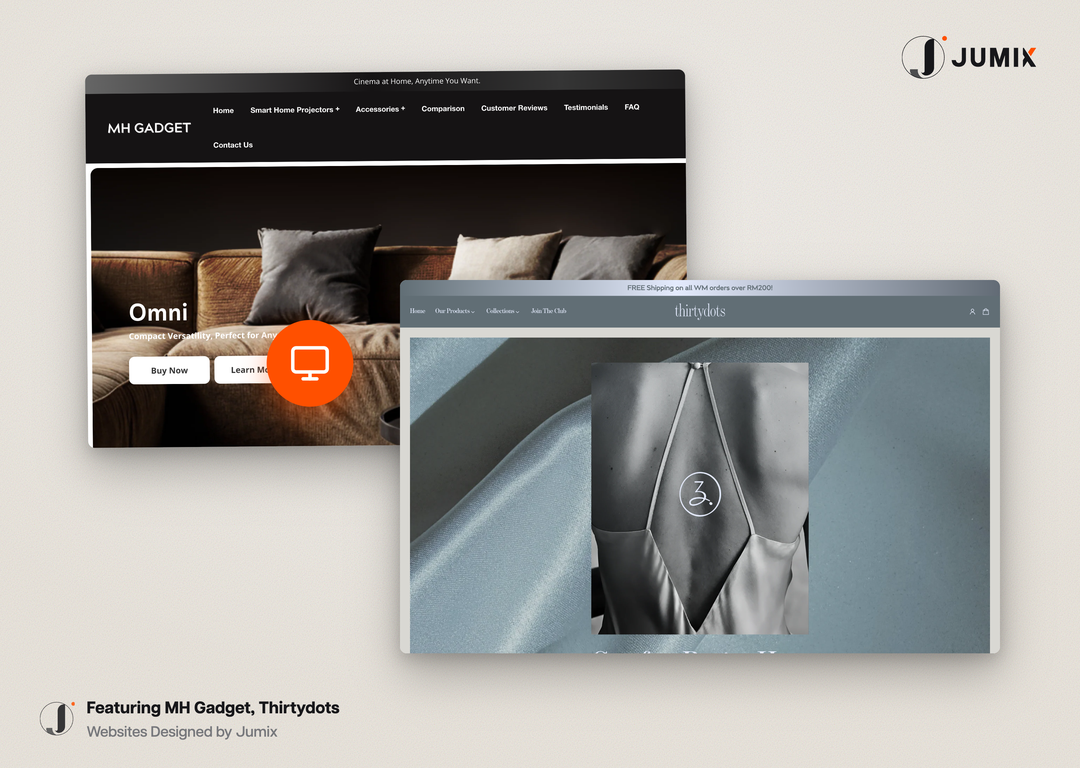
A citation only works if the page behind it loads fast, answers the visitor’s question, and makes the next step obvious.
Getting cited by ChatGPT is not a trick.
It is the same discipline as good SEO, applied to a newer set of readers.
Structure your content to answer first.
Build consistent proof across the web.
Keep it fresh, and keep your local details accurate.
Jumix builds websites and SEO strategy around exactly this kind of visibility.
If you want your business structured for both Google and AI search, our digital marketing service is where we’d start.




Comments are closed for this article!