


What Is Design in Marketing?
Design in marketing refers to the strategic use of visuals, layout, typography, and user experience to influence how customers perceive a brand and whether they take action.
It’s not decoration.
It’s decision-making infrastructure.
Before users read your copy, compare your pricing, or understand your offer, they evaluate your design.
And that evaluation happens fast.
In Malaysia’s increasingly competitive digital market, the role of design in marketing is one of the most underutilized growth levers.
Businesses invest in:
- Paid ads
- SEO
- Social media
But overlook the factor that determines whether those efforts convert:
Design.
Let’s break down how design directly impacts branding, trust, and sales, and what Malaysian businesses can do to improve it today.
How Design Affects Brand Perception
First Impressions Happen in Milliseconds
Research shows users form an opinion about a website in about 50 milliseconds (Behaviour and Information Technology).
That’s faster than a blink.
Before they read your headline.
Before they scroll.
Before they evaluate your offer.
Here’s what they instantly evaluate:
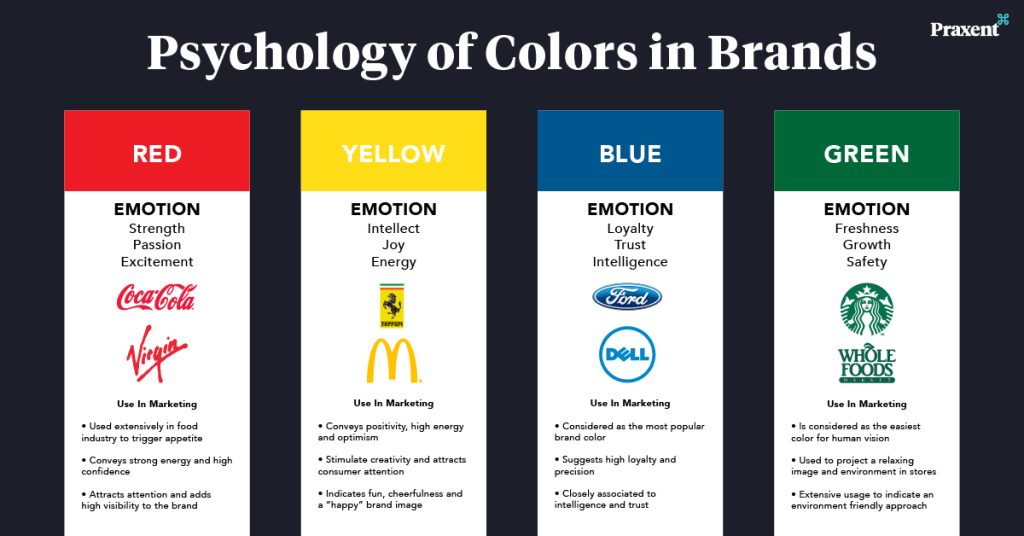
- Color. Does your brand feel premium, trustworthy, energetic, or cheap?
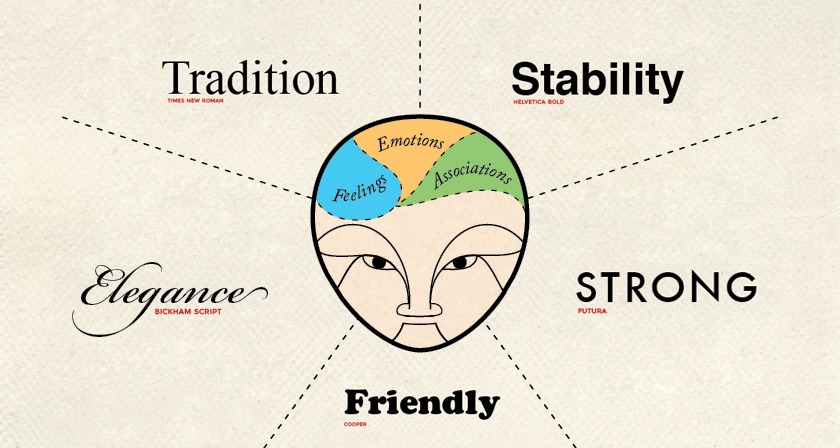
- Typography. Does your brand look professional or poorly designed?
- Layout. Is the content clean and easy to scan, or cluttered and overwhelming?
- Imagery. Does it look like a real business or a stock photo graveyard?
This is where the role of design in marketing becomes critical.
Your brand is judged instantly, and that judgment affects everything that comes next.
Poor design communicates:
- Low quality
- Lack of professionalism
- Unreliable service
Even if your product is world-class.
Strong design communicates:
- Confidence
- Credibility
- Professionalism
- Trust
It silently tells customers:
“We know what we’re doing. You’re in good hands.”
How Design Builds (or Destroys) Trust
Trust is visual before it’s logical.
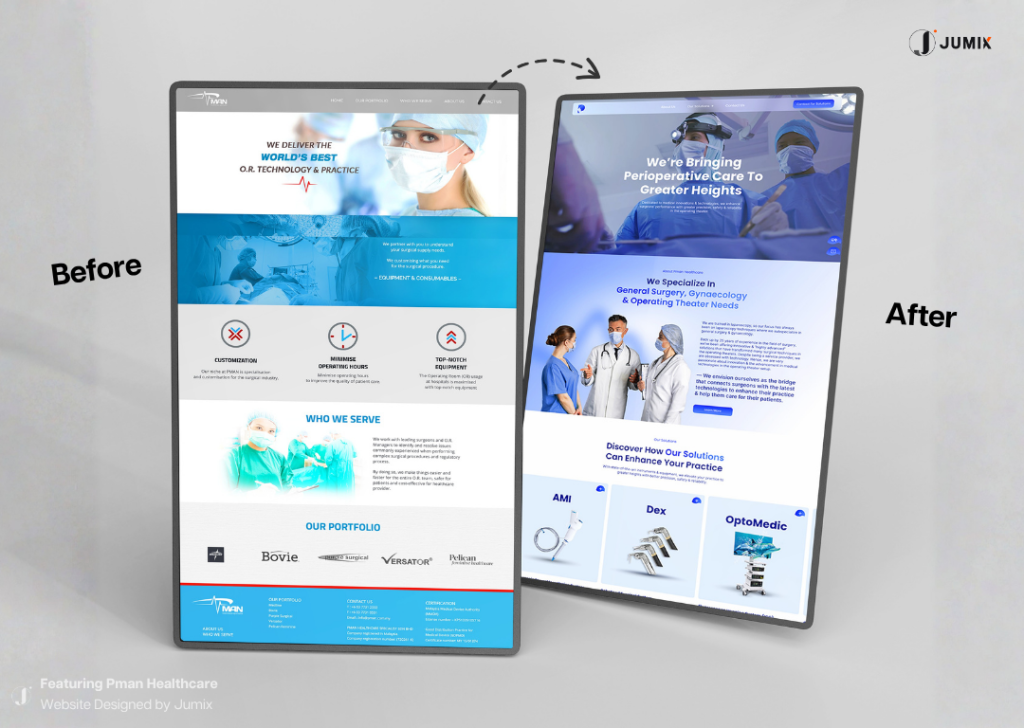
When users land on outdated or inconsistent websites, they immediately notice:
- Mismatched fonts
- Random colors
- Confusing layout
- Low‑quality images
This creates uncertainty.
And uncertainty kills conversions.
Consistent design signals:
- Reliability. Attention to detail
- Professionalism. Investment in brand presence
- Credibility. Serious business operations
Inconsistent design does the opposite.
This is especially important when you consider that branding and web design work together to shape customer perception.
If your:
- Instagram looks different from your website
- Ads look different from landing pages
- Brand colors change frequently
Customers feel uncertain.
And uncertain customers don’t buy.
The role of design in marketing is especially important in building credibility through consistency.
How Design Impacts Conversion Rates
Design is not just visual. It’s functional.
Good design removes friction.
Bad design creates friction.
Friction reduces conversions.
Here’s where it directly impacts your bottom line.
UX Design
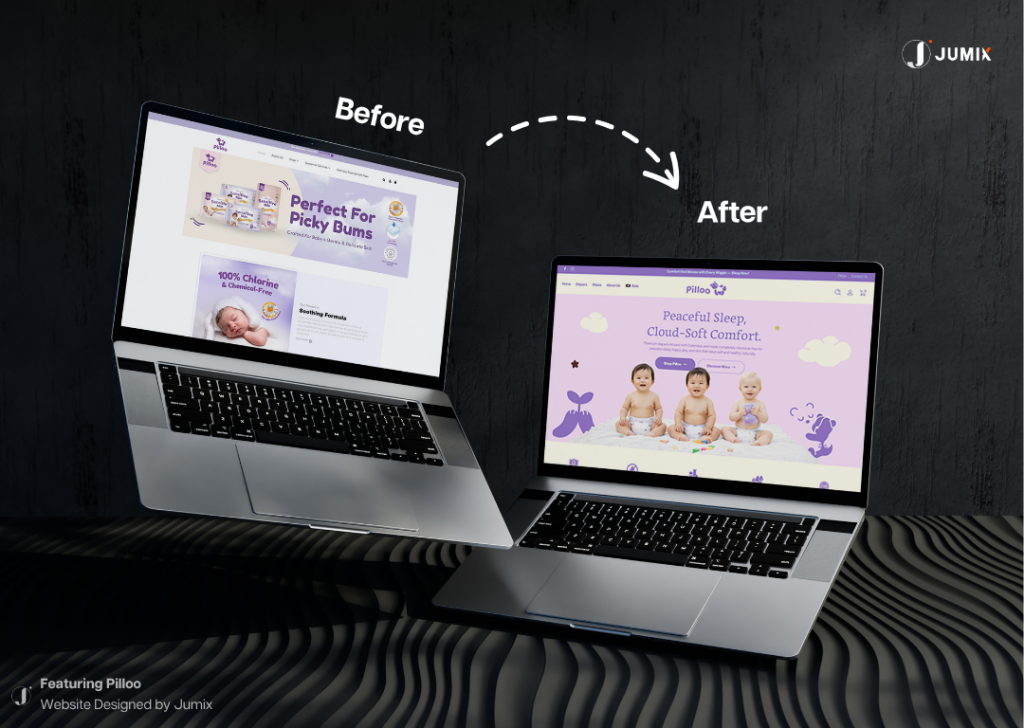
User Experience (UX) design is about making it easy for visitors to take action.
Bad UX looks like:
- Confusing navigation
- Poor mobile experience
- Too many checkout steps
- Slow-loading pages
For a deep dive, read the 7 UI/UX rules your users hate you for ignoring.
Good UX:
- Guides users clearly
- Reduces clicks
- Makes decisions easier
- Improves conversion rates
It anticipates what users need and places it exactly where they expect it.
Every extra click
Every moment of confusion
Every “Where do I go next?”
Is a conversion killer.
This is why the role of design in marketing goes beyond aesthetics, it’s functional sales infrastructure.
CTA Design
Your call-to-action (CTA) is one of the most important design elements.
Small design changes can dramatically impact conversions:
- Color contrast. Does it stand out?
- Size. Is it visible but not aggressive?
- Copy. “Get My Free Quote” vs “Submit”
- Placement. Is it positioned naturally?
- Whitespace. Does it have breathing room?
Example:
“Get My Free Quote” often outperforms “Submit”
Design makes your CTA visible and compelling.
Invisible CTAs = invisible revenue.
This is where the role of design in marketing directly affects sales performance.
Layout Psychology
People don’t read websites, they scan them.
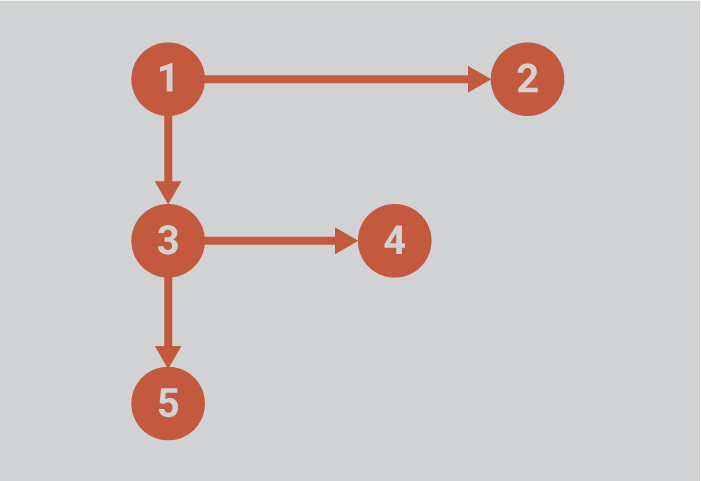
Effective design follows natural scanning patterns:
- F-pattern scanning. Eyes move left-to-right, then down (Nielsen Norman Group)
- Visual hierarchy. Headline → Benefits → CTA
- White space. Reduces cognitive load
- Above-the-fold content. Communicates value immediately
When layout design works, visitors naturally move toward conversion.
When it doesn’t, they leave.
Design Across Different Marketing Channels
The role of design in marketing extends across every customer touchpoint.
Website Design
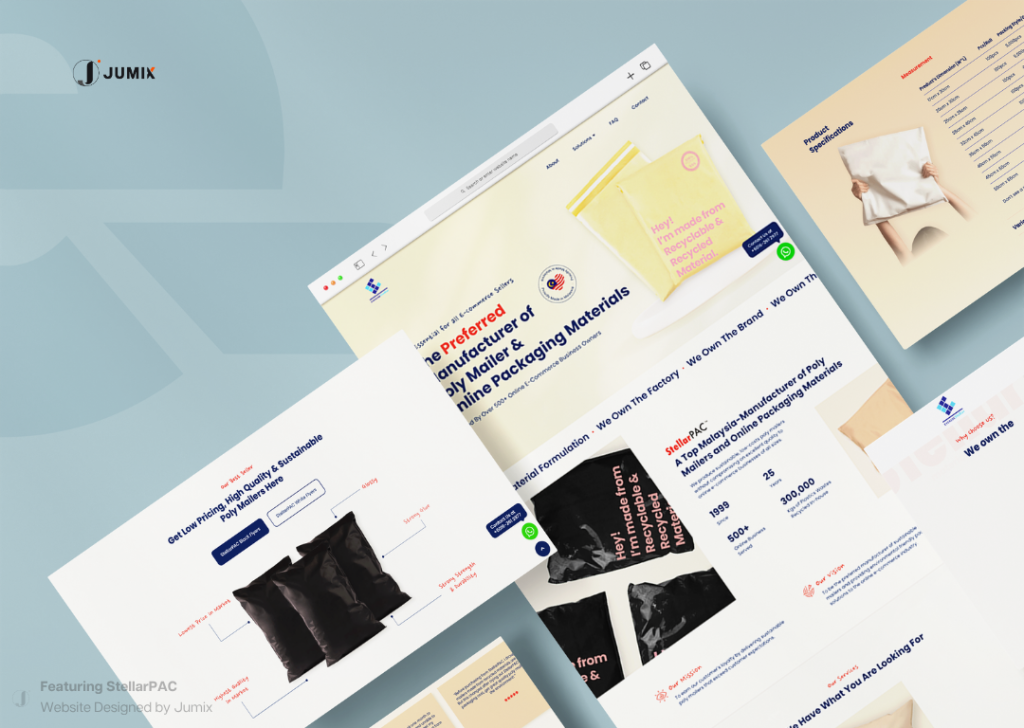
Your website is the center of your marketing ecosystem.
Every:
- Google search
- Social media post
- Paid ad
- Email campaign
Eventually leads back to your website.
Strong website design includes:
- Fast loading speed
- Mobile-first experience
- Clear value proposition
- Logical user journey
- Consistent branding
A well-designed website isn’t just visually appealing, it’s a sales engine working 24/7.
If you’re unsure whether to build from scratch or refresh what you have, the guide on website redesign vs new website for Malaysian businesses is a useful starting point.
Ad Design
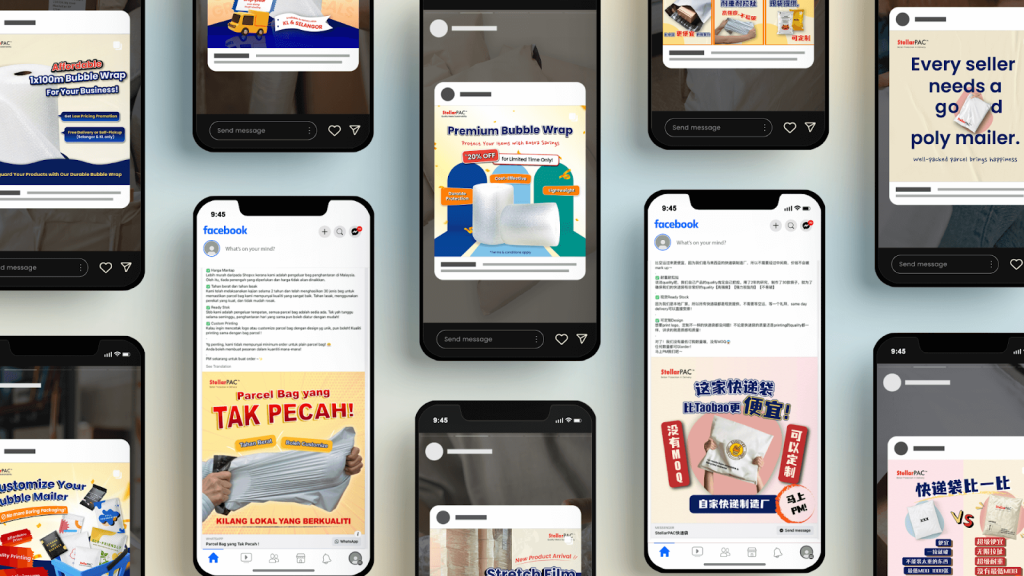
Digital ads compete for attention in crowded feeds.
Your design must:
- Use bold visuals
- Communicates value instantly
- Match platform aesthetics
- Guide attention to CTA
Weak ad design wastes ad budget.
Strong ad design converts impressions into leads and sales.
This is another clear example of the role of design in marketing affecting ROI.
For context on balancing ad investment with organic growth, see whether Malaysian businesses should focus on SEO or paid ads first.
Social Media Design
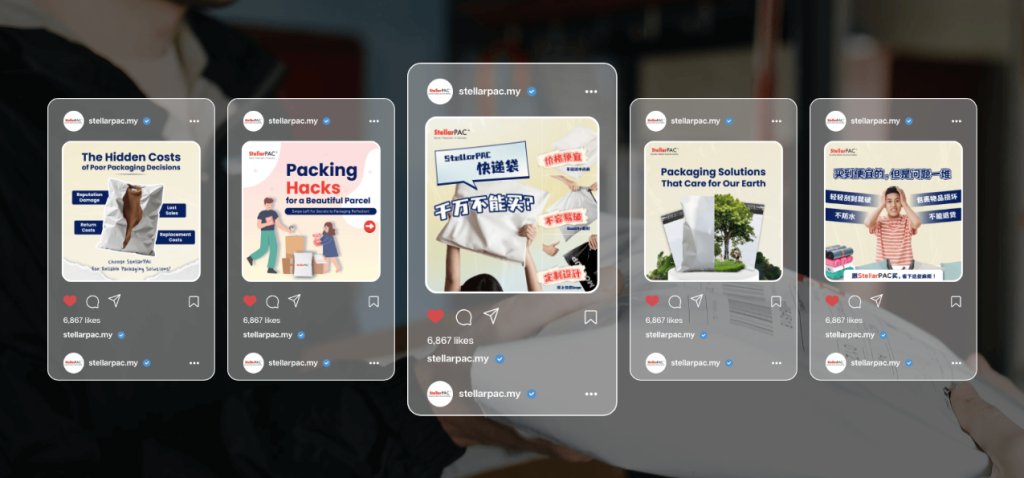
Consistency builds recognition.
When users instantly recognize your post without seeing your name, that’s strong brand design.
Strong social design includes:
- Consistent color palette
- Recognizable visual style
- Consistent typography
- Cohesive templates
Consistent brands:
- Build trust faster
- Grow audiences faster
- Convert better
Platforms like XHS (Xiaohongshu) are increasingly relevant for Malaysian businesses, discover 8 XHS posting hacks to double your sales.
Common Design Mistakes Businesses Make
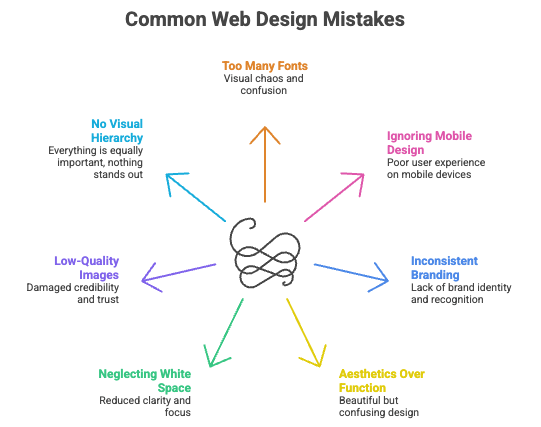
Even established brands make these mistakes.
Here’s what to watch for:
1. Using Too Many Fonts
More than two fonts creates visual chaos.
Stick to one for headings and one for body text.
2. Ignoring Mobile Design
Mobile-first is no longer optional, it’s standard.
See the 2026 mobile-first web design guide for Malaysia.
3. Inconsistent Branding
Your website, ads, and social media should feel like one brand.
4. Choosing Aesthetics Over Function
Beautiful but confusing design hurts conversions.
5. Neglecting White Space
White space improves clarity and focus.
6. Using Low-Quality Images
Low-quality visuals damage credibility instantly.
7. No Visual Hierarchy
If everything is important, nothing is.
Each of these mistakes weakens the role of design in marketing and reduces conversion performance.
For a thorough review of errors that hold Malaysian businesses back, read common website mistakes found after 600 Malaysian projects.
Poor vs Strong Design Comparison
| Poor Design | Strong Design |
| Cluttered layout | Clean hierarchy |
| Low‑quality images | Professional visuals |
| Confusing navigation | Simple UX |
| Inconsistent branding | Unified brand identity |
| Weak CTA visibility | Clear conversion path |
How Malaysian Businesses Can Improve Marketing Through Design
The role of design in marketing is especially important for Malaysian businesses competing in a digital-first market.
Here’s a practical roadmap.
Start With a Brand Audit
Review your:
- Website
- Social media
- Ads
- Marketing materials
Do they look consistent?
If not, that’s your first opportunity.
Understanding how web design affects digital marketing is a good grounding before you begin.
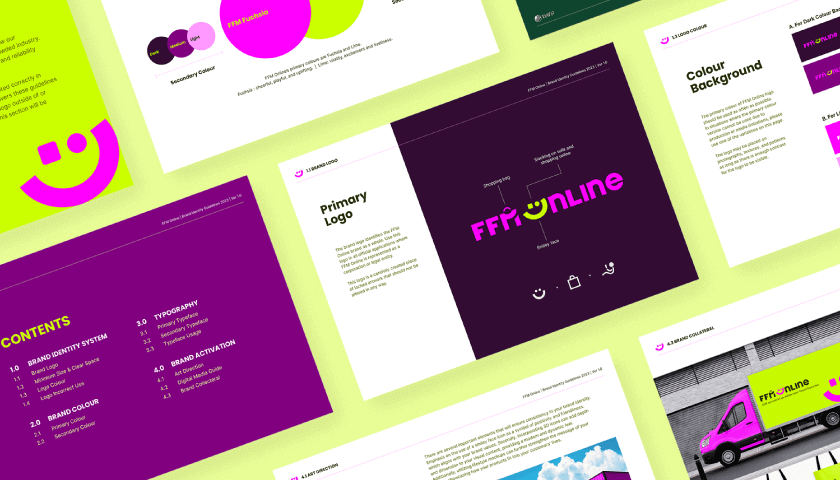
Create a Brand Style Guide
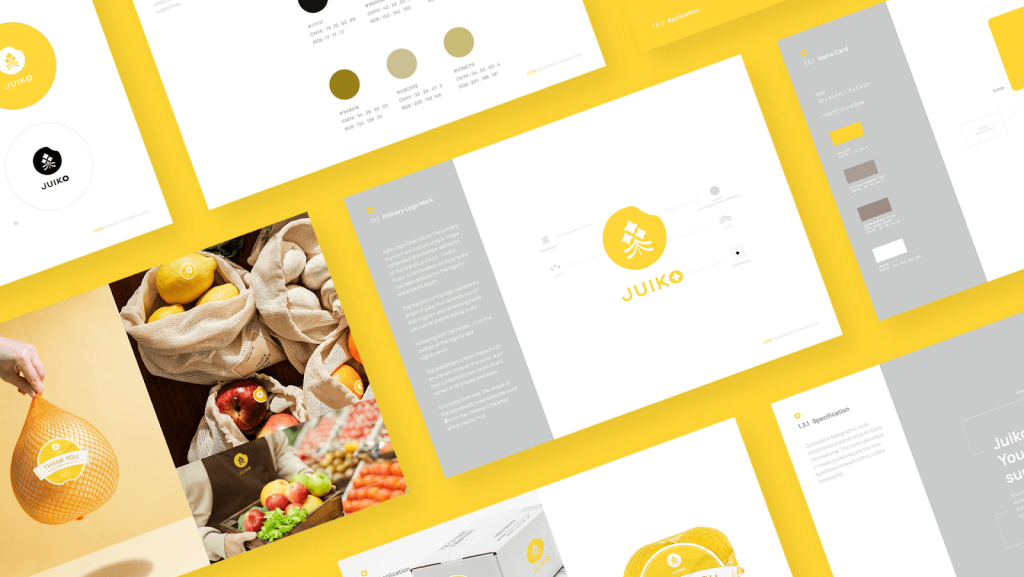
Even a simple brand guide helps:
- Brand colors
- Typography
- Logo usage
- Tone of voice
Consistency improves immediately.
Prioritize Mobile Experience
Malaysia has high smartphone penetration.
If your mobile experience is poor, you’re losing customers daily.
Test Your CTAs
A/B testing:
- Button color
- Copy
- Placement
Small improvements compound into large revenue gains.
Understand the full conversion rate optimisation picture in digital marketing to make data-driven decisions.
Treat Design as an Ongoing Investment
Design isn’t a one-time project.
Regular:
- Audits
- Improvements
- Refreshes
Keep your brand competitive.
Work With Designers Who Understand Marketing
Not all designers understand:
- Conversion optimization
- UX strategy
- Brand positioning
Look for designers who understand both design and marketing.
That’s where the role of design in marketing delivers the strongest results.
Explore what makes a web design agency great at brand development in Malaysia, and use the evaluation framework for choosing the best web design company in Malaysia to find the right partner.
The Bottom Line
The role of design in marketing is not decorative, it’s strategic.
It’s the difference between:
- A brand people trust vs ignore
- Ads that convert vs waste budget
- Websites that sell vs confuse
For Malaysian businesses, investing in design isn’t about looking better.
It’s about:
- Growing faster
- Converting better
- Building long-term brand equity
If your design isn’t working as hard as your marketing, that’s the first place to improve.
Looking to improve your brand’s design and marketing performance?
Explore Jumix branding services, web design solutions, and digital marketing packages to see how we can help your business grow.
Frequently Asked Questions
What’s the difference between branding and marketing design?
Branding design builds identity. Marketing design applies that identity across campaigns. Both are essential.
See why Malaysian companies need both branding and web design.
Can good design overcome a bad product?
No. But bad design can destroy a good product. Design attracts. Product retains.
Why do some businesses struggle with design consistency?
Most lack brand guidelines. Without defined:
- Brand colors
- Typography
- Visual style
- Design rules
Different teams create inconsistent materials. Consistency improves recognition and trust.
How do I measure the ROI of better design?
Track metrics like conversion rate, time on site, bounce rate, and direct revenue before and after design improvements. For a comprehensive framework, see how to measure ROI of your website and digital marketing in Malaysia.






Comments are closed for this article!