



A high-converting Malaysian website is a site that:
- Establishes local trust within the first 3 seconds
- Reduces decision process through familiar UX patterns
- Aligns layout, language, and payment options with Malaysian consumer expectations
- Converts mobile users efficiently, as mobile represents the dominant traffic source
After years of breaking down high converting website Malaysia case studies, one truth becomes very clear:
Malaysian customers don’t convert by luck.
They convert when everything feels right.
Not flashy.
Not clever.
Not “award-winning”.
Right.
Right for how Malaysians think, browse, compare, and decide.
Let me show you exactly what actually works, based on real data, real behavior, and real Malaysian users.
Understanding Malaysian Consumer Behavior Online
Malaysian online shoppers typically:
- Research extensively before purchasing
- Compare multiple sellers across platforms
- Seek social validation through reviews and peer recommendations
- Prefer businesses that appear locally established
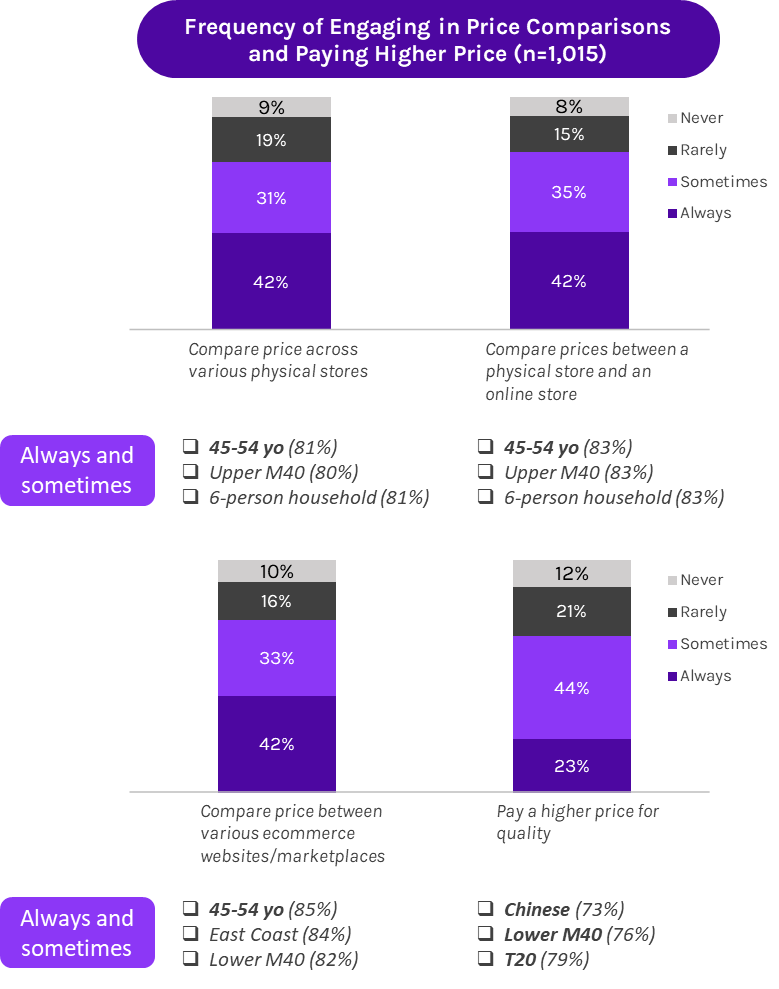
According to Vodus’ proprietary OMTOS online survey, 42% of consumers in Malaysia compare prices before making a purchase.
Before clicking “Buy Now”, most Malaysian users:
- Scroll directly to reviews (especially negative ones)
- Look for a Malaysian phone number (+60, 03, 04)
- Check for a real business presence in Malaysia
- Scan for FPX and local eWallet options
- Look for proof that other Malaysians have bought before
That’s not a theory.
That’s observed behavior.
This is the foundation of every high converting website Malaysia needs to respect.
Trust Signals That Convert Malaysian Visitors

1. Local Payment Methods
High-converting Malaysian websites display:
- FPX
- Touch ’n Go eWallet
- GrabPay
- Boost
These should appear above the fold, not in the footer.
If you’re building an ecommerce website in Malaysia, integrating these payment gateways isn’t just convenient, it’s conversion-critical.
2. Malaysian Business Registration (SSM)
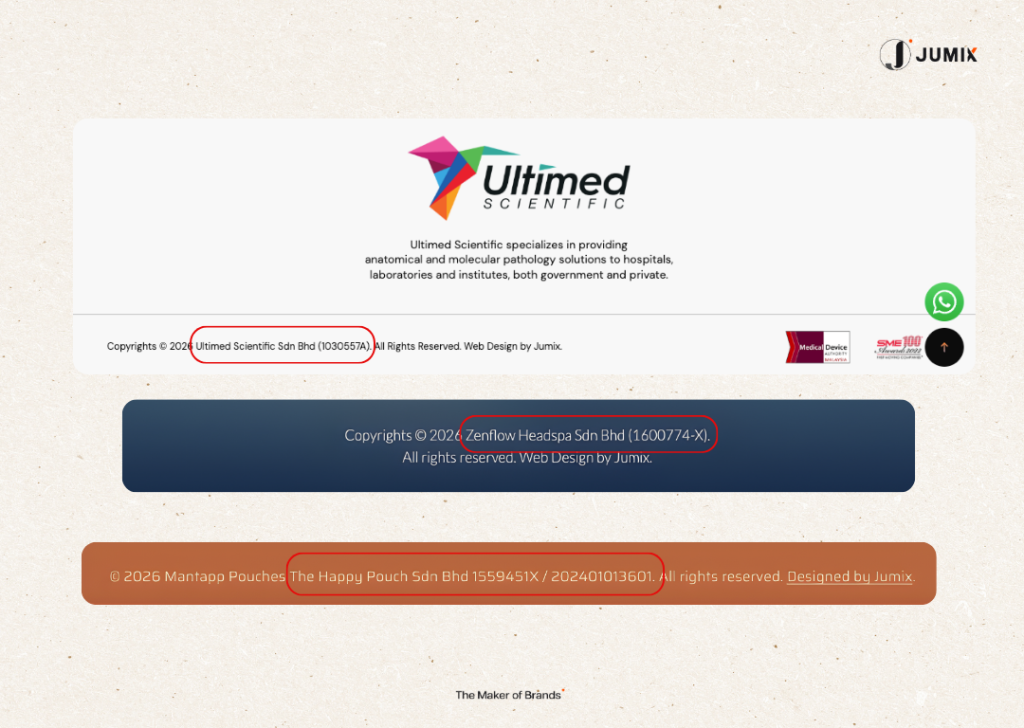
Displaying an SSM registration number:
- Signals legitimacy
- Differentiates real businesses from foreign dropshipping operations
- Increases buyer confidence, especially for purchases above RM100
Learn more about the business website legal requirements Malaysia every owner must follow.
3. Malaysian Contact Information
Effective trust indicators include:
- Malaysian phone numbers (+60)
- Local area codes (03, 04)
- Click-to-call functionality on mobile
International numbers reduce trust for Malaysian buyers.
4. Localized Social Proof
High-performing testimonials include:
- Delivery locations (e.g., Selangor, Penang, Johor)
- Delivery timelines
- Real names or photos
5. Security & Data Protection Indicators
Effective signals:
- SSL certificates (baseline)
- Payment Card Industry Data Security Standard (PCI DSS) compliance
- Personal Data Protection Act (PDPA) awareness indicators
Malaysian users are increasingly sensitive to data security and privacy.
UX Layout Principles That Work in Malaysia
F‑Pattern Reading Behavior
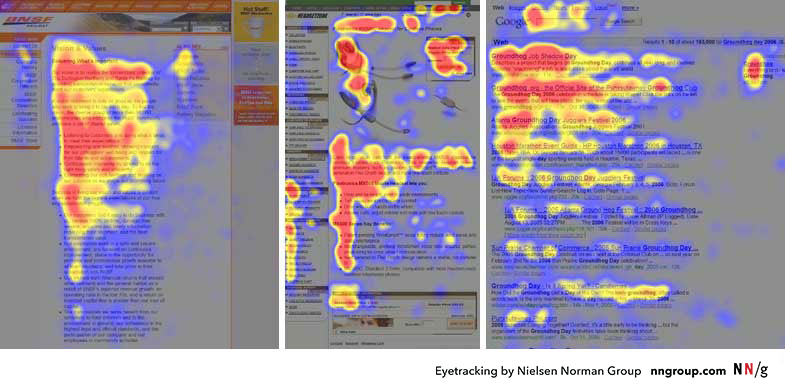
Malaysian users follow a predictable F‑pattern:
- Headline (top horizontal)
- Key benefits (left vertical)
- Supporting proof (secondary horizontal)
The value proposition must appear in the top‑left quadrant.
White Space & Visual Density
- Cluttered layouts reduce trust
- Adequate spacing improves comprehension
- Clean layouts consistently outperform dense designs in Malaysian markets
Clean design ≠ boring. Clean design = faster decisions.
Following current web design trends in Malaysia for 2026, minimalist approaches with strategic white space are dominating high-performing sites.
Visual Hierarchy That Converts
Effective flow:
Headline → Subheadline → Visual → CTA → Supporting Benefits
Users should never search for the next step.
Sticky Navigation

Sticky menus reduce friction because Malaysian users:
- Frequently move between categories
- Compare options before committing
Image‑First Content Structure
Above the fold for Malaysian audiences:
- ~60% visuals
- ~40% concise copy
Images capture attention. Words close the deal.
This principle is central to mobile-first web design in Malaysia.
Language & Tone Optimization for Malaysian Audiences

Conversational Tone Over Corporate Language
Malaysian users respond better to:
- Friendly, human phrasing
- Casual reassurance
- Simple explanations
Overly corporate language reduces trust.
“Let’s get you the best deal”
beats
“We provide optimal solutions”
Every time.
Localized Expressions

Light use of familiar phrasing increases relatability:
- “No hidden charges”
- “Fast delivery”
- “Order today, receive tomorrow”
Avoid forced slang or poor translations.
Avoid Direct Translation
Direct translations often feel unnatural.
Native localization outperforms literal translation in trust and clarity.
Mobile-First UX for Malaysian Users
Over 99.5% of Malaysians browse primarily on mobile (Department of Statistics Malaysia).
If your high converting website Malaysia isn’t designed mobile-first, you’re bleeding conversions daily.
Thumb‑Friendly Design
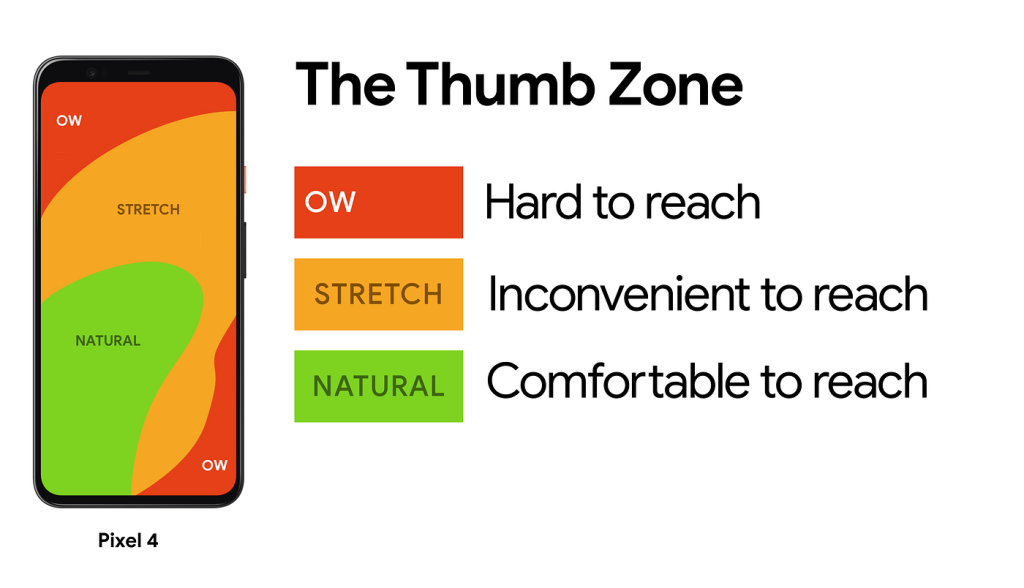
- CTAs placed in the bottom third of the screen
- Designed for one‑handed use (LRT, Grab rides)
- Minimum button size: 44 × 44 px
Load Speed Benchmarks
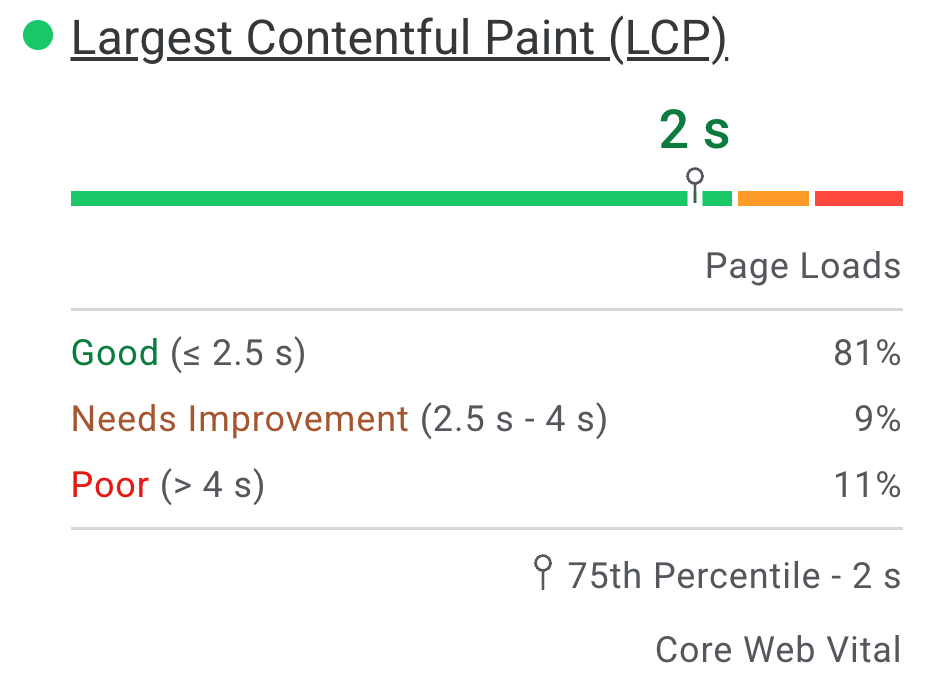
- Under 4 seconds: acceptable
- Under 2.5 seconds: excellent
Each additional second of load time can impact conversion by up to 20% in retail (Google).
Malaysia’s internet speed varies wildly.
Design for the slowest user, not the fastest.
Compress images.
Use lazy loading.
Simplified Mobile Forms
- Every additional form field reduces conversion
- Enable autofill
- Offer social login where relevant
CTA Placement Strategy That Drives Action

Above-the-Fold Primary CTA
Primary action must be visible immediately:
- “Get Free Quote”
- “Shop Now”
- “Book Consultation”
Repeated CTAs on Long Pages
Place CTAs:
- Every 2–3 scroll depths
- After key persuasion sections
Users commit at different points.
Exit-Intent Recovery

Exit-intent offers can recover abandoning users when:
- Incentives are real
- Messaging is clear and local
Real Examples from High-Converting Malaysian Websites
These results aren’t accidental.
They’re the outcome of intentional UX, content, and conversion decisions made for Malaysian users.
At Jumix, every high converting website Malaysia project is designed around how Malaysians actually think, read, and decide.
YHL Cabinet

- Added clear CTA above the fold
- Showcased behind-the-scenes videos giving visitors insight into each cabinet’s journey
- Explained the advantages of materials in plain, easy-to-understand English
- Showcased testimonials from satisfied homeowners
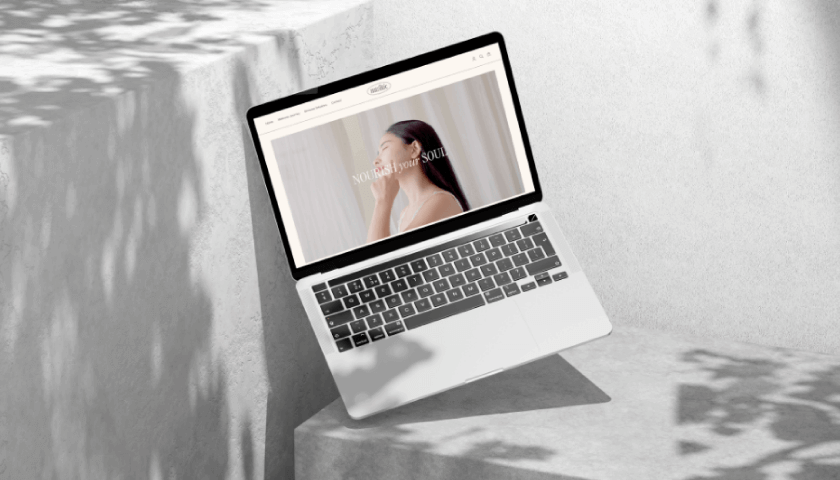
Natural Core

- Replaced corporate eCommerce language with heartfelt storytelling
- Restructured the layout with increased white space
- Structured the page to unfold the story step by step
Each of these projects was crafted with one goal in mind: to align design, tone, and structure with Malaysian user behaviour, the foundation of every high converting website Malaysia built by Jumix.
Your Next Steps: Implementing These UX Changes
Week 1
Week 2
Week 3
Week 4
The best high converting website Malaysia isn’t built on guesswork, it’s built on deep understanding of Malaysian users.
Now go implement.
Frequently Asked Questions
What conversion rate should I expect for a Malaysian website?
E-commerce: 2.5%–3% average (Shopify).
B2B: Around 1.4% (Shopify).
Below 1% usually signals serious UX issues.
How important are reviews for Malaysian customers?
Yes. According to TheStar, 73% read reviews before buying. Local photos and delivery mentions increase trust.
How can I reduce shopping cart abandonment for Malaysian customers?
- Upfront pricing
- Multiple local payments
- WhatsApp reminders
- Max 3‑step checkout
- Visible security reassurance
Do Malaysian users respond to urgency tactics like countdown timers?
Yes, when real. Fake urgency damages trust fast. Combine with local social proof for best results.







Comments are closed for this article!