



The right branding agency in Malaysia builds a strategy before touching a single design element. It shows recent work with visible thinking behind it, and puts full ownership of your files and marks in writing. Check portfolio dates, ask how strategy is priced separately from design, and confirm the IP transfer clause before you pay a deposit.
- Quick Takeaways
- What a Branding Agency Actually Does
- Portfolio Red Flags to Check First
- Freelancer vs Boutique vs Full-Service
- Questions to Ask Before You Pay a Deposit
- Who Owns the Logo After the Contract Ends
- Common Mistakes to Avoid
- FAQ
Quick Takeaways
- A branding agency in Malaysia builds positioning and messaging before visual design. A logo freelancer usually skips straight to visuals.
- Trademark registration at MyIPO costs RM950 per class, separate from any agency design fee (Source: MyIPO, 2026).
- Check the agency’s own SSM registration before you check its portfolio.
- Get the IP transfer clause in writing before you pay a deposit, not after the final invoice.
- A quick check on SSM’s official portal confirms whether the agency itself is even a registered business before you pay a deposit.
I’ve sat on both sides of this decision. Clients have hired Jumix after a bad branding experience elsewhere. I’ve also watched competitors win pitches on a mood board with no strategy underneath it.
A branding agency in Malaysia should earn your money on a framework, not a font choice. Here’s how to check that before you sign anything.
What a Branding Agency Actually Does
Most Malaysian business owners use “branding” and “logo design” as the same word. They aren’t.
A logo freelancer or print shop takes a brief and returns files. A branding agency starts earlier.
It asks who you’re actually competing against. Why should a customer pick you over them, and what should that difference feel like across every touchpoint? Only then does visual work start.
The deliverable list tells you which one you’re hiring. A freelancer hands over a logo file and calls it done.
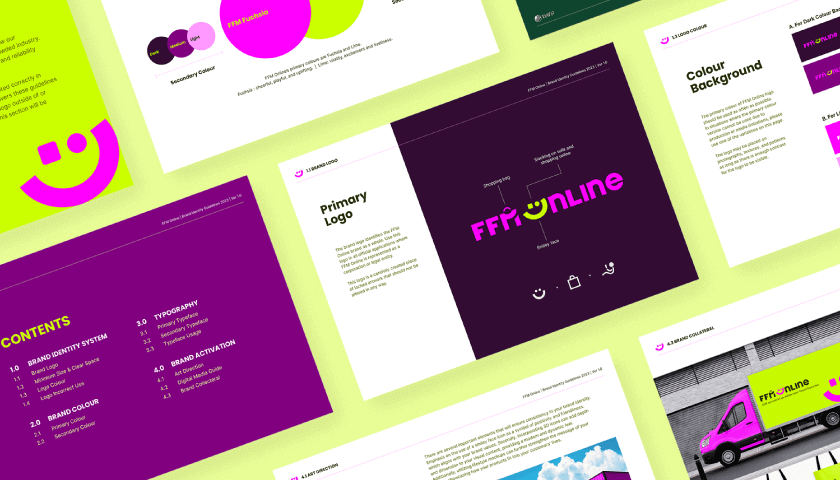
An agency hands over a positioning statement, a visual system, usage guidelines, and the reasoning behind every choice in it. That reasoning is what your next designer, printer, or ad agency will need in five years.
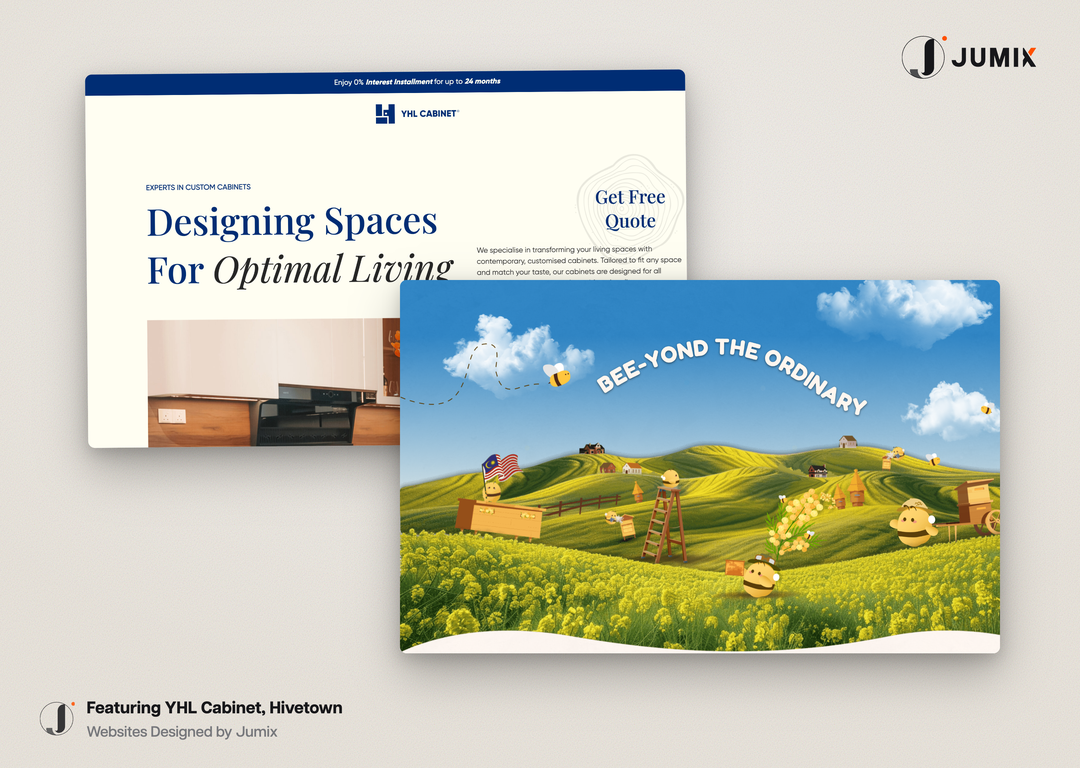
Take YHL Cabinet. Every custom cabinetry brand in Malaysia shows the same glossy kitchen renders.
We built their brand around process transparency instead. Behind-the-scenes fabrication, material selection, and the low-formaldehyde story that actually mattered to homeowners making a five-figure decision. That’s a strategy call.
HiveTown is the same idea from another angle.
A founding team with strong product instincts still needed a mascot system. They needed a visual language that matched a premium beverage brand, built on their own positioning rather than a generic FMCG template. Get the strategy piece right first, and every design decision after that gets faster.
Portfolio Red Flags to Check First
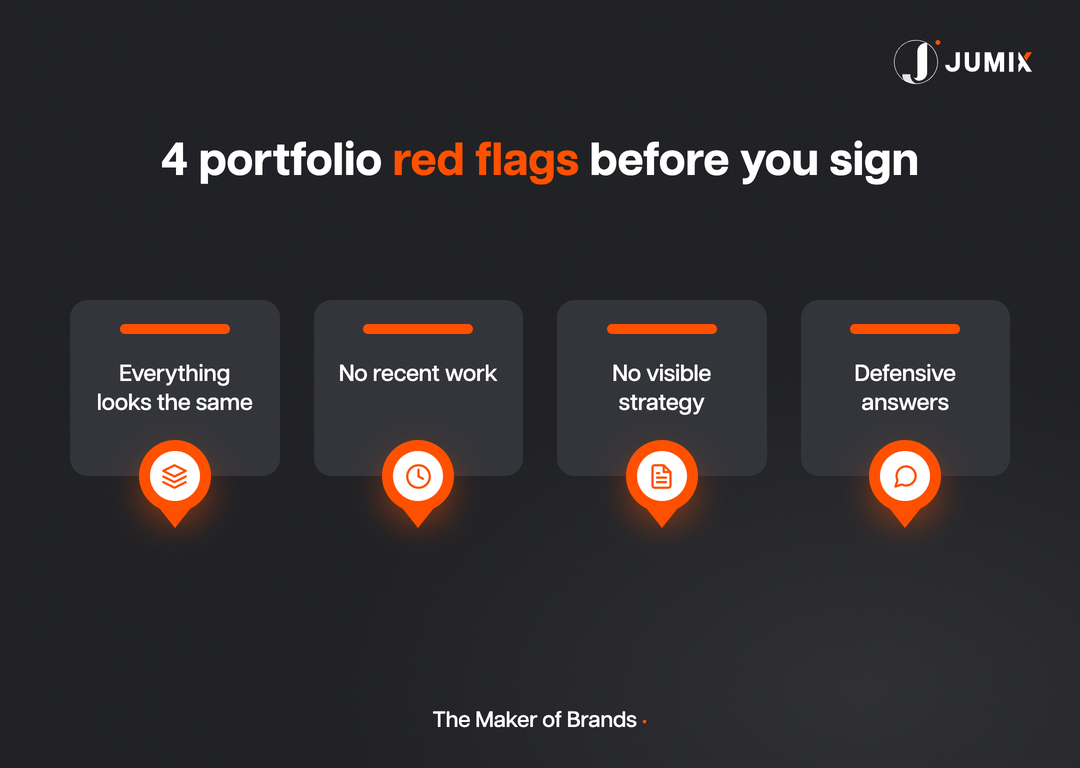
You can rule out most bad hires from the portfolio page alone, before a single call.
Everything looks the same. If ten different clients all got the same three-color gradient and the same rounded logo mark, that’s a template with the client name swapped out.
No recent work. Trends move, tools move, and client expectations move with them. A portfolio with nothing from the past 12 to 18 months tells you the agency isn’t getting hired much lately. Ask why.
No visible strategy. Ask what the brief was and what problem the design solved. If the answer is a shrug and “we made it look nice,” the strategy layer never existed. You’re paying design prices for decoration.
Defensive answers. A real branding partner explains their reasoning and welcomes a pushback question. An agency that gets prickly when you ask “why this color” is telling you how future revisions will go.
Freelancer, Boutique Studio, or Full-Service Agency
None of these three is automatically the right answer. The right one depends on what you’re actually solving.
| Type | Strategy Work | Deliverables | Typical Price Range | Best For |
|---|---|---|---|---|
| Freelancer or print shop | Rarely included | Logo file, maybe a color code | RM300–RM1,500 | A quick sole-proprietor logo with no growth ambitions |
| Boutique branding studio | Light positioning session | Logo system, brand colors, basic guideline sheet | RM3,000–RM12,000 | SMEs rebranding once revenue justifies it |
| Full-service agency | Positioning, messaging, research | Full identity system, brand book, website-ready assets | RM12,000–RM50,000+ | Businesses raising prices, expanding, or fixing a trust problem |
These are ranges, not quotes. For the full cost breakdown by scope, read our branding cost guide for Malaysia.
The mistake I see most is a business paying full-service prices for boutique-level thinking. The reverse happens too: a full identity system handed to a freelancer who was only ever set up to deliver a logo. Match the scope to the type first, then match the price to your budget.
Questions to Ask Before You Pay a Deposit

Ask these five questions before you sign. Pay attention to the tone of the answers as much as the content.
- What happens before the first design concept? If the answer isn’t research, positioning, or a workshop, you’re buying decoration.
- How many rounds of revision are included, and what’s the cost per extra round?
- Who owns the final files, source files, and any custom fonts once the project closes?
- What’s the delivery timeline, and what happens if it slips?
- Can I speak to a client whose brand launched more than a year ago, not just a recent one?
That last question matters more than it sounds. Anyone can make a brand look good on launch day.
The real test is whether it still holds up, and still gets used correctly, a year later.
The same logic applies if you’re hiring a web design partner alongside your rebrand. Our web design company evaluation framework runs through a near-identical set of checks.
Who Owns the Logo After the Contract Ends

This is the clause most business owners skip, and the one that costs the most to fix later.
Get it in writing that full ownership of the final logo, the editable source files, and any custom typefaces transfers to you on final payment.
Vague wording like “commercial rights included” usually describes a license. Licenses can carry limits on edits, resale, or future use that only surface when you try to hand the files to a new designer.
Registering the mark itself is a separate step the agency doesn’t usually handle. Trademark filing at MyIPO runs RM950 per class on the pre-approved goods and services list, or RM1,100 per class if it isn’t (Source: MyIPO, 2026).
Budget for that as a separate line item once the identity is locked, not as something bundled into the design fee.
One more check most people never think to run: verify the agency itself. A quick search on SSM’s official portal confirms whether the company you’re about to pay a deposit to is even a registered business in Malaysia.
It takes two minutes, and it’s caught more than a few businesses before they wired money to a shell.
Common Mistakes to Avoid
I’ve watched these patterns repeat across a lot of first-time branding hires.
Choosing on price alone. The cheapest quote is rarely the cheapest outcome. I’ve seen businesses rebrand twice within three years because the first identity wasn’t built with growth in mind.
Treating branding as a one-off expense. A logo file sitting in a folder does nothing for your business. A brand system that gets used consistently across Shopee, Instagram, your storefront, and your invoices is what actually builds recognition.
Hiring based on the mood board, not the reasoning. A pretty first-round concept feels great in the pitch meeting. Ask why each element is there before you say yes, because you’ll be living with the answer for years.
Skipping the guidelines document. Without one, every new hire, printer, or ad platform interprets your brand a little differently. The consistency you paid for erodes within a year. A proper brand book should be a required deliverable.
FAQ
How much does a branding agency cost in Malaysia?
Freelance logo work starts around RM300. A full identity system from a full-service agency typically runs RM12,000 to RM50,000 or more, depending on scope. See our branding cost breakdown for tier-by-tier pricing.
What’s the difference between branding and a logo?
A logo is one visual mark. Branding is the positioning, messaging, and visual system behind it, plus the guidelines that keep it consistent everywhere it appears.
How long does a branding project take?
A boutique-level project usually takes 3 to 6 weeks. A full-service identity system with research and a brand book can run 6 to 12 weeks, depending on how many stakeholders need to sign off.
Do I own my logo after the agency delivers it?
Only if the contract says so explicitly. Confirm the IP transfer clause and the delivery of editable source files before final payment, not after.
Should a small business hire a freelancer or an agency?
If you need a simple logo and nothing else, a freelancer is fine. If you’re raising prices, expanding beyond one channel, or fixing a trust problem, the strategy work an agency does is what makes the design hold up under that pressure.
Before You Sign
Branding is the reason a customer picks you even when you’re more expensive than the business next door.
Pick a branding agency in Malaysia the way you’d vet any partner you’re trusting with your business identity. Check the portfolio dates. Ask where the strategy sits. Get the ownership clause in writing before the deposit clears.
If you’re weighing that decision right now, Jumix’s branding team is happy to walk through what a real positioning-first process looks like, no obligation attached.





Comments are closed for this article!