




Building an ecommerce website Malaysia businesses can profit from is no longer about uploading products and praying for sales.
I’ve seen too many Malaysian online stores launch with high hopes, only to burn money because:
- They picked the wrong payment gateway
- Their mobile experience was terrible
- Their checkout scared customers away
- Their site looked like it was stuck in 2015
Let’s fix that.
This is the only 2026 ecommerce guide you need, built from real Malaysian data, real conversions, and real mistakes I’ve personally watched SMEs make.
Why Malaysian eCommerce Is Exploding (And Why You Need To Move Fast)
Malaysia’s e-commerce sales hit RM937.5 billion in the first nine months of 2025, up 1.9% from 2024 (Department of Statistics Malaysia).
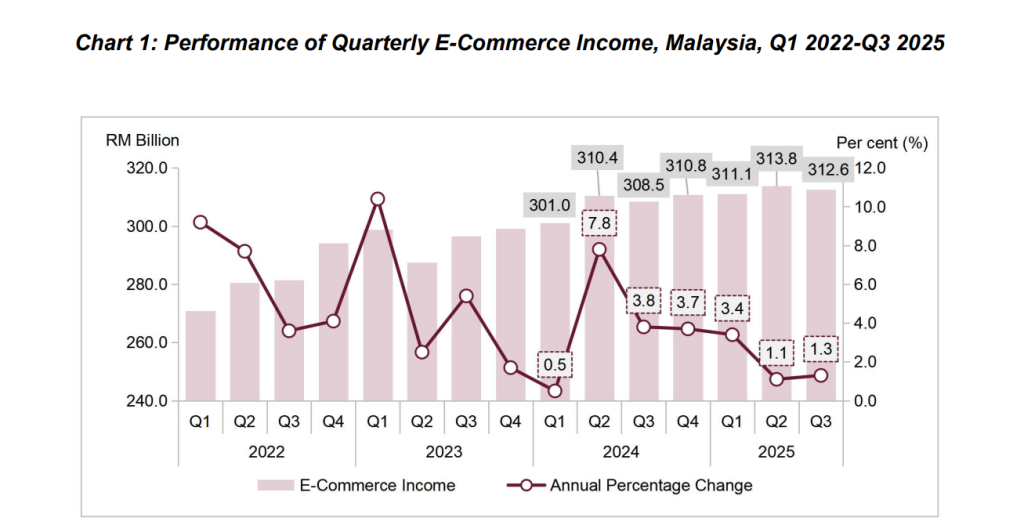
Here’s the fuel behind the boom:
1. Mobile Commerce Dominates
- 99.5% of Malaysians browse on mobile (Department of Statistics Malaysia).
- If your mobile site loads slow, they’re gone
- If your checkout button is too small, they’re gone
Understanding mobile-first web design in Malaysia is no longer optional, it’s critical.
2. Cross-Border Purchases
People want global brands delivered locally, fashion, electronics, beauty.
3. Social Commerce
TikTok Shop, Instagram Shopping, and live streams are becoming standard.
Learn how marketing agencies for social media help brands go viral.
4. Same-Day Delivery Expectations
People want it now. Not next week.
The competition is brutal.
Your ecommerce website Malaysia customers visit must:
- Load fast
- Checkout even faster
- Accept the payment methods Malaysians actually use
Miss any of these? Good luck keeping them.
Payment Gateways: The Make-Or-Break Decision For Your eCommerce Website Malaysia Store
A store that only accepts credit cards may miss out on sales.
Malaysian shoppers have strong preferences, so you need to meet them where they are.
Popular Payment Gateways in Malaysia
Here’s the real breakdown of payment gateways that actually work in Malaysia:
| Payment Gateway | Transaction Fee | Setup Cost | Payment Methods |
| ADAPTIS (Previously known as iPay88 and eGHL) | 1% – 6% | From RM499 | Credit/Debit cards, FPX, e-wallets, Instalment, Buy Now Pay Later |
| Senangpay | 1% – 6% | From RM299 | FPX, cards, e-wallets, Buy Now Pay Later |
| Billplz | 1% – 6.5% | From RM0 | FPX, cards, e-wallets, Buy Now Pay Later, |
| Fiuu (Previously known as Razer Merchant Service) | 1.1% – 3.6% | From RM499 | Cards, e-wallets, Buy Now Pay Later, DuitNow, Alipay, FPX |
Payment Methods Malaysian Shoppers Actually Use
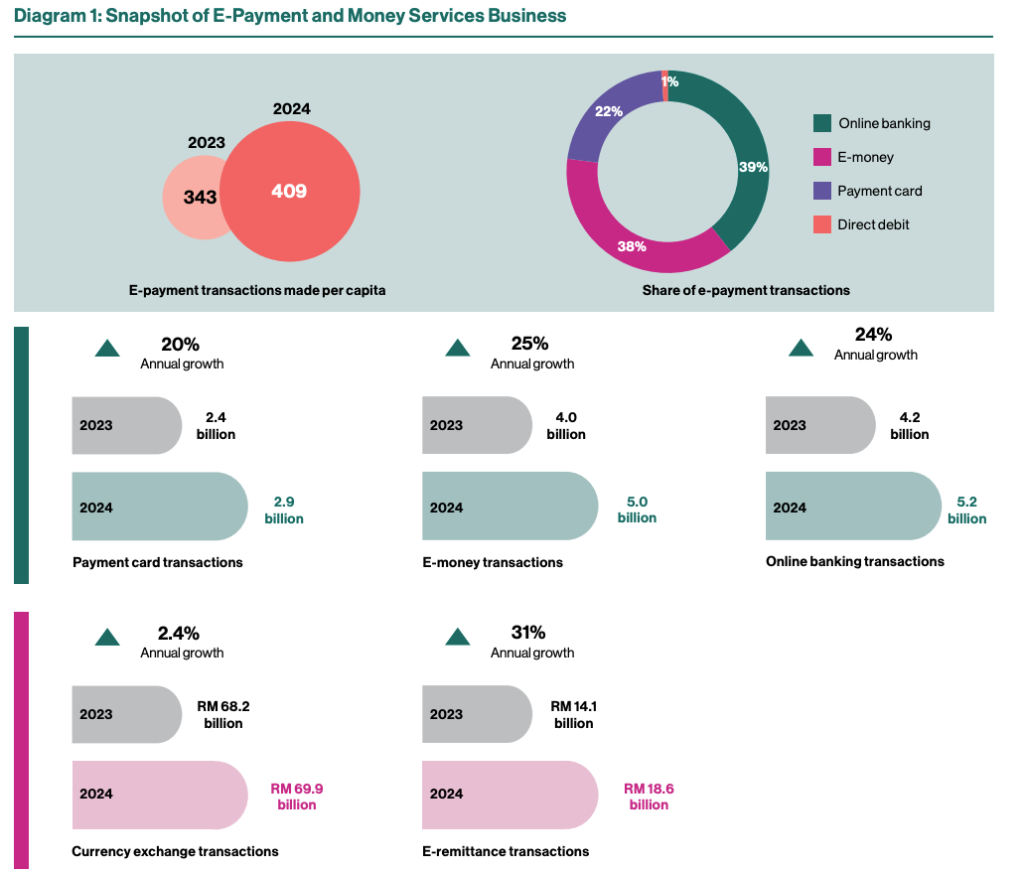
- FPX (online banking), the most widely used (Bank Negara Malaysia).
- Touch ‘n Go eWallet, covering 85% of Malaysia’s adult population.
- GrabPay. Popular with 25 to 40-year-olds.
- Credit/Debit cards. Essential for higher-value purchases.
- Buy Now Pay Later (BNPL). Atome, Pace; growing in electronics and fashion.
Tip: Offer at least 4 payment options. Anything less, and you’re leaving money on the table.
The Hidden Costs Nobody Talks About
Transaction fees aren’t the full picture. Some gateways also charge:
- Monthly/annual gateway fees
- Chargeback fees
- Settlement delays (3–7 days)
- Currency conversion fees (for international sales)
Choose a gateway that aligns with your business, not just the cheapest one.
Core Design Rules That Increase Conversions
Your website has about 3 seconds to impress a visitor. Here’s what works:
Mobile-First Checklist
- Loads in under 2 seconds
- Sticky checkout button
- Zoomable product images
- Clear shipping + return info above the fold
- 3-step checkout maximum
Pro tip: Test your site on 4G, not your office WiFi. That’s the real-world experience.
High-Converting Product Page Layout
- 5+ product images, multiple angles
- Clear price + promo price
- Stock level (“Only X left”)
- Delivery estimate
- Bullet-point specifications
- Customer reviews with photos
- Trust badges (SSL, secure checkout, return policy)
Skip the fluff, give buyers the info they need to decide fast.
Understanding UI/UX rules your users hate can save you from making expensive mistakes.
Navigation That Reduces Bounce Rate
- Mega menu for big catalogs
- Search bar with autocomplete
- Filters: price, size, color, brand
- Breadcrumbs for browsing clarity
- Sticky header with cart icon
2026 eCommerce Trends in Malaysia
AI-Powered Shopping
- Personalized product recommendations
- AI chatbots in EN + BM
- Visual search (“upload photo to find similar items”)
- Dynamic pricing
AI isn’t the future, it’s now.
Social Commerce Integration
- TikTok Shop product syncing
- Instagram Shopping tagging
- WhatsApp Business ordering
- Live shopping modules
Make buying seamless wherever your customers are.
Voice Search Optimization
With smart speakers on the rise:
- Use natural keywords (“best running shoes KL”)
- FAQ sections for common queries
- Local business schema
- Fast-loading mobile pages
Voice searches are different, make your content conversational.
Must-Have Features for Your Malaysian eCommerce Website

Before you launch, make sure your store has all these.
Missing even one can cost sales.
Customer Account Features
Repeat buyers spend 67% more (Forbes).
Make accounts worth it:
- Order history + tracking
- Saved addresses
- Wishlist
- Loyalty points dashboard
- Subscription management
Accounts should help sales, not block them.
Search Engine Optimization (SEO) Basics
Free traffic beats paid ads. Make sure your site:
- Custom meta titles + descriptions
- Clean URLs
- XML sitemap
- Fast mobile performance (<3 sec)
- Alt text on all images
- Schema markup (Article, Product, FAQ)
SEO isn’t optional, it’s how you get free visitors and sales.
Inventory Management System
Nothing kills momentum like out-of-stock items:
- Real-time stock sync
- Low stock alerts
- SKU/barcode support
- Demand forecasting
Manual tracking dies at 50+ products. Automate early.
Live Chat & Customer Support
Answer questions instantly or lose the sale:
- Live chat widget
- WhatsApp integration
- Auto-FAQ chatbot
- Multi-language support (BM + EN)
- “Typically replies within X minutes” badge
Every unanswered question = lost revenue.
Real Malaysian eCommerce Success Stories
Let me show you what’s actually working:
MH Gadget: Turning a Simple Product Catalog Into a High-Performing eCommerce Experience
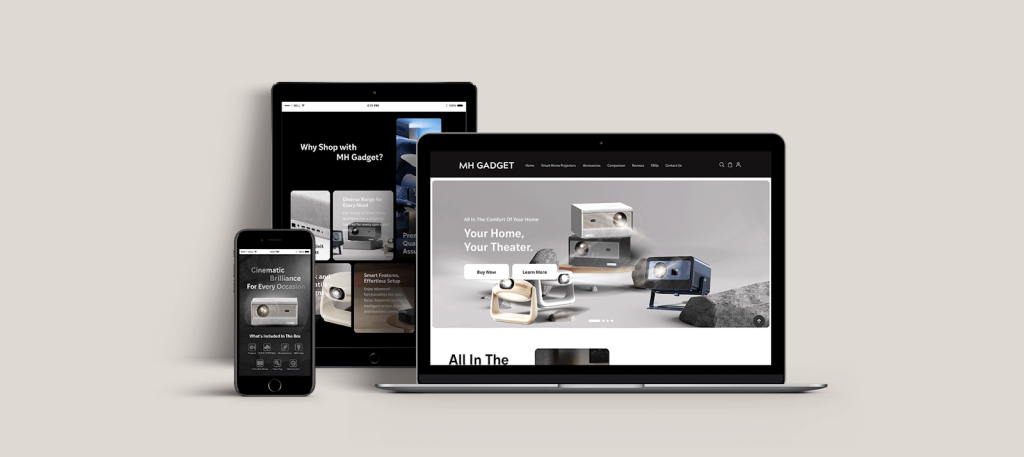
Actions taken:
- Modernized UI
- Structured, scannable product presentation
- Clean category hierarchy
- Integrated marketing tools, payment gateways, POS
Outcome:
- Improved navigation clarity
- Higher conversion trust
- Scalable backend operations
For MH Gadget, Jumix redesigned their entire online shopping experience by building a robust, conversion-driven eCommerce website on Shopify.
Their business focuses on affordable, high-quality projectors and accessories, but before the redesign, the brand wasn’t fully represented online.
We stepped in to create a clean, modern, and easy-to-navigate website that showcases their products professionally while reflecting the premium quality they offer.
By organising product categories clearly and presenting key features in a visually appealing layout, we helped customers understand the value of each item instantly.
The new Shopify setup also supports MH Gadget’s operational workflow, allowing smooth integration with marketing tools, payment gateways, and POS systems, giving them a strong foundation for long-term growth.
With a clearer structure, improved product presentation, and a seamless shopping flow, Jumix helped MH Gadget transform their online store into a platform that builds trust, increases conversions, and supports their expanding customer base.
Bowbowbrow: How Jumix Transformed Their Brand Into a Full eCommerce-Ready Booking Website

Actions taken:
- Full brand-aligned Shopify site
- Service catalog structured like eCommerce product listings
- Streamlined booking flow (checkout-like process)
Outcome:
- Higher booking conversions
- More consistent brand experience
- 24/7 automated appointment generation
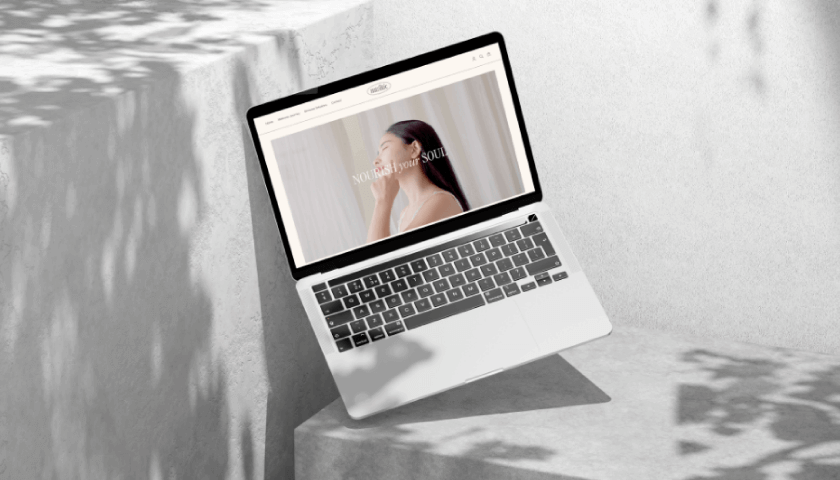
Bowbowbrow already had a strong social media following, people loved their eyebrow work, but they didn’t have a proper platform that could turn all that attention into real bookings.
That’s where Jumix stepped in.
We designed a website that not only matches their established brand identity, but actually amplifies it.
Every colour tone, layout block, and visual cue was crafted to reflect the same confidence and style their audience sees on Instagram.
Our approach focused on one mission:
Turn Bowbowbrow’s followers into paying customers through a smooth, eCommerce-style user journey.
Here’s how we helped:
- Built a clean, conversion-driven service catalog
Their eyebrow embroidery services are displayed clearly, with structured descriptions and transparent pricing to help users make decisions faster. - Designed an intuitive booking flow
Just like an eCommerce checkout, simple, fast, and user-friendly. Visitors can now browse services and book appointments without confusion. - Created a seamless brand experience
From social media to website, the transition feels natural and consistent, helping the brand look more professional and trustworthy.
By turning their service offerings into an eCommerce-like experience, Bowbowbrow now has a website that works 24/7, converting interest into appointments even when the team is offline.
Ready To Launch Your Winning eCommerce Website Malaysia Store?
The Malaysian online shopping market isn’t slowing down.
It’s accelerating.
You now know the payment gateways that convert, the design rules that work, and the trends shaping 2026.
Here’s your next step:
Week 1: Choose payment gateway + shipping partners
Week 2: Choose ecommerce platform (Shopify, WooCommerce, EasyStore, Magento)
Weeks 3–6: Build core store, product pages, AI chatbot, reviews
Weeks 7–8: Launch MVP site, test checkout speed, fix friction points
The perfect ecommerce website Malaysia entrepreneurs dream about doesn’t exist.
The profitable one that launches, tests, and improves does.
If you want an eCommerce store that loads fast, looks premium, and converts like crazy, you can’t afford to guess.
That’s where we come in.
Whether you need a full redesign, a new Shopify store, or a custom-built eCommerce platform, we’ve done it for hundreds of Malaysian brands, and we can do it for you too.
FAQs About eCommerce Website Malaysia
How much does it cost to build an ecommerce website in Malaysia?
Typical range: RM10,000–RM30,000 for setup, design, payment integration, and basic SEO.
To know more about website costing, read about how much an ecommerce website costs or check out the cost for website design and development in Malaysia.
Do I need SSM registration before launching my online store?
Yes. Payment gateways require SSM approval.
Learn how to start an online business in Malaysia in just 1 day.
Which ecommerce platform is best for Malaysian businesses?
Depends on your needs:
- Shopify, easiest, all-in-one
- WooCommerce, most flexible, needs technical skills
- Magento, for large or complex catalogs






Comments are closed for this article!