



What Is Good Web Design?
Good web design is the combination of usability, performance, clarity, and conversion. A well-designed website should be easy to navigate, load quickly, clearly communicate your value, and guide visitors toward making an enquiry. In 2026, a visually attractive website alone is not enough, if it doesn’t generate leads or support business goals, it is not considered effective web design.
Web design best practices Malaysia it’s one of the most searched topics by Malaysian business owners, often late at night, wondering why their website looks decent… but isn’t generating enquiries.
You’ve invested in a website.
The design looks acceptable.
But the leads? Still slow.
The bounce rate? Too high.
The phone? Quiet.
Here’s the reality: a beautiful website is not the same as a high-performing website.
In 2026, Malaysian users expect websites to be:
- Fast ⚡
- Clear 🧭
- Mobile-friendly 📱
- Easy to contact 💬
If your website doesn’t deliver within the first few seconds, visitors leave, and most likely land on your competitor’s site.
This guide breaks down web design best practices Malaysia businesses should follow, not just to look professional, but to convert visitors into real enquiries and customers.
If you’re also weighing up whether to rebuild from scratch or improve what you have, read our guide on website redesign vs. building a new website first.
Why Good Web Design Is a Business Decision, Not Just Aesthetic
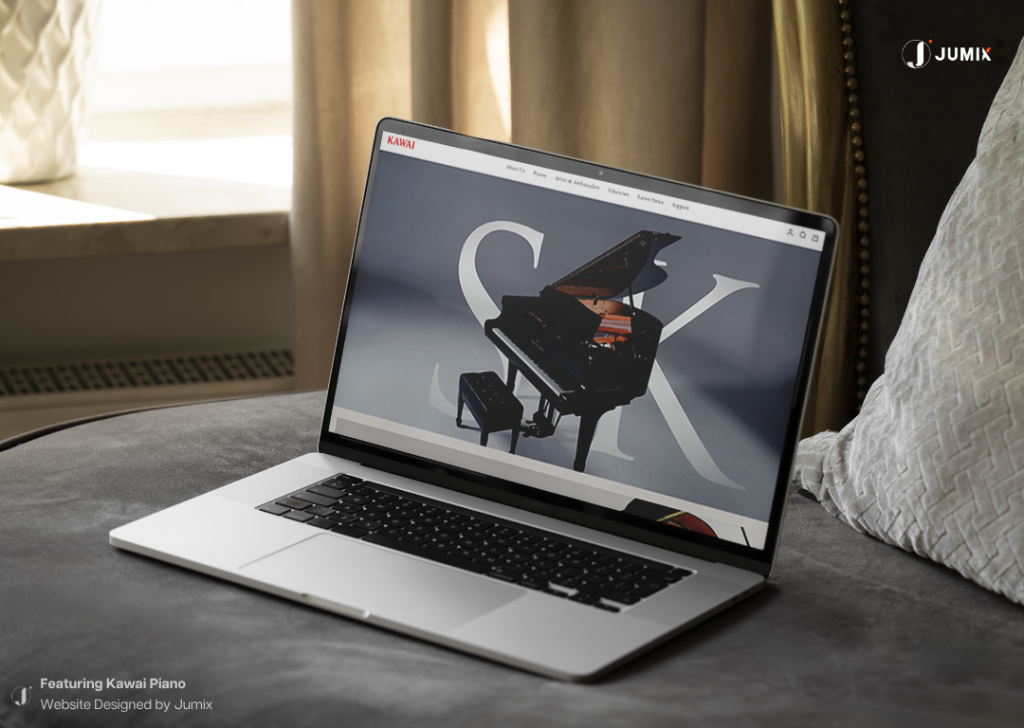
Your website isn’t just a digital brochure.
It’s your best salesperson.
- It works 24/7
- It handles multiple visitors at once
- It never takes a break
- It represents your brand before you even speak to the customer
But if your website is slow, confusing, or difficult to navigate, it’s actively losing business every single day.
Here’s what research tells us:
- First impressions happen in 0.05 seconds (Nielsen Norman Group)
- 88% of users won’t return after a bad experience (Forbes)
- Over 99.5% of Malaysian users browse on mobile devices (Department of Statistics Malaysia)
This is why web design best practices Malaysia businesses follow today are focused on performance, not just visuals.
Good design isn’t decoration.
It’s business strategy.
1. Mobile-First Design, Build for the Phone First
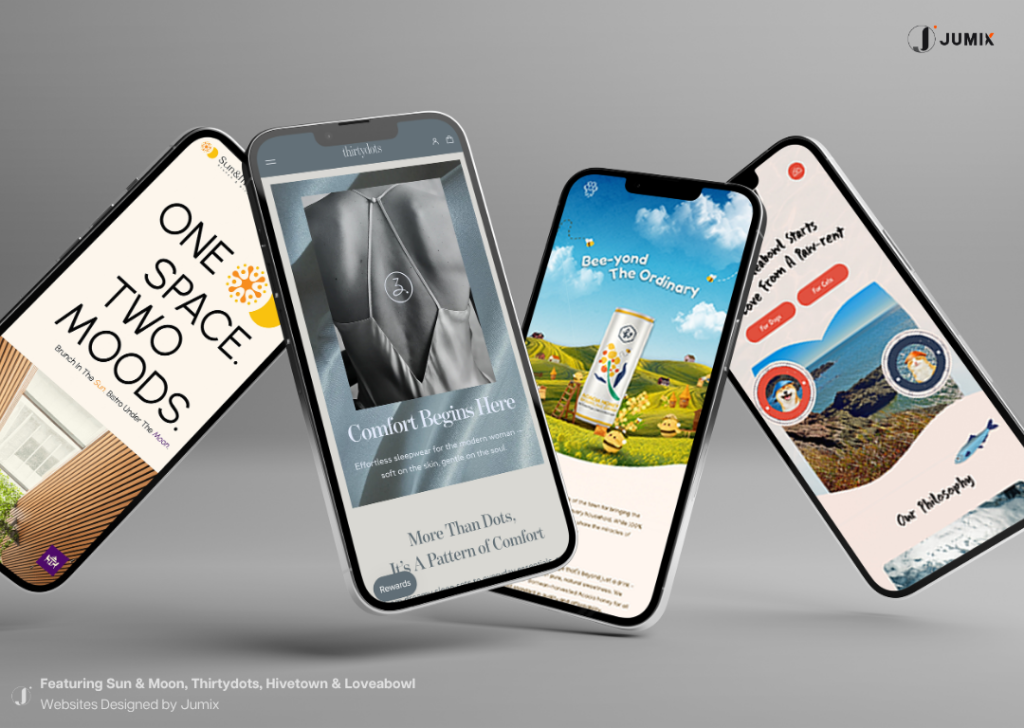
If your website is not mobile-first in 2026, you are already losing potential customers.
Malaysian users browse constantly:
- During lunch at mamak stalls
- While commuting on LRT/MRT
- Comparing services while shopping in malls
- Searching for businesses late at night
That means your website must be designed for mobile first, not desktop.
Mobile-first design means:
You design for the smallest screen first, then scale up.
For a detailed breakdown, read our dedicated mobile-first web design guide for Malaysia.
What Mobile-First Design Looks Like
- Single-column layouts. Make content easier to scroll and read on smaller screens.
- Large tap-friendly buttons. Reduce misclicks, especially when users are browsing quickly.
- Clear readable fonts. Prevent users from needing to zoom in.
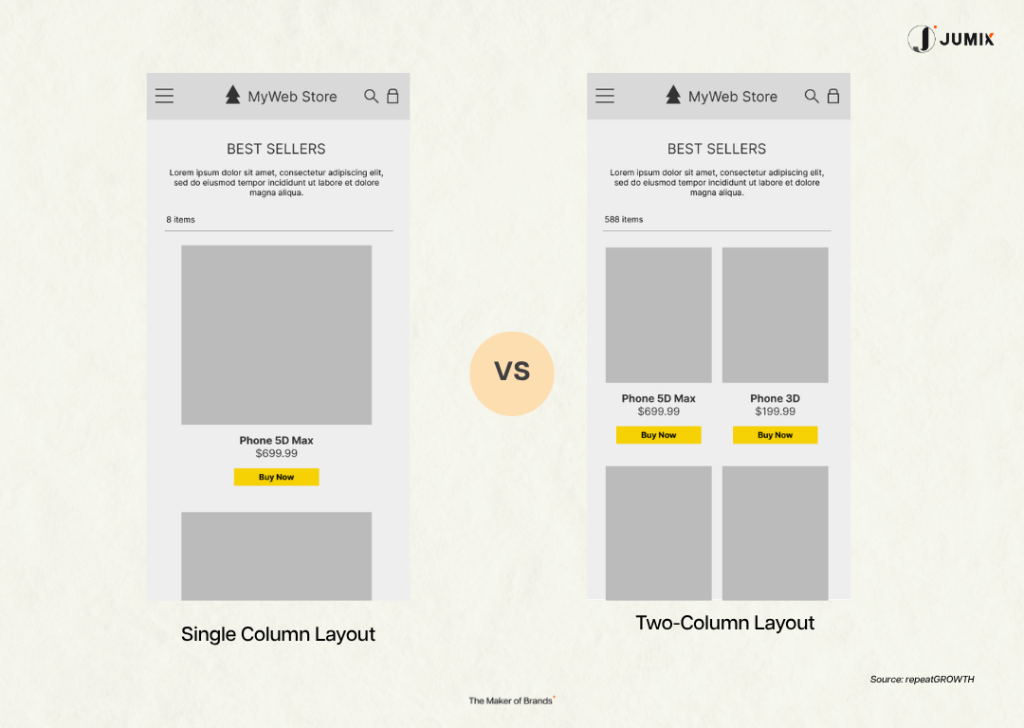
Recommended mobile standards:
- Button size: Minimum 44px x 44px
- Font size: Minimum 16px body text
- Fast loading under 3 seconds
These are core web design best practices Malaysia businesses must prioritise to reduce bounce rate and increase enquiries.
Quick Test
Open your website on your phone right now.
If you need to:
- Zoom
- Pinch
- Scroll sideways
Your website is not mobile-friendly, and likely costs you enquiries.
2. Clear Navigation Structure, Don’t Make Visitors Think
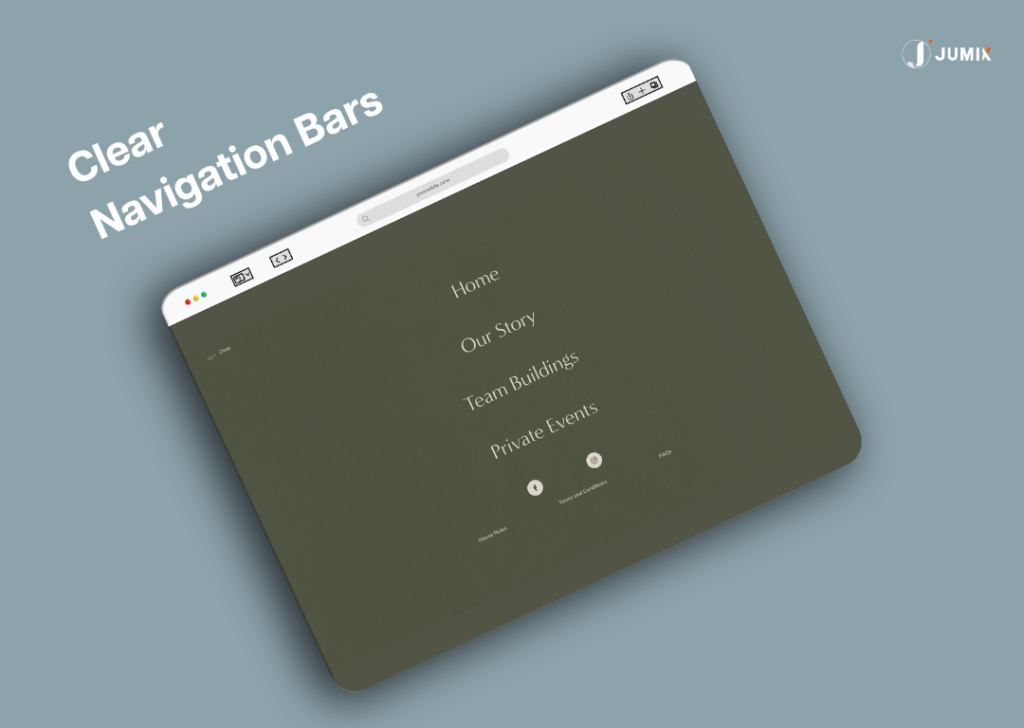
A key principle in web design best practices Malaysia is simple:
If visitors need to think where to click, they leave.
Your navigation should feel obvious and effortless.
Navigation Structure That Works
- 5 to 7 main menu items maximum. When users see too many options, they often hesitate and leave.
- Clear grouping of pages. Visitors can quickly locate what they need, whether it’s services, pricing, or contact details.
- Descriptive labels. Use straightforward terms like “About Us” or “Our Services” help users understand immediately where they should click.
- Sticky navigation bar at long pages. It allows visitors to move between sections without scrolling back to the top.
Don’t Forget the Footer
Malaysian users often scroll straight to the bottom.
Your footer should include:
- Contact number
- WhatsApp link
- Address
- Business hours
- Social media links
This small improvement is one of the most overlooked web design best practices Malaysia businesses ignore.
For more on what your site must legally include, see our article on business website legal requirements in Malaysia.
3. Fast Loading Speed, Every Second Costs Money
Website speed directly impacts:
- Conversion rate
- SEO ranking
- User experience
- Bounce rate
A research shows:
A 1-second delay can reduce conversions by 7% (BigCommerce).
For businesses relying on website enquiries, this can translate into significant lost opportunities.
Example:
A business generating RM50,000 monthly:
That’s RM3,500 lost… just from slow loading.
To improve loading speed, businesses should focus on:
- Compressed images. Reduce file size, allowing pages to load faster.
- Using faster hosting. Ensures your website loads quickly for Malaysian users, especially when hosted in Singapore or locally.
- Minimising plugins. Reduces unnecessary scripts that slow down performance.
- Enabling caching. Returning visitors can load pages faster.
- Using Content Delivery Network (CDN) services. Distribute website content across multiple locations, improving speed across different regions.

This is one of the most critical web design best practices Malaysia businesses should prioritise.
How to Test
Use:
These tools show exactly what to improve.
If you’re unsure which platform to build on for the best speed outcomes, our guide to the best website platforms for Malaysian businesses covers this in detail.
4. Strong Visual Hierarchy, Guide the Visitor
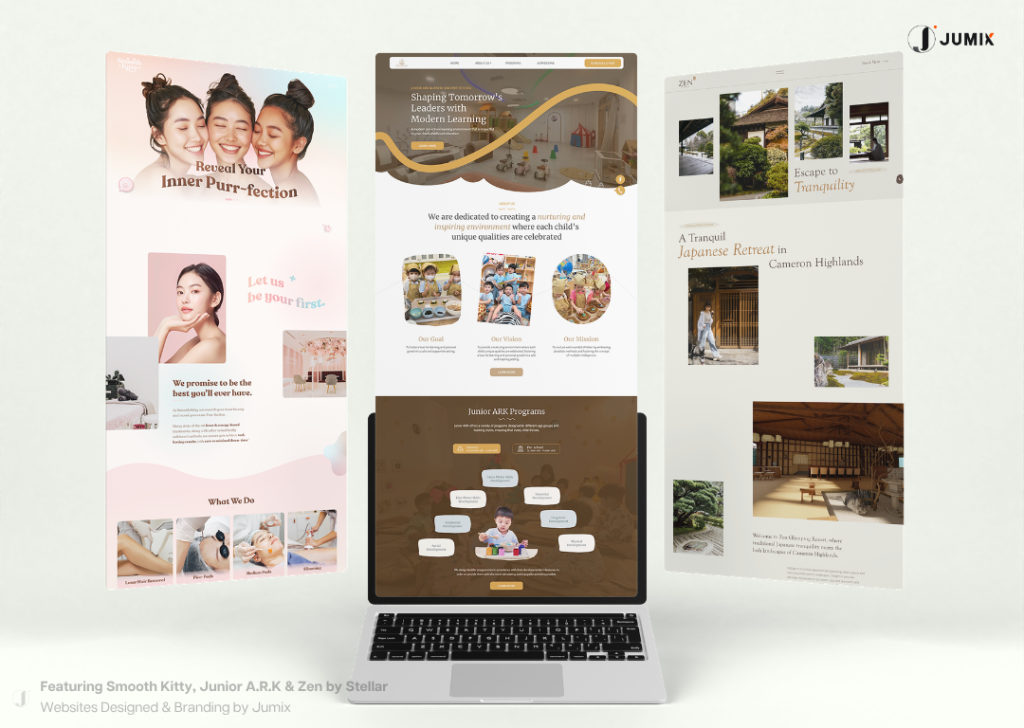
Visual hierarchy means controlling where users look first.
A strong hierarchy guides users toward:
- Your message
- Your value
- Your call-to-action
A strong visual hierarchy typically includes:
- Clear headline
- Supporting description
- Call-to-action button
- Trust signals
- Additional information
However, these elements must work together strategically.
The headline should immediately communicate what your business offers.
Supporting text then explains who the service is for and why it matters.
The call-to-action encourages visitors to take the next step, whether it’s contacting you or requesting a quote.
Trust signals such as testimonials, client logos, or certifications help reinforce credibility.
Finally, additional information supports visitors who want more details before making a decision.
Many Malaysian websites make the mistake of overcrowding the homepage with too much information.
Instead, clean layouts with proper spacing improve readability and build trust.
This is one of the most important web design best practices Malaysia for conversion-focused websites.
For a deep-dive into what makes Malaysian customers actually convert, read our UX breakdown of high-converting websites.
5. Conversion-Focused Design, Design With Purpose
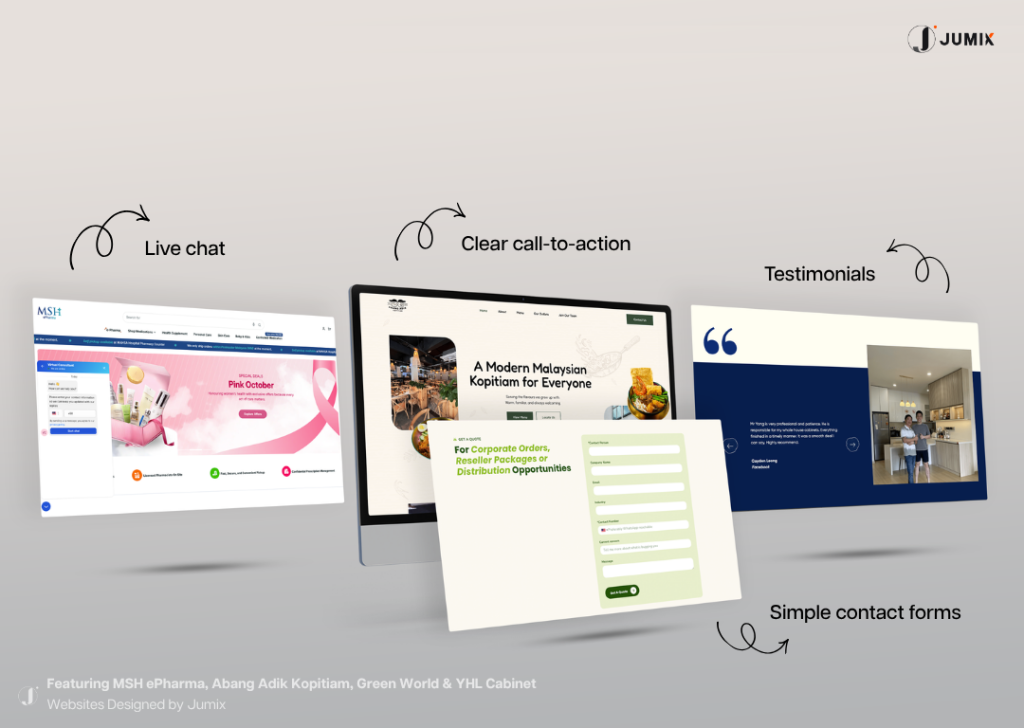
A website should guide visitors toward taking action.
Key Conversion Elements:
- Clear call-to-action
- Testimonials
- WhatsApp integration
- Simple contact forms
- Live chat
In Malaysia, WhatsApp is especially important because customers prefer quick messaging instead of long forms.
Each of these components plays an important role in generating enquiries.
Clear call-to-action buttons guide visitors toward the next step.
Trust signals help reduce hesitation, especially for first-time visitors.
Simple contact forms also improve conversions.
Asking for too many details can discourage visitors.
Limiting forms to essential fields increases completion rates.
Live chat further improves engagement by addressing questions immediately.
When visitors receive instant responses, they are more likely to proceed with enquiries.
These conversion-focused strategies form a core part of web design best practices Malaysia businesses use to generate more leads.
If you’re diagnosing an existing site, our article on why your website isn’t converting in Malaysia walks through the most common reasons, and what to do about each one.
6. SEO-Friendly Design, Built to Be Found
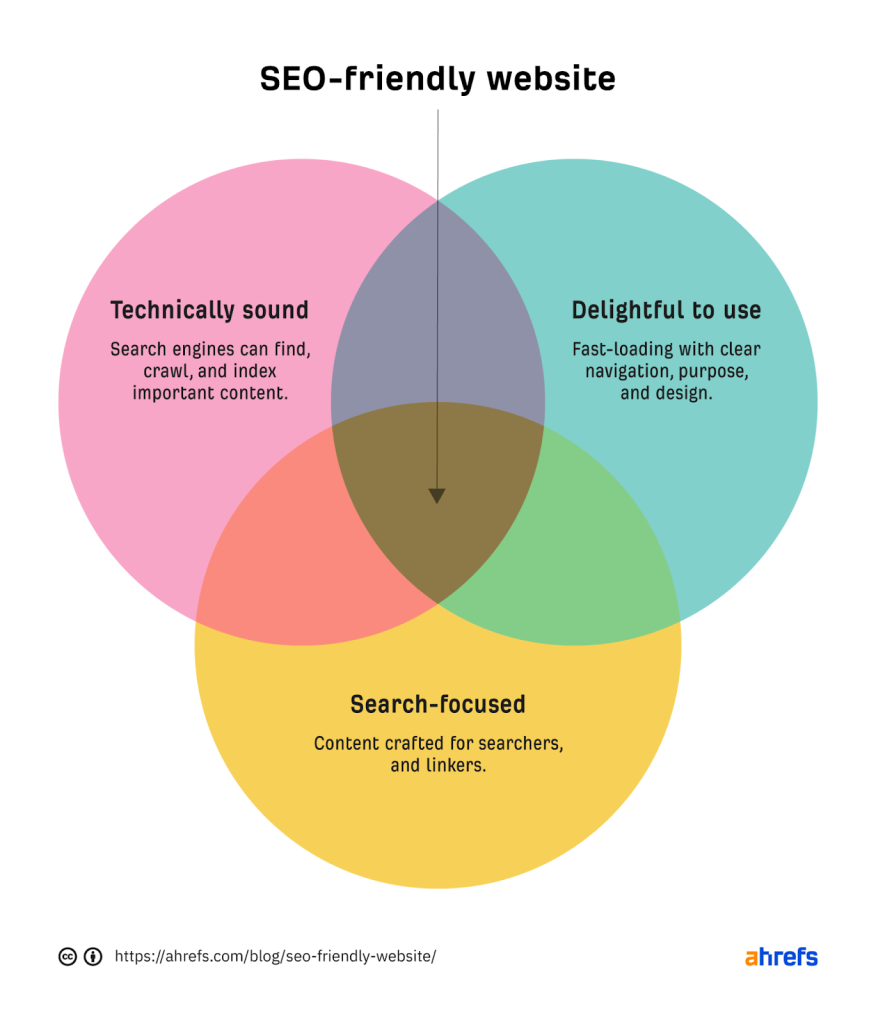
SEO-friendly websites rank better and attract more visitors.
SEO-Friendly Design Includes:
- Clean URLs
- Proper heading structure
- Image alt text
- Internal linking
- SSL security
- Mobile responsiveness
Local SEO is also important.
Use location keywords like:
- Penang
- Kuala Lumpur
- Johor
- Malaysia
This helps attract nearby customers searching for your services.
For a comprehensive walkthrough, see our guide on local SEO for Malaysian businesses.
And if you’re wondering whether to focus on SEO or paid ads first, we’ve covered that decision in detail here.
Without proper SEO structure, your website may look great but remain invisible online.
These technical factors help search engines understand your content and improve ranking potential.
Ensuring consistent business information across your website and Google Business Profile further strengthens your local search presence.
These elements are essential web design best practices Malaysia businesses should integrate from the beginning.
High-Performing Website vs Poor Website
| Feature | Poor Website | High-Performing Website |
| Mobile Design | Desktop-first | Mobile-first |
| Speed | 5 to 8 seconds | Under 3 seconds |
| Navigation | Confusing | Simple |
| Contact Info | Hidden | Easy to find |
| Call-to-Action | Unclear | Clear & visible |
| SEO Structure | Poor | Optimized |
Common Web Design Mistakes Malaysian Businesses Make
Avoiding mistakes is just as important.
After 600+ projects, these are the patterns we see most often.
Mistake #1: Desktop-Only Design
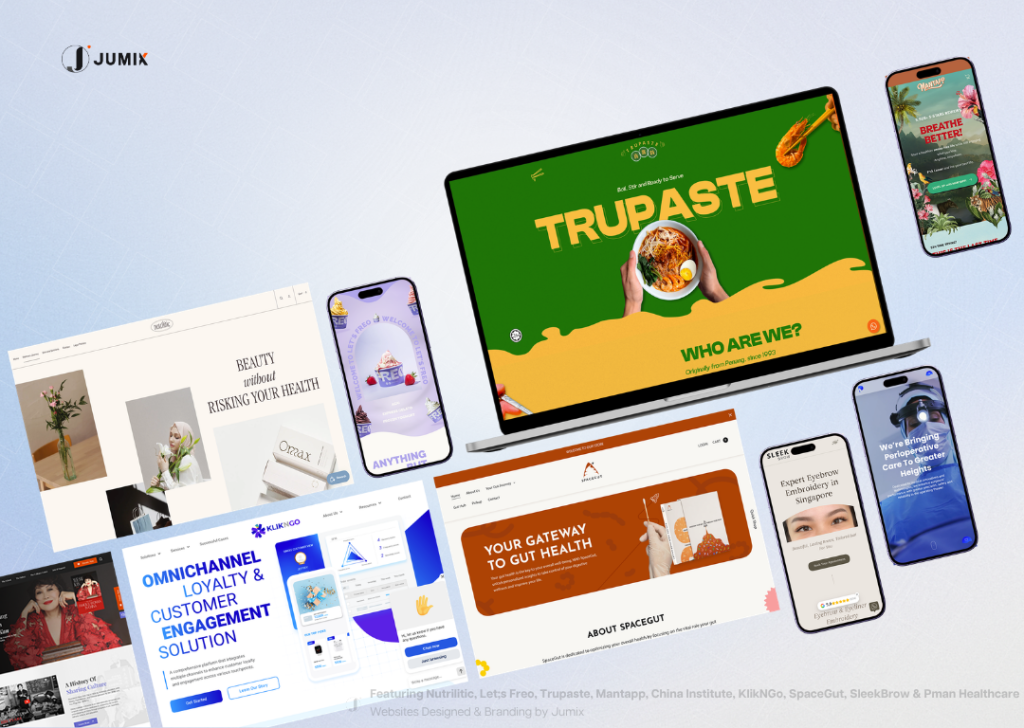
Many websites look great on desktop but poor on mobile.
Always test:
- iPhone
- Android
- Tablet
- Desktop
Many websites are designed on large desktop screens, often 24 to 27 inch monitors.
Everything looks clean and spacious during development.
However, when visitors open the same website on mobile, the experience becomes frustrating.
Since more than 99.5% of Malaysian users browse on mobile devices, this creates a poor first impression almost immediately.
A mobile-friendly website doesn’t just improve usability, it directly impacts SEO, engagement, and conversion rates.
Mistake #2: Too Much Text on the Homepage
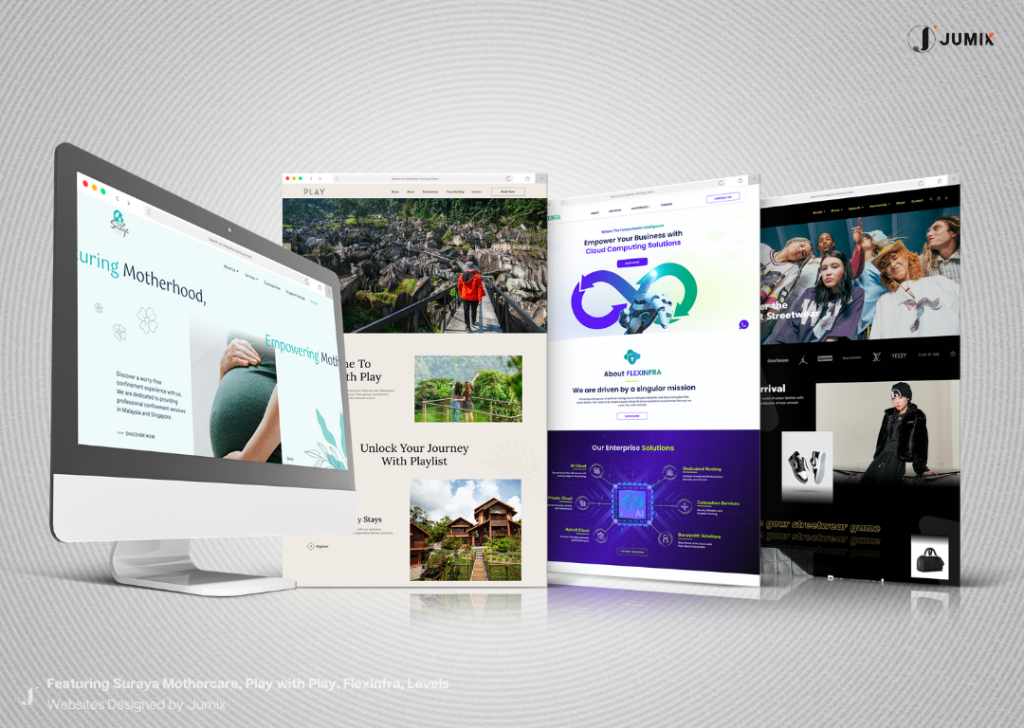
Visitors want to know:
- What you do
- Who you help
- What to do next
Keep content:
- Use short, clear headlines
- Break content into sections
- Guide visitors toward a clear call-to-action
Many Malaysian business websites treat the homepage like a brochure.
They try to explain everything at once, company history, services, mission statements, industry knowledge, and more.
The problem is that visitors don’t read websites like brochures.
They scan quickly.
If your homepage is filled with long paragraphs and excessive details, visitors may feel overwhelmed and leave before understanding your value.
Mistake #3: Hard-to-Find Contact Info
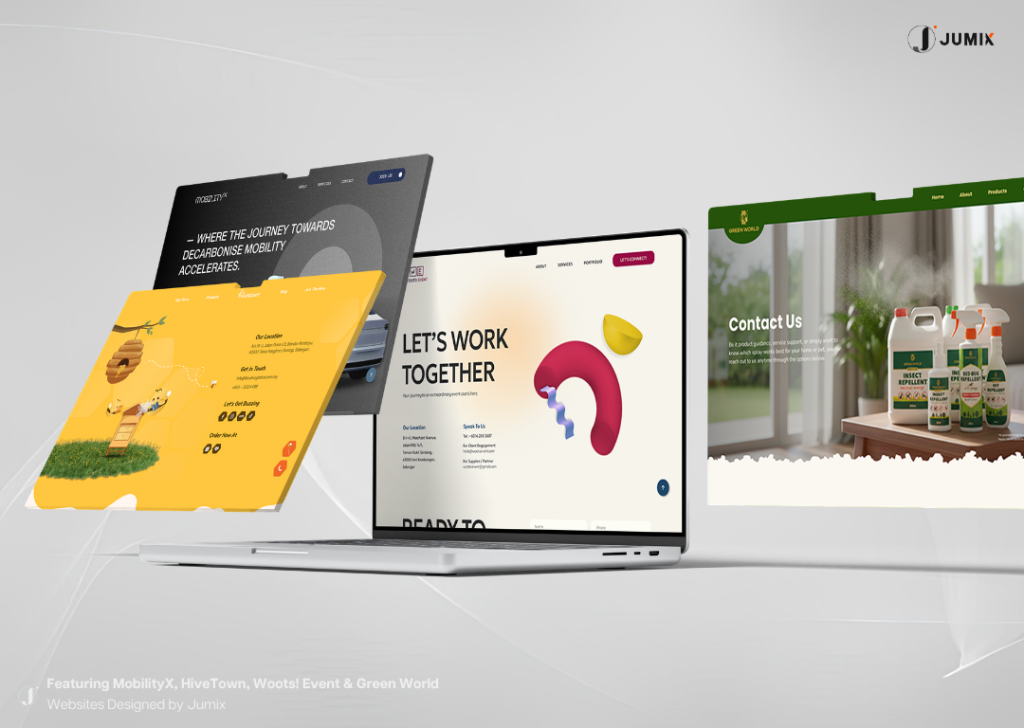
Contact details should appear:
- Header
- Footer
- Contact page
- Call-to-action sections
Include:
- Phone
- Location
One of the biggest missed opportunities is hiding contact details.
Visitors who are ready to enquire should be able to find your contact information within seconds.
If they need to search for it, many will simply leave and look for another provider.
Easy access to contact information reduces friction and increases enquiries, a key principle of web design best practices Malaysia.
Mistake #4: Outdated Website Design
Outdated websites reduce trust.
Common signs:
- Old layouts
- Small fonts
- Low-quality images
- Old copyright dates
- Cluttered content
Visitors often judge your company based on your website.
If the design looks old, cluttered, or inconsistent, they may assume your business is outdated as well.
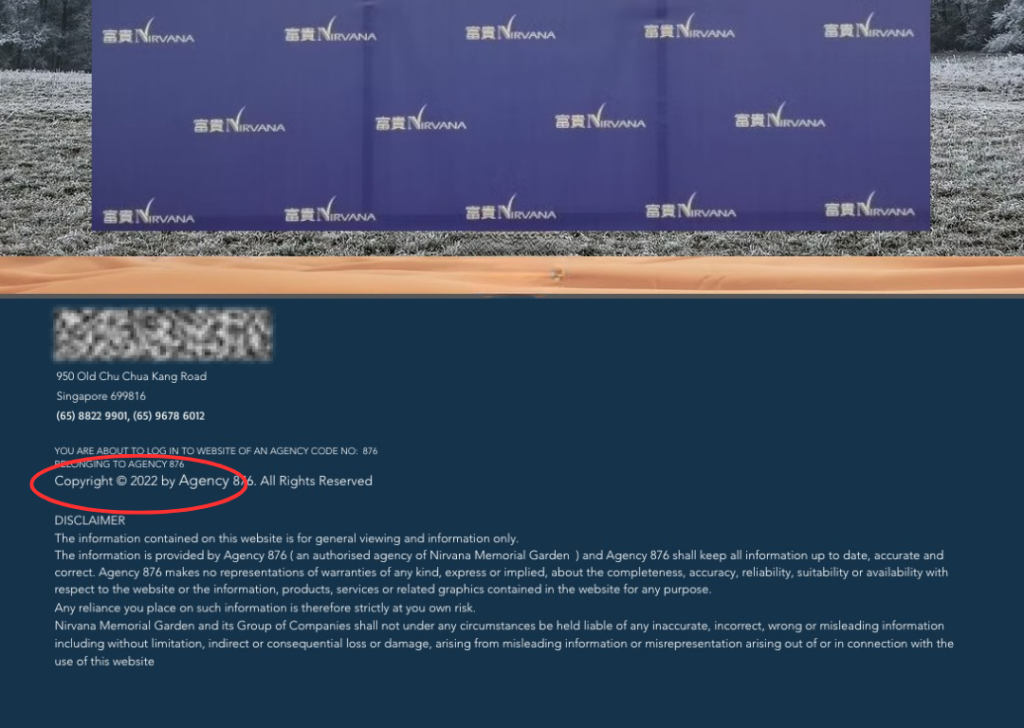
For example, a footer showing “Copyright 2022” can signal that the website hasn’t been updated in years.
This small detail can reduce trust.
Refreshing your website periodically helps maintain credibility and keeps your business competitive.
Most businesses benefit from a design refresh every 2 to 3 years.
If yours is overdue, see our redesign guide to decide on the right approach.
Mistake #5: Cheap Hosting That Slows Your Website
Slow hosting leads to:
- Slow loading
- Poor SEO
- Lost enquiries
Better options:
- Singapore-based servers
- Malaysia-based hosting
- Content Delivery Networks (CDN)
These options improve loading speed and overall user experience.
Some businesses choose the cheapest hosting option to save costs.
However, slow hosting can hurt your website performance significantly.
Hosting servers located far from Malaysia, such as in the US, often result in slower loading times for local visitors.
Saving a small amount on hosting may cost you more in lost enquiries and poor SEO rankings.
Investing in reliable hosting supports better performance and aligns with web design best practices Malaysia.
See our breakdown of self-hosting vs. web hosting in Malaysia for the full picture.
Final Thoughts
In 2026, following web design best practices Malaysia is essential for businesses that want to compete online.
A high-performing website should:
- Load fast
- Be mobile-friendly
- Guide visitors clearly
- Encourage conversions
- Be SEO-ready
Businesses that succeed online are not always those with the biggest budgets.
Instead, they are the ones that invest in thoughtful design, strong user experience, and performance optimisation.
If you’ve read this far, chances are your website might already have a few of these issues holding it back.
The good news?
Most of them are fixable with the right structure and approach.
At Jumix, we don’t just design websites, we build systems that help businesses turn visitors into real enquiries. Get a website audit from Jumix.
Frequently Asked Questions
Is it better to use long scrolling pages or multiple pages?
Both work depending on purpose:
- Long pages: better for storytelling and landing pages
- Multiple pages: better for detailed services and SEO
Do animations help websites?
Yes, but only if subtle. Overuse slows performance and reduces usability.
Should websites prioritize information or enquiries?
Both, but priority should be conversion. Information should guide users toward action.
Should my website highlight my company or my customers?
Your website should focus primarily on your customers, their problems, needs, and goals.
Does my website need regular performance testing?
Yes, website performance can change over time due to updates, plugins, or new content.
Should I prioritise homepage design or service pages?
Service pages often convert better because they target specific user intent.





Comments are closed for this article!