





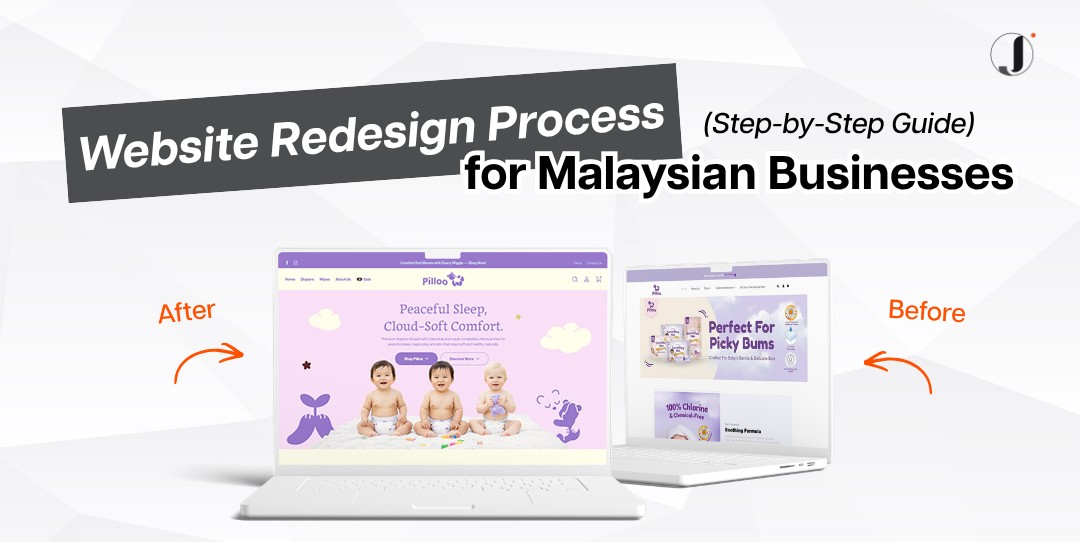
If you’re running a business in Malaysia and your website hasn’t been properly updated in the last 2 to 3 years, there’s a high chance it’s quietly costing you customers without you even realising it.
The website redesign process Malaysia businesses go through isn’t just a visual upgrade.
It’s a performance upgrade designed to:
Website Redesign Benefits
- Increase enquiries and conversions
- Improve SEO rankings
- Reduce bounce rate
- Improve mobile experience
- Build credibility and trust
- Support long‑term business growth
At Jumix, we see this pattern often:
Great product. Solid team. Competitive pricing.
But the website? Stuck in 2015.
And in today’s market, that gap is expensive.
Because customers don’t wait, they click away.
So let’s fix that properly.
When Does a Website Actually Need a Redesign?
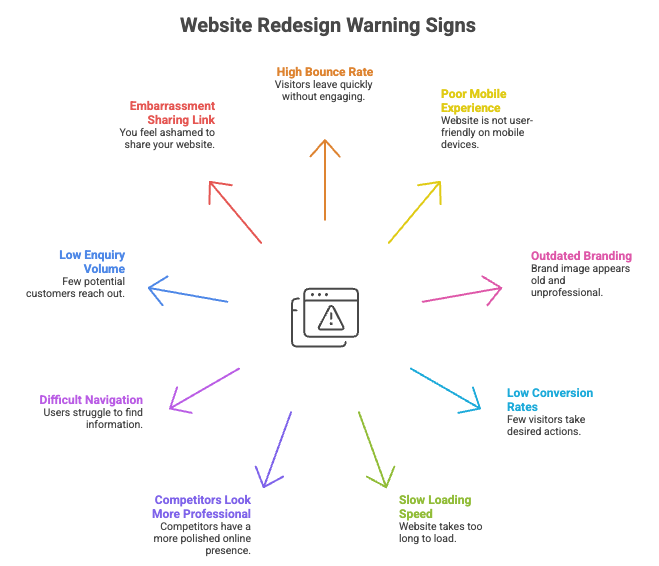
Before you even think about starting a website redesign process Malaysia, check if your business shows these signals:
Website Redesign Warning Signs
- High bounce rate (above 60%)
- Poor mobile experience
- Outdated branding
- Low conversion rates
- Slow loading speed (above 3 seconds)
- Competitors look more professional
- Difficult navigation
- Low enquiry volume despite traffic
- You feel embarrassed sharing your website link
If more than 2 of these sound familiar, your website isn’t just outdated, it’s underperforming.
Learn more about what separates a winning site from one that loses customers in our breakdown of what makes a high-converting website for Malaysian customers.
Step 1: Audit Your Existing Website First
Every successful website redesign process Malaysia businesses execute properly starts with an audit.
Skipping this is like renovating a building without checking the foundation.
Performance Audit
Look at the hard numbers first:
- Page speed under 3 seconds (Google)
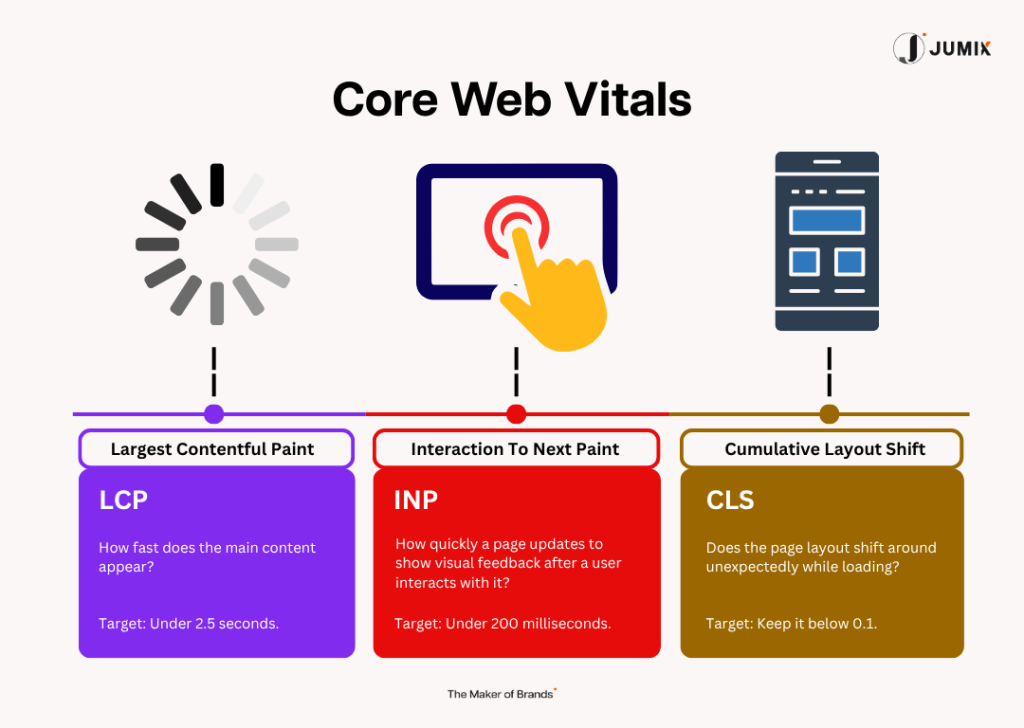
- Core Web Vitals (Google’s ranking factors: LCP, INP, CLS)
- Mobile responsiveness across different screen sizes
- Server response time (especially if you’re hosted locally vs. overseas)
UX Audit
Then zoom into user experience:
- Navigation clarity. Can visitors find what they need in 3 clicks or less?
- Call-to-action placement. Are your CTAs visible and compelling?
- Content hierarchy. Does the page guide the reader’s eyes naturally?
- User journey. Map out what a visitor does from landing to enquiry
SEO Audit (Critical Step)
This is where most redesigns fail.
Before changing anything:
- Check which pages are ranking in Google Search Console right now
- List your top organic keywords (these must be preserved post-redesign)
- Audit backlinks (using Ahrefs or SEMrush, broken links tank your authority)
- Review meta titles and descriptions across all pages
- Identify crawl errors
👉 Pro tip: Document EVERYTHING before changes.
This becomes your safety net during the entire website redesign process Malaysia journey.
If you’re also unsure whether to invest in SEO or paid ads during or after your redesign, read our guide on whether Malaysian businesses should focus on SEO or paid ads first.
Step 2: Define Clear Goals for the Redesign
Most businesses fail here, not in design, but in clarity.
They say: “We want a new website.”
But a redesign without direction is just decoration.
Conversion Goals
Define measurable outcomes:
- Increase enquiry submissions by 30% in 3 months
- Reduce cart abandonment rate for e-commerce by 20%
- Improve lead quality with better form structure
- Increase WhatsApp click-through rate
Branding Goals
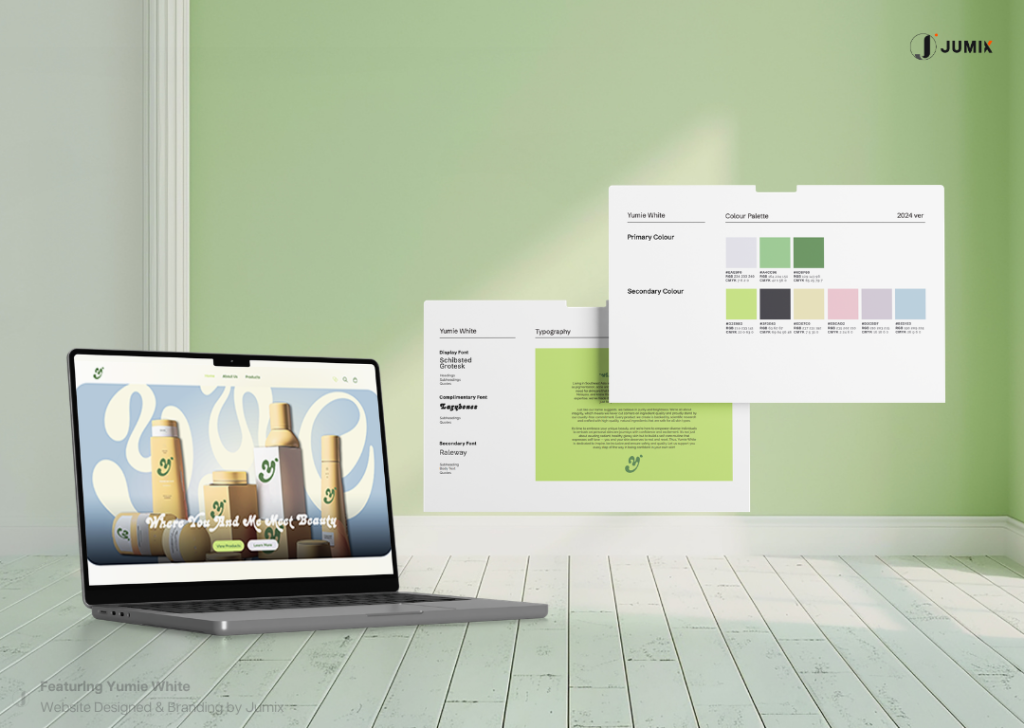
Or sometimes it’s about perception:
- Align with updated brand identity (new logo, colors, tone of voice)
- Position as premium provider in Malaysia
- Strengthen trust signals (testimonials, awards, media)
A proper website redesign process Malaysia strategy always starts with goals, not visuals.
Step 3: Plan Your Site Structure and Content
Now we move from strategy into architecture.
Think of a blueprint before building.
Sitemap Planning
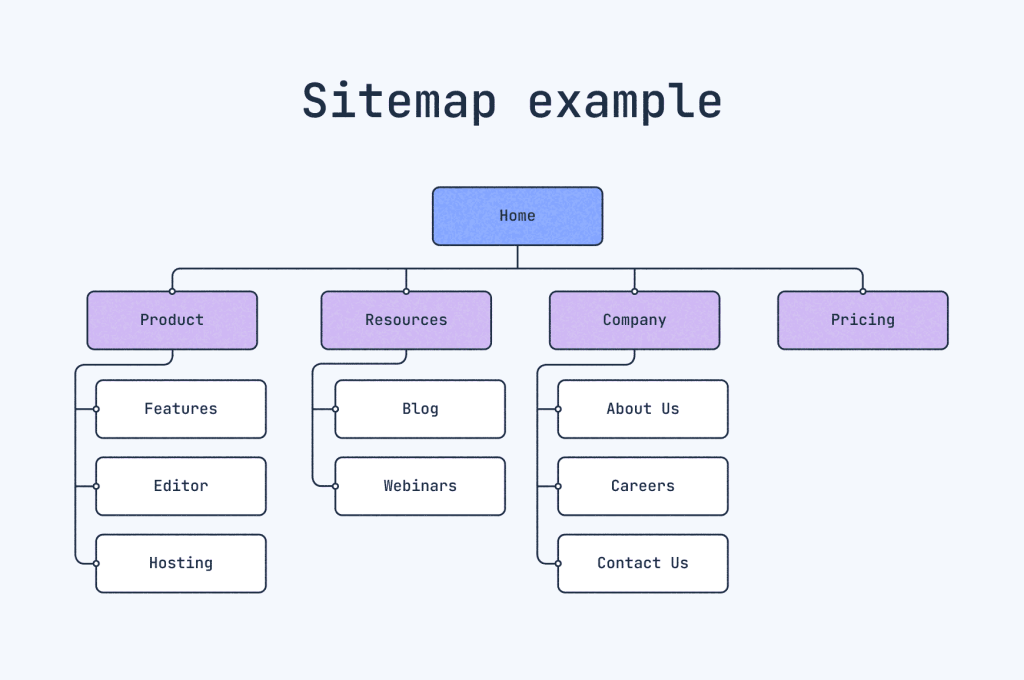
A typical Malaysian SME structure includes:
- Home
- About Us
- Services (individual service pages)
- Case Studies / Portfolio
- Blog / Resources
- Contact
- Landing Pages (for ads)
But remember: structure should follow user behaviour, not internal hierarchy.
Content Strategy
Content is not “filler text.”
It’s your sales system.
During the website redesign process Malaysia planning stage, you should:
- Audit existing content. What can be reused, what needs rewriting, what needs to be cut?
- Plan a new copy with SEO in mind.
- Write in a tone that fits your market. Malaysian business culture values trust and clarity, not aggressive sales copy
- Plan conversion-focused copy
Step 4: The Design Phase
Design without strategy is just art. Not performance.
Wireframes First
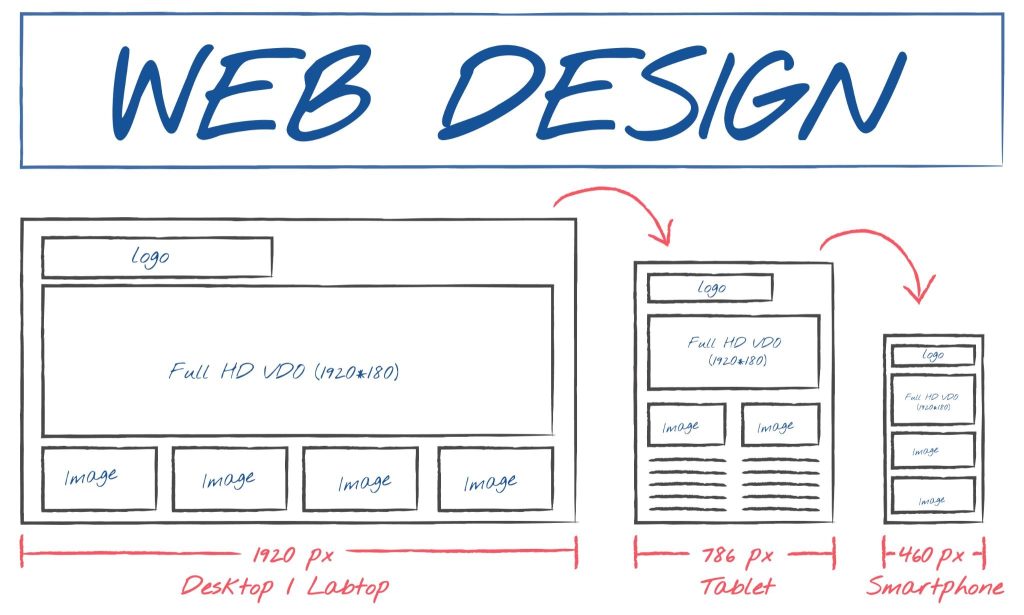
Wireframes define structure before aesthetics.
Why this matters:
- They keep the focus on structure and user flow, not colours or fonts
- They’re fast and cheap to change, unlike full design mockups
- They ensure stakeholder alignment before you invest in detailed design
- They force you to think about every CTA and every content block
In a proper website redesign process Malaysia workflow, wireframes are non-negotiable.
Get wireframes approved before any visual design starts.
This saves weeks of revision.
UI Design
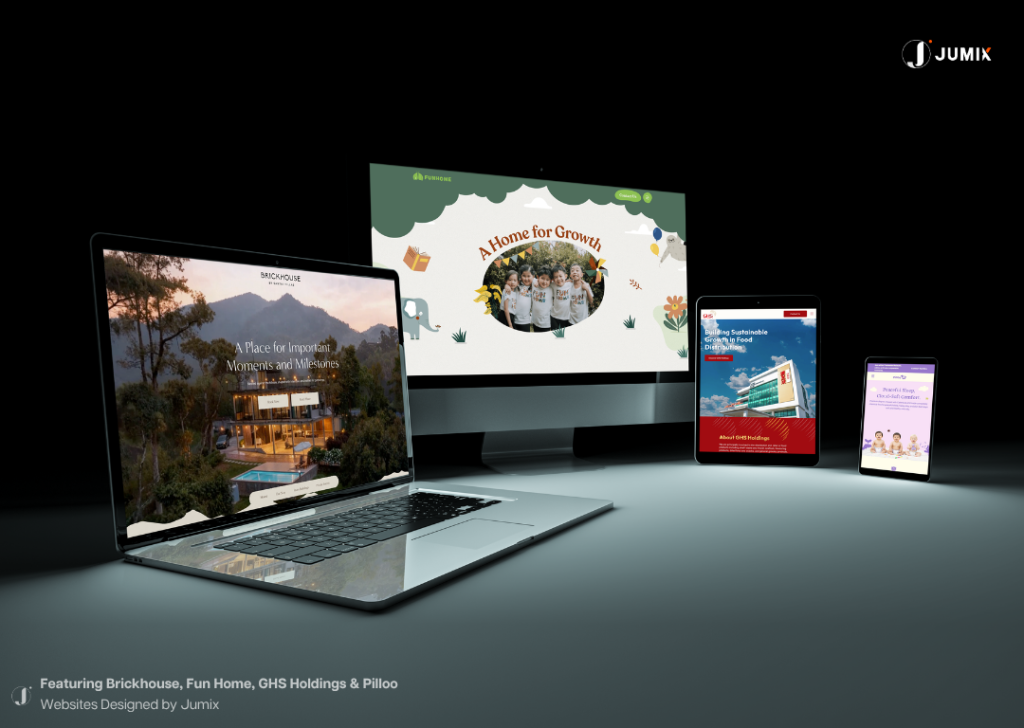
Now your designer brings the wireframes to life.
During the UI design phase, focus on:
- Consistent branding. Every colour, font, and spacing choice should reflect your brand guidelines
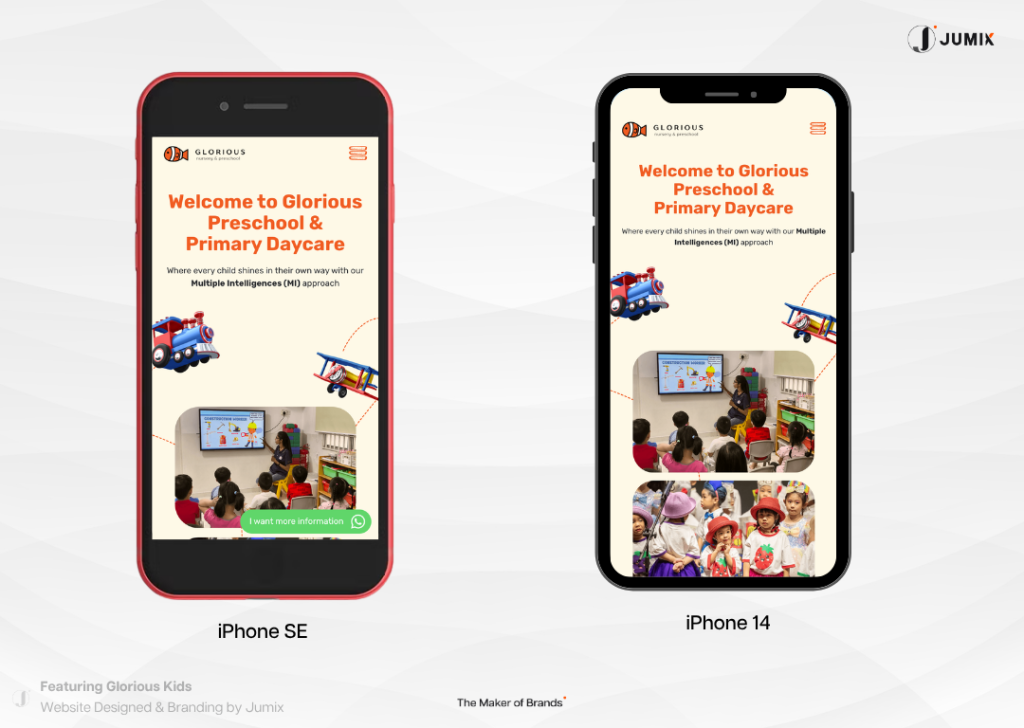
- Mobile-first design. In Malaysia, mobile traffic dominates, so design for small screens first. Our 2026 guide to mobile-first web design in Malaysia covers this in detail.
- Local visual context. Imagery and icons that resonate with a Malaysian audience
- Accessibility. Readable font sizes, sufficient contrast ratios, clear navigation labels
- Fast-loading images. Compress images, use WebP format, lazy-load where possible
Review design mockups on actual devices, not just on a desktop monitor.
What looks great on a 27″ iMac can look terrible on a Redmi.
Step 5: The Development Phase
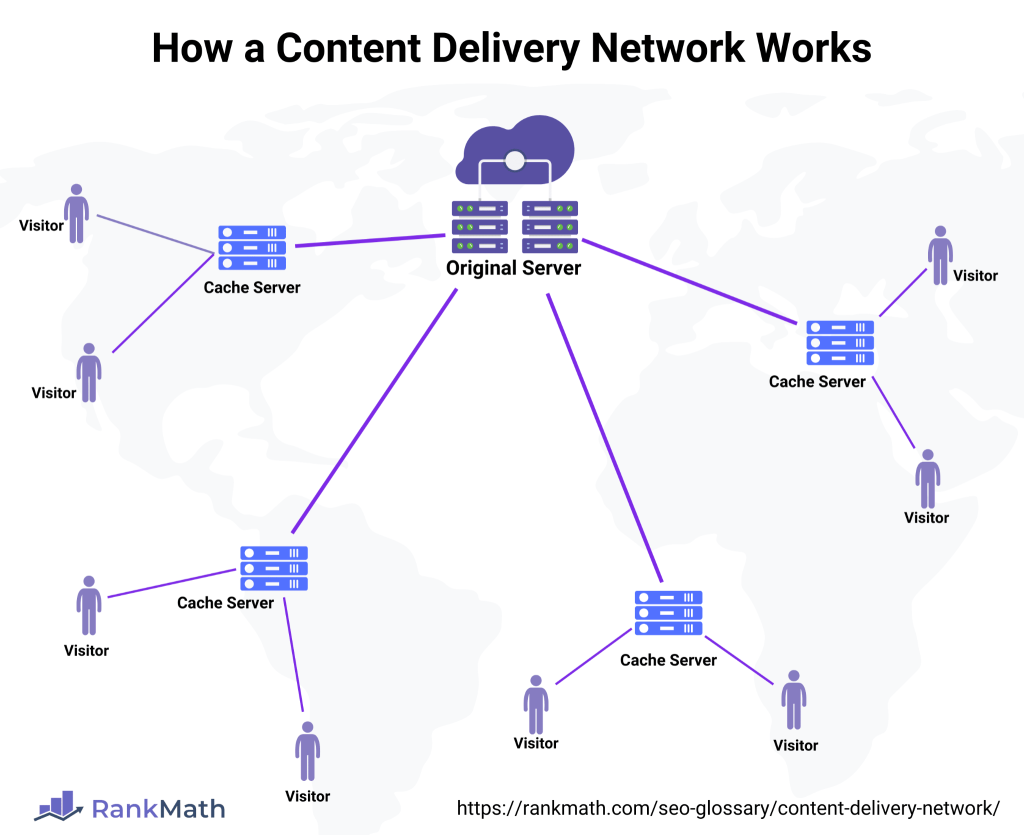
This is where design becomes a functioning system.
Key considerations:
- Content management system (CMS) choice. If you’re also considering which platform to rebuild on, check our comparison of the best website platforms for Malaysian businesses before locking in a CMS choice.
- Page speed optimization. Implement caching, a Content Delivery Network (CDN), and optimised hosting from day one.
- 301 redirects. Map every old URL to its new equivalent to preserve SEO rankings
- On-page SEO implementation. Meta titles, descriptions, H1/H2 structure, schema markup, alt text
- WhatsApp and live chat integration. These are conversion drivers in the Malaysian market, not optional extras (The Malaysian Reserve).
- Analytics setup. Use Google Analytics 4 + Google Search Console + heatmaps.
- Security. SSL certificate, secure contact forms, data protection in line with Malaysia’s PDPA
On the legal side, Malaysia’s PDPA requirements affect your website directly. Don’t launch without reading our guide on business website legal requirements in Malaysia every owner must follow.
A strong website redesign process Malaysia execution phase is invisible to users, but powerful under the hood.
And one rule:
Never launch on a Friday. Seriously.
If something breaks, you want your full team available to fix it fast.
Step 6: Testing and Launch
This is where many businesses rush, and regret later.
Pre-Launch Checklist
- Cross-browser testing (Chrome, Safari, Firefox, Edge)
- Mobile device testing (Android and iOS, test on mid-range devices, not just the latest flagship)
- Form testing. Submit every form and confirm emails are received correctly
- Speed testing. Run Google PageSpeed on all key pages, target 85+ score
- SEO check. Verify all 301 redirects are live and working, no broken links
- Proofread all content. Fresh eyes catch what yours miss
- Analytics verification. Confirm tracking is firing correctly on all pages
- Legal pages. Privacy Policy, Terms of Service, Cookie Notice (required under PDPA)
Launch Execution
- Switch domain to new hosting
- Submit your new sitemap to Google Search Console
- Monitor errors for 48 hours
- Announce launch across channels
A disciplined website redesign process Malaysia launch phase prevents revenue loss and SEO damage.
For a complete pre-launch checklist covering SEO, performance, legal, and conversion, use our website launch checklist for Malaysian businesses as your final gate before going live.
Step 7: Post-Launch Optimisation
Launch is not the finish line, it’s the starting point.
First 30 Days
- Check Google Search Console daily for crawl errors, manual actions, or drops in impressions
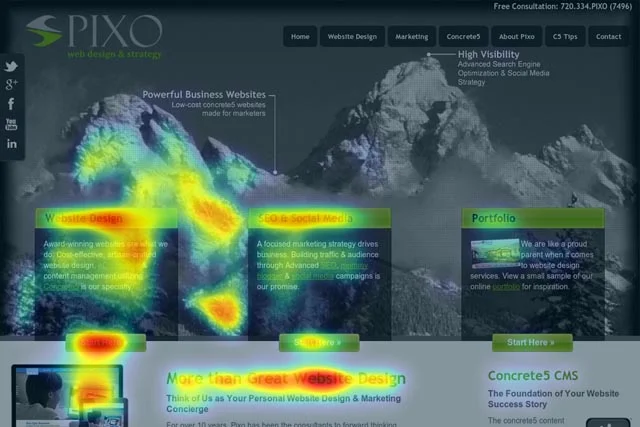
- Review heatmaps to see where users are clicking and where they’re dropping off
- Compare bounce rate and conversion rate against your pre-launch baseline
- A/B test your key CTAs (button text, placement, colour)
- Gather user feedback via surveys or direct conversations with customers
Ongoing Optimisation
- Monthly SEO audit (content updates, new keywords, backlink building)
- Quarterly UX review (are conversion rates improving?)
- Regular content publishing (blog posts, case studies, updated service pages)
- Performance monitoring (page speed can degrade over time as plugins and content pile up)
A website is not a project.
It’s a living business asset.
That’s the mindset behind every successful website redesign process Malaysia implementation.
Final Thoughts: The Website Redesign Process in Malaysia
A proper website redesign process Malaysia businesses should follow is not complicated, but it requires discipline.
It always comes down to:
- Honest audit
- Clear goals
- Strong structure
- Strategic content
- Proper execution
- Continuous optimisation
The businesses that win don’t redesign for “nice design.”
They redesign for business impact.
Every decision, from layout to CTA, should answer one question:
Does this help us convert better?
Start with the audit.
Then build intentionally.
That’s how you turn a website into a growth engine.
Frequently Asked Questions
How do I know if my website needs a redesign or just optimization?
You likely need a full website redesign if:
- Website structure is outdated
- User journey is confusing
- Messaging no longer matches your services
- Conversion rates are declining
- Mobile experience is poor
You may only need optimisation if:
- Website structure is still strong
- Navigation is clear
- SEO rankings are stable
- Only visuals or content feel outdated
What usually causes website redesign projects to fail in Malaysia?
Most failures happen before development even starts. Common issues include unclear business goals, no SEO migration plan, and designing based on preference instead of user behaviour. In the website redesign process Malaysia teams struggle with, strategy misalignment is the biggest risk.
Can website redesign improve SEO?
Yes, if done correctly with redirects, keyword preservation, and improved structure.
Can a website redesign actually increase sales for Malaysian businesses?
Redesign improves conversions by improving user experience and messaging clarity.
Why do Malaysian businesses struggle with redesign ROI?
Because they treat redesign as a visual project instead of a business system upgrade. Without tracking conversion goals, most companies can’t measure success. A strong website redesign process Malaysia strategy always ties design decisions back to revenue or lead outcomes.
Should content or design come first in a website redesign?
Content should always come first. Design supports messaging.






Comments are closed for this article!