



Quick Takeaways
- Traffic without conversion is a vanity metric, visits don’t pay salaries
- Most websites are built to inform, not to sell, that’s the root problem
- Visitors decide within five seconds whether to stay or leave
- Trust is the real purchase barrier, not your price, not your product
- One clear call-to-action outperforms five weak ones every time
- The Real Problem With Your Website
- Your Website Was Built to Impress, Not to Sell
- Reason 1: Visitors Don’t Know What to Do Next
- Reason 2: Your Website Doesn’t Build Trust Fast Enough
- Reason 3: The Page Takes Too Long to Load
- Reason 4: Your Messaging Talks About You, Not the Buyer
- Reason 5: You’re Sending Traffic to the Wrong Page
- What a Converting Website Actually Looks Like
- Frequently Asked Questions
- Conclusion
The Real Problem With Your Website
You open Google Analytics.
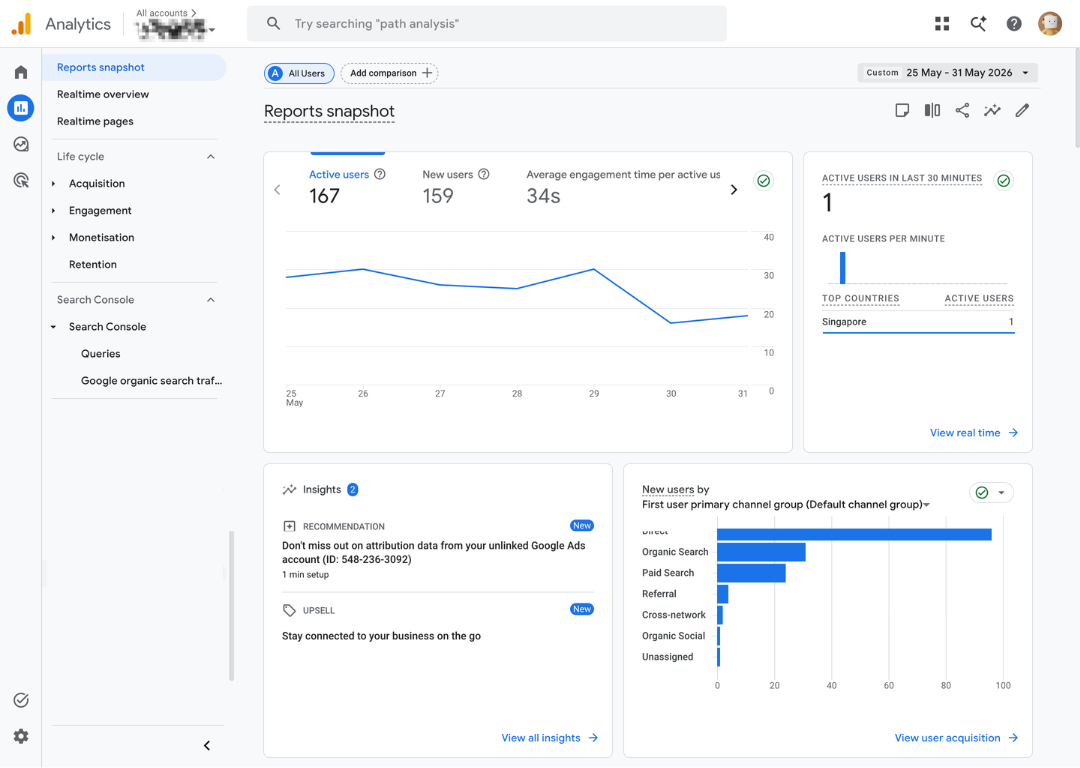
The numbers look decent. Hundreds of visitors a week. Some days, over a thousand.
But your phone isn’t ringing. Your inbox is empty. Sales are flat.
This is the gap that frustrates most Malaysian business owners, and most of them diagnose it wrong.
They assume the problem is traffic. So they spend more on ads. They post more on social media. They chase more clicks.
The traffic arrives. Nothing changes.
The real problem is not how many people visit your website. The problem is what happens after they arrive.
Your website is losing customers. Quietly. Every single day.
This article breaks down exactly why, and what to fix first to increase website sales in Malaysia.
Your Website Was Built to Impress, Not to Sell
Most business websites in Malaysia were built with one brief: look professional.
The designer delivered something clean, modern, and presentable. The business owner approved it. Everyone was happy.
But nobody asked the most important question: what do we want visitors to do?

A website built to impress is a digital brochure. It describes your company, lists your services, and shows some photos. Then it waits.
A website built to sell is different. Every page has a purpose. Every section moves the visitor one step closer to contacting you or making a purchase. Nothing is passive.
The gap between these two types of websites is not about aesthetics. It’s about intent.
Your website should work as hard as your best salesperson, generating enquiries, building trust, and closing deals while you focus on running the business. If it isn’t doing that, the design is the problem.
Reason 1: Visitors Don’t Know What to Do Next
Walk through your own website right now.
After reading your homepage, what is the single most obvious next step?
If your answer is “I’m not sure”, your visitors have the same problem.
Most websites give visitors too many options. Full navigation menus. Multiple banners.
Three different offers on the homepage. Five social media icons in the footer.
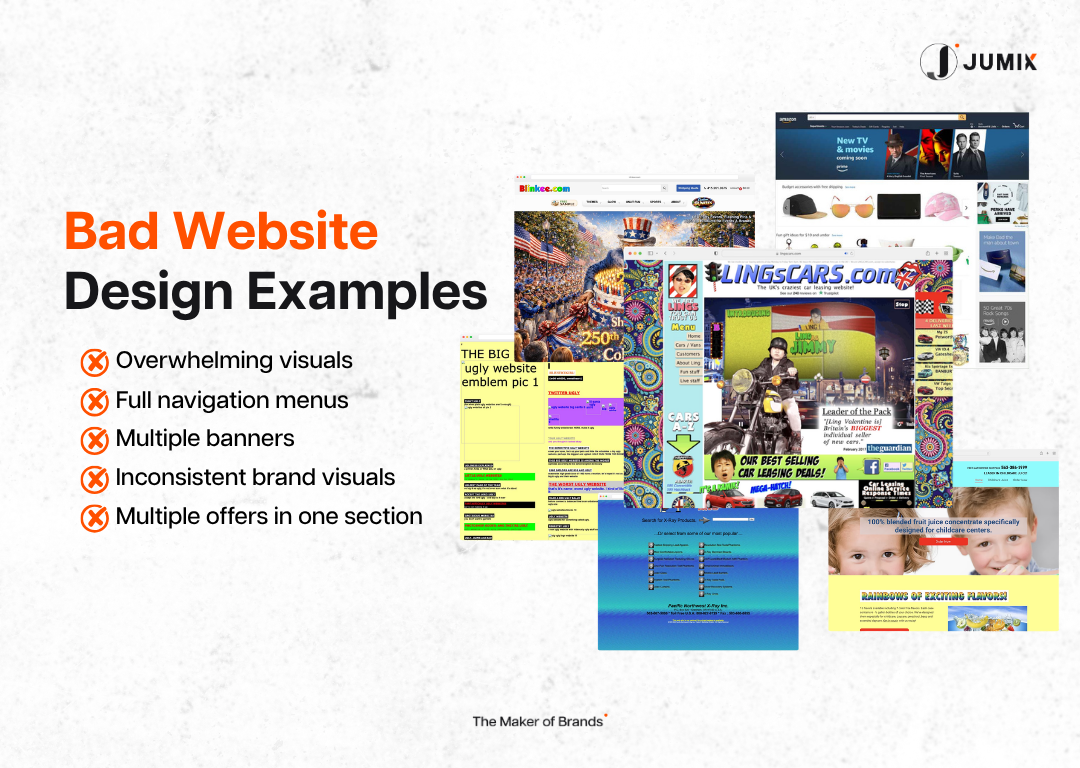
Choice overload does not help visitors decide. It paralyses them.
When a visitor doesn’t know what to do, they do nothing. They leave.
The fix is simple: one primary call-to-action per page.
Not five. Not three. One.
“Get a Free Quote.” “Book a Consultation.” “WhatsApp Us Now.”
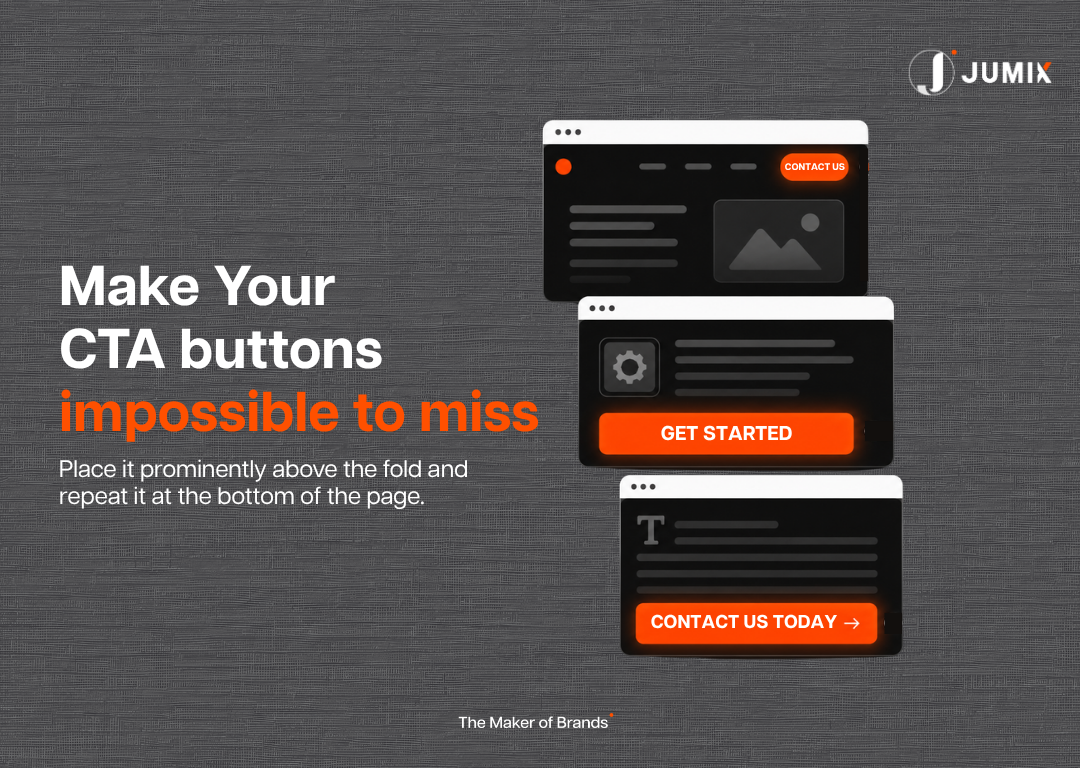
Place it prominently above the fold, the section visible before any scrolling. Repeat it at the bottom of the page. Make it impossible to miss.
The most common website mistakes in Malaysia come down to unclear direction, visitors arrive with intent and leave without acting because no one showed them the next step.
A weak call-to-action costs you more sales than a weak product ever will.
Reason 2: Your Website Doesn’t Build Trust Fast Enough
Malaysian buyers don’t buy from strangers.
They research. They compare. They look for proof that you’re legitimate, experienced, and safe to do business with.
If your website doesn’t answer these questions within the first 30 seconds, they move on to a competitor who does.
Trust signals are the elements that answer those questions silently:
- Client testimonials, real words from real customers, not generic praise
- Client logos, recognisable brands you’ve worked with
- Numbers, years in business, clients served, projects completed
- Photos of your team or premises, proof that a real business exists behind the website
- Awards or certifications, third-party validation
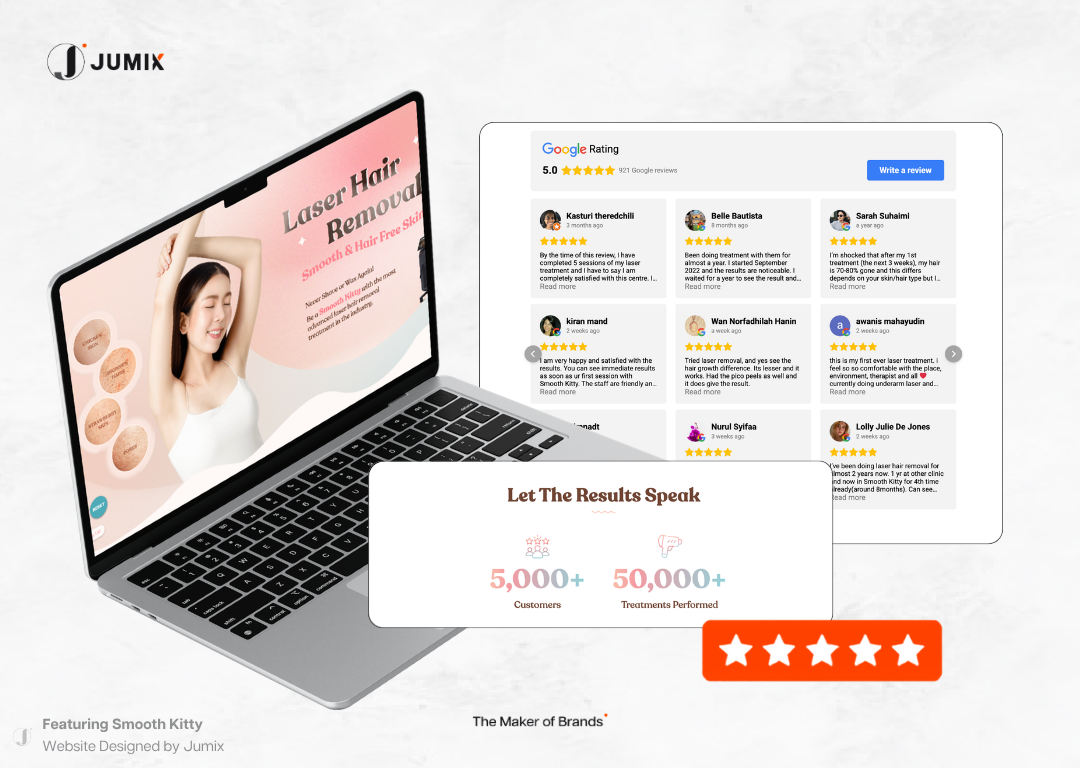
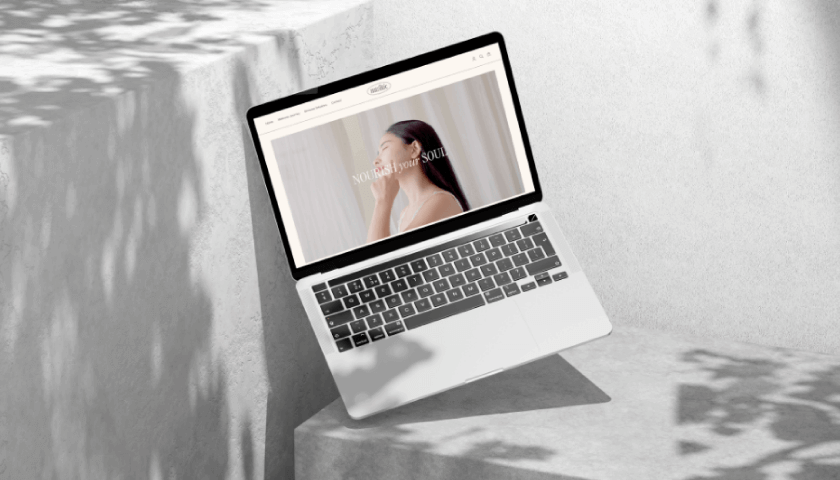
The beauty clinic Smooth Kitty understood this challenge well. In the aesthetics industry, every competitor looks clinical and cold. What Smooth Kitty needed was warmth and personality, proof that first-time clients would feel comfortable, not judged.
By translating their approachable brand identity into the website design itself, trust was built before a visitor even read a single service description. The result was stronger emotional connection and more confident enquiries from people who had never walked through the door.
Trust is not built through claims. It is built through evidence.
Add the evidence. Your conversion rate will follow.
Reason 3: The Page Takes Too Long to Load
Here’s a number that should concern every Malaysian business owner: 53% of mobile users abandon a page that takes longer than three seconds to load.
You paid to drive traffic to your website. If the page loads slowly, that traffic leaves before seeing a single word of your content.
Page speed is not a technical problem. It is a sales problem.
Slow websites lose customers to faster competitors, not because the competitor has a better product, but because their page loaded first.
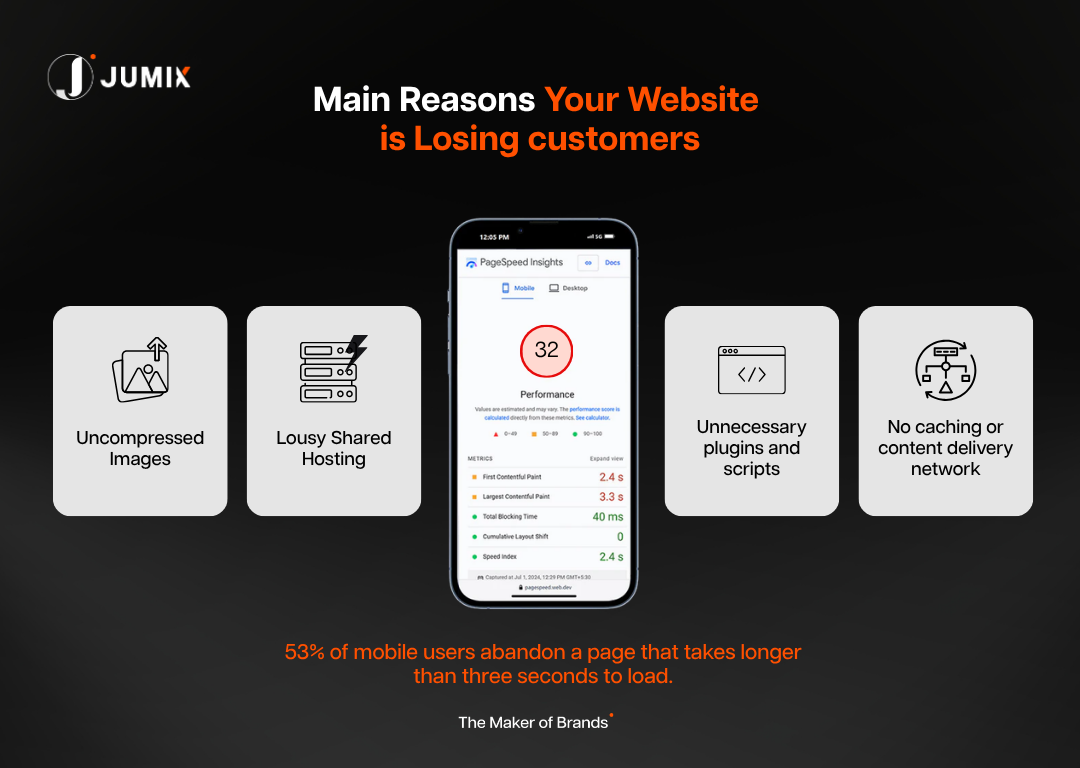
The main culprits:
- Uncompressed images (the single biggest cause of slow websites)
- Cheap shared hosting that can’t handle traffic spikes
- Unnecessary plugins and scripts running in the background
- No caching or content delivery network in place
Run your website through Google’s PageSpeed Insights tool right now. A score below 70 on mobile is costing you sales.
Speed is not a feature. It is the foundation everything else sits on.
Reason 4: Your Messaging Talks About You, Not the Buyer
Read your homepage headline out loud.
Does it describe your company, or does it describe the outcome your customer gets?
“Established Since 2008. Award-Winning Quality.”, This is about you.
“We Help Malaysian Businesses Get More Customers Through Their Website.”, This is about them.
Visitors arrive at your website with one question: can this business solve my problem?
They are not interested in your history, your awards, or your founding story, not yet. Those details build credibility later. The headline has one job: tell the visitor they are in the right place.
TruPaste, a Penang soup paste manufacturer, faced this challenge directly. Their original messaging described their products, the flavours, the ingredients, the process. But their actual buyers were restaurant owners and kitchen operators who needed to know one thing: will this reduce my workload and keep my dishes consistent?
Once the messaging shifted to answer that question first, the website started converting.
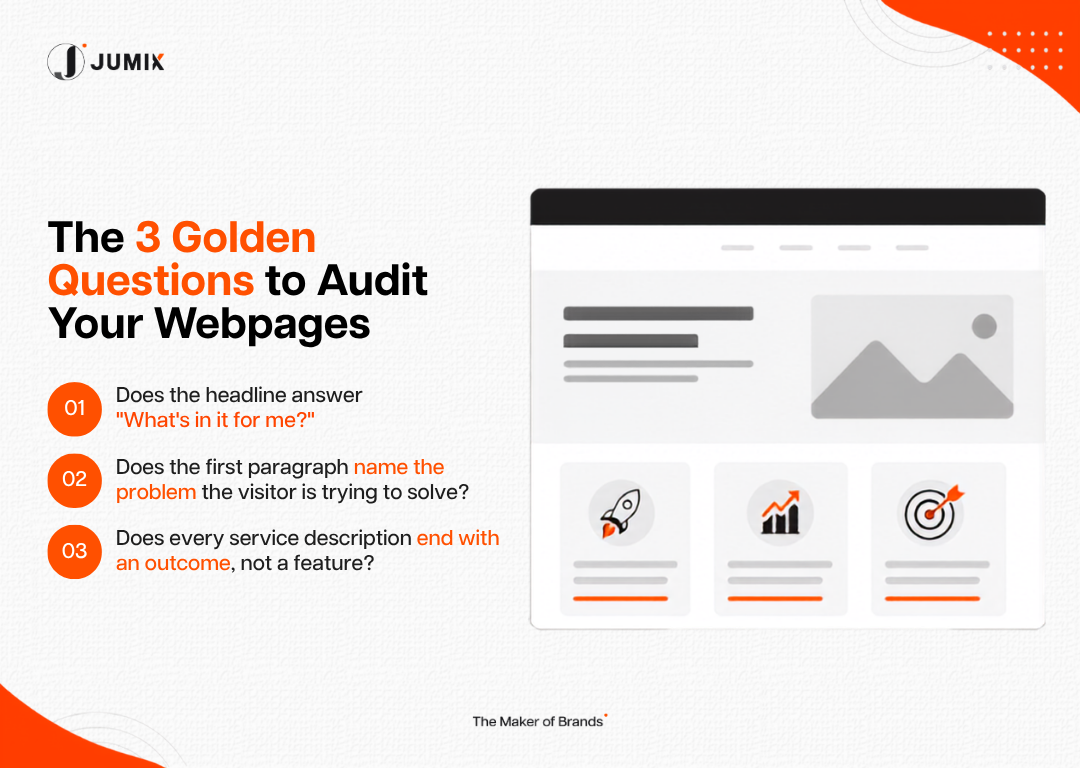
Run this audit on every page:
- Does the headline answer “what’s in it for me?”
- Does the first paragraph name the problem the visitor is trying to solve?
- Does every service description end with an outcome, not a feature?
Flip your messaging from company-centric to buyer-centric. Watch the enquiries increase.
Reason 5: You’re Sending Traffic to the Wrong Page
You run a Facebook ad. Someone clicks. Where do they land?
If your answer is “the homepage”, you’re losing most of that traffic before it converts.
A homepage is designed for general visitors who are exploring. It has navigation, multiple sections, and broad messaging.
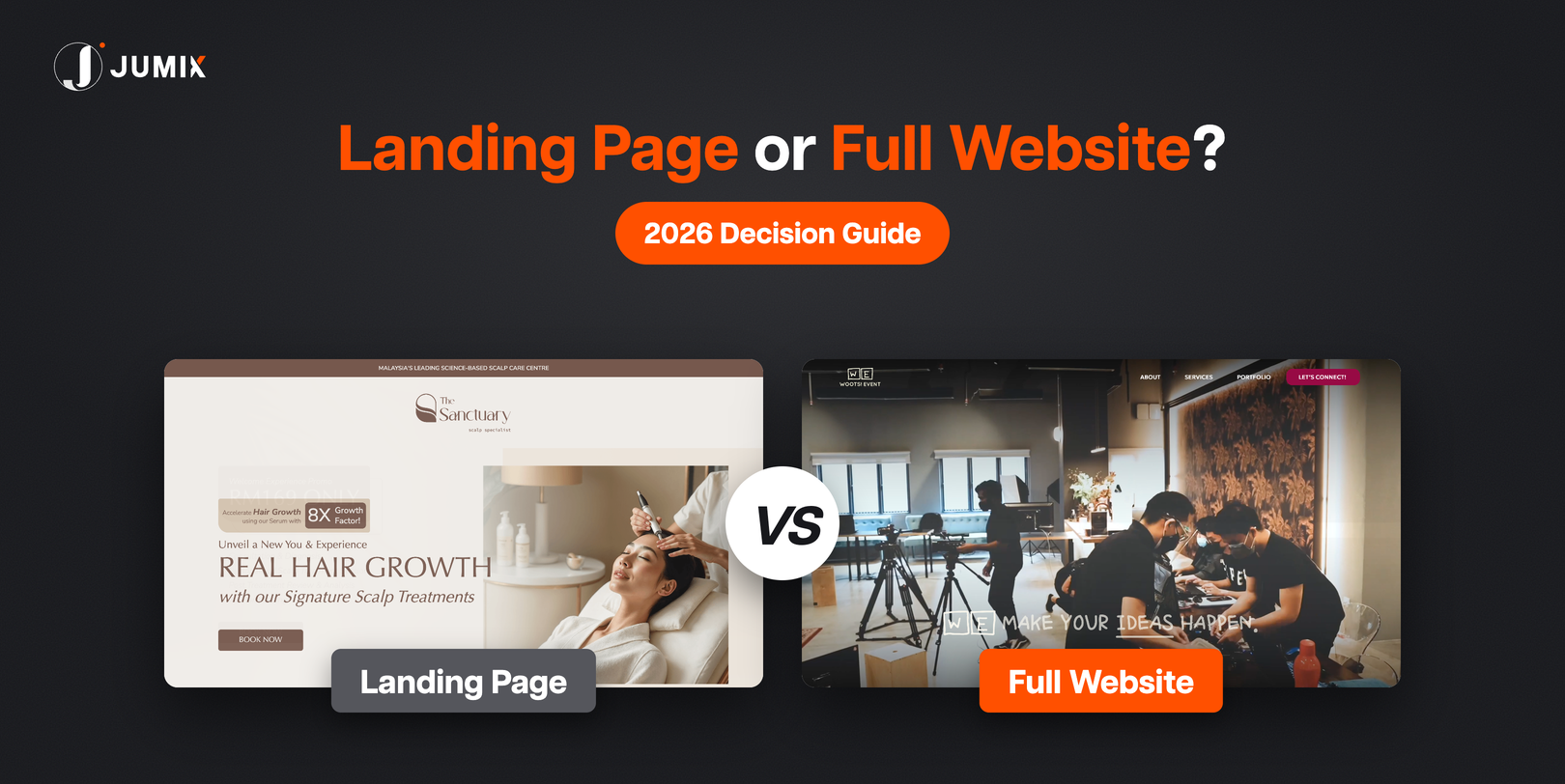
A landing page is built for one specific audience, with one specific message, and one specific action.
When your ad promises “Free Website Audit for Penang Businesses” and the visitor lands on a homepage full of unrelated services, the message breaks. The visitor feels confused. They leave.
Most businesses focus on getting traffic but ignore what happens to that traffic after it arrives, and that mismatch between ad message and landing page is one of the most expensive mistakes in digital marketing.
The same principle applies to organic traffic. A blog post about web design should link to a web design service page, not a generic contact page.
Match the message to the destination. Every source of traffic deserves a page built specifically for it.
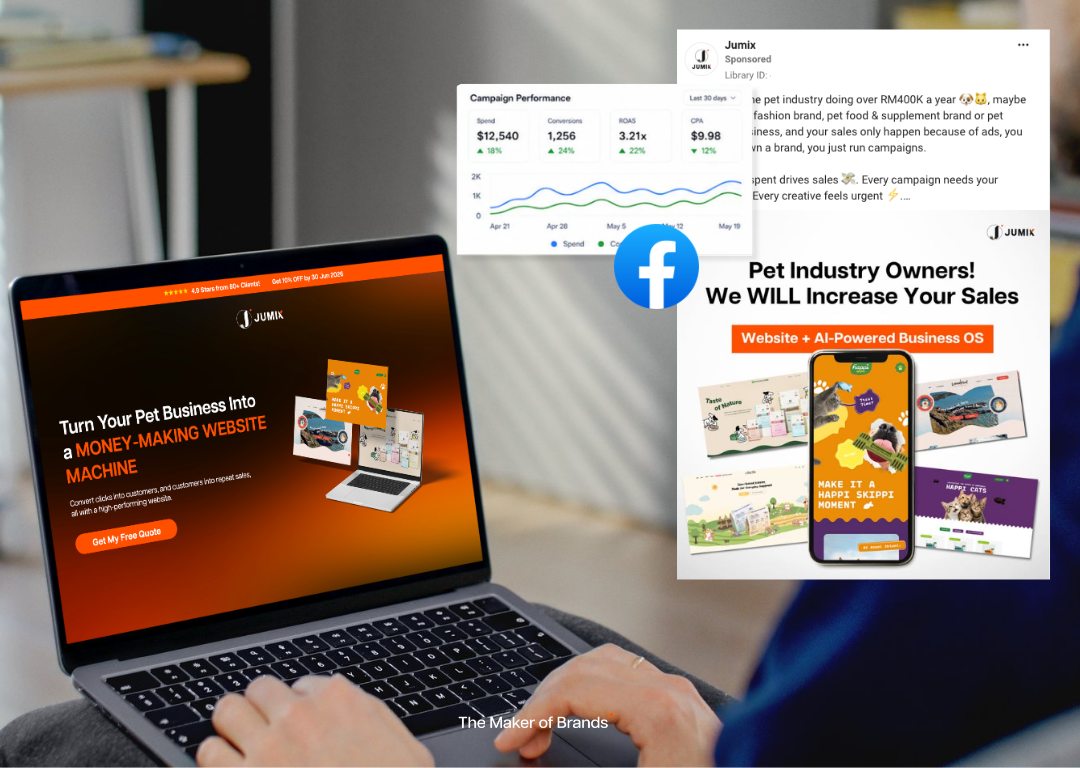
This single change can double the return on your existing marketing spend without increasing your ad budget by a single ringgit.
What a Converting Website Actually Looks Like
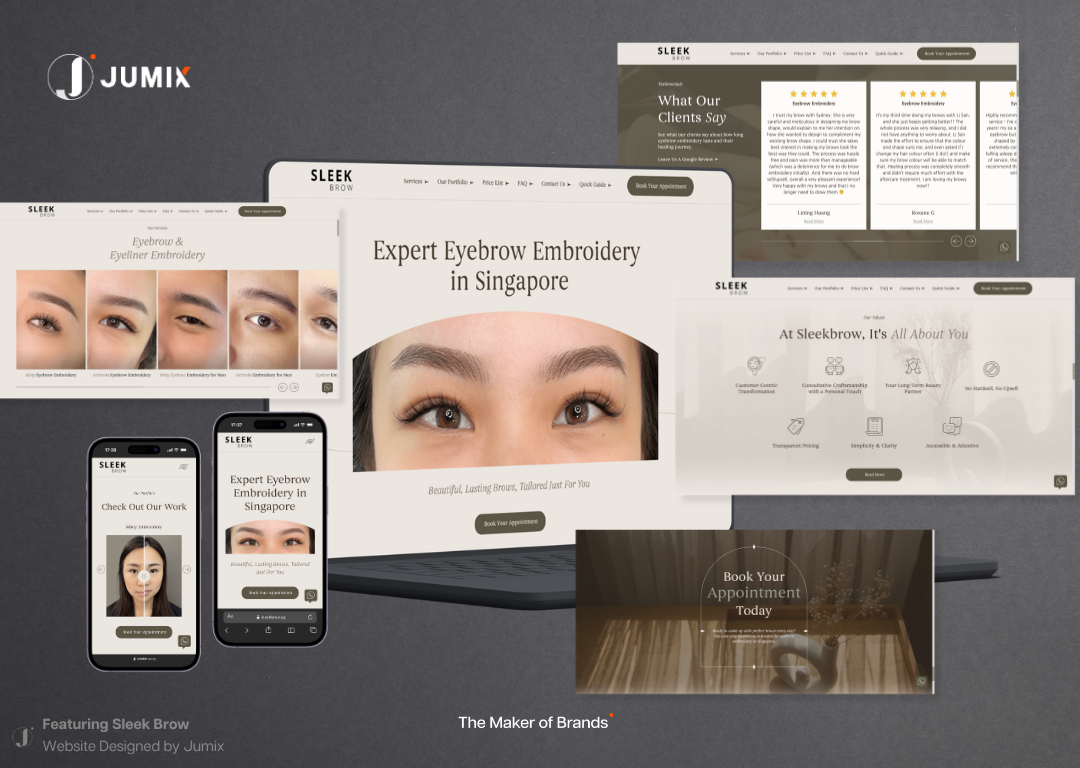
A website built to convert website visitors to customers shares the same core anatomy.
It is not the most beautiful website. It is the most useful one.
Above the fold: Clear headline answering “what do you do and who is it for.” One CTA. A trust signal (client count, years in business, a recognisable logo).
Social proof section: Real testimonials with names and companies. Not “John, KL.” Real, specific, verifiable.
Service or product section: Outcome-focused descriptions. Not features, results.
Why us section: Specific differentiators. Not “we are passionate and dedicated.” What do you do that competitors don’t?
Clear conversion point: Contact form, WhatsApp button, or booking link. Short. Fast. Frictionless.
Mobile performance: Every element of the above, working perfectly on a phone.
These are the non-negotiables of modern Malaysian web design, and websites that skip any one of them leave sales on the table.
The goal is not a website that impresses your peers. The goal is a website that converts strangers into customers.
Those are two very different briefs.
Frequently Asked Questions
How do I know if my website conversion rate is bad?
The average website conversion rate across industries is 2–5%. If you’re getting 1,000 visitors a month and fewer than 20 enquiries, your website is underperforming. For service businesses in Malaysia, even a 3% conversion rate on qualified traffic should produce a consistent flow of leads. Anything below 1% signals a fundamental problem with messaging, trust, or user experience.
Do I need to rebuild my whole website to fix this?
Not always. Sometimes the fixes are targeted, rewriting homepage headlines, adding testimonials, improving page speed, or creating dedicated landing pages for campaigns. A full rebuild is warranted when the underlying structure is wrong: poor mobile experience, outdated design that destroys trust, or a platform that can’t support the changes needed. A proper audit will tell you which route makes sense.
How long before I see results from a website redesign?
For direct traffic and paid campaigns, improvements in conversion rate are visible within days of launch. For organic search traffic, changes take longer, typically two to four months before Google re-evaluates and re-ranks updated pages. The fastest wins come from fixing CTAs, improving page speed, and adding trust signals, these require no waiting period.
Can good web design really increase website sales in Malaysia?
Yes, when the design is built around conversion, not aesthetics. Design alone doesn’t close sales. But design that removes friction, builds trust, and directs visitors toward a clear action creates the conditions for sales to happen. Malaysian buyers are online and they are comparing. The website that answers their questions fastest and builds trust quickest wins.
Traffic Is Not the Goal. Sales Are.
Most Malaysian businesses treat their website as a box to tick. It exists. It looks reasonable. That’s enough.
It isn’t.
Every day your website fails to convert, it is actively handing customers to competitors who built theirs with intent.
The fix is not more ads. Not more followers. Not a bigger marketing budget.
The fix is a website designed to do one job: turn visitors into buyers.
Clear messaging. Fast load times. Real trust signals. One obvious next step on every page. Landing pages that match your campaigns.
These are not advanced tactics. They are the basics that most Malaysian business websites still get wrong.
Fix the basics. The sales will follow. 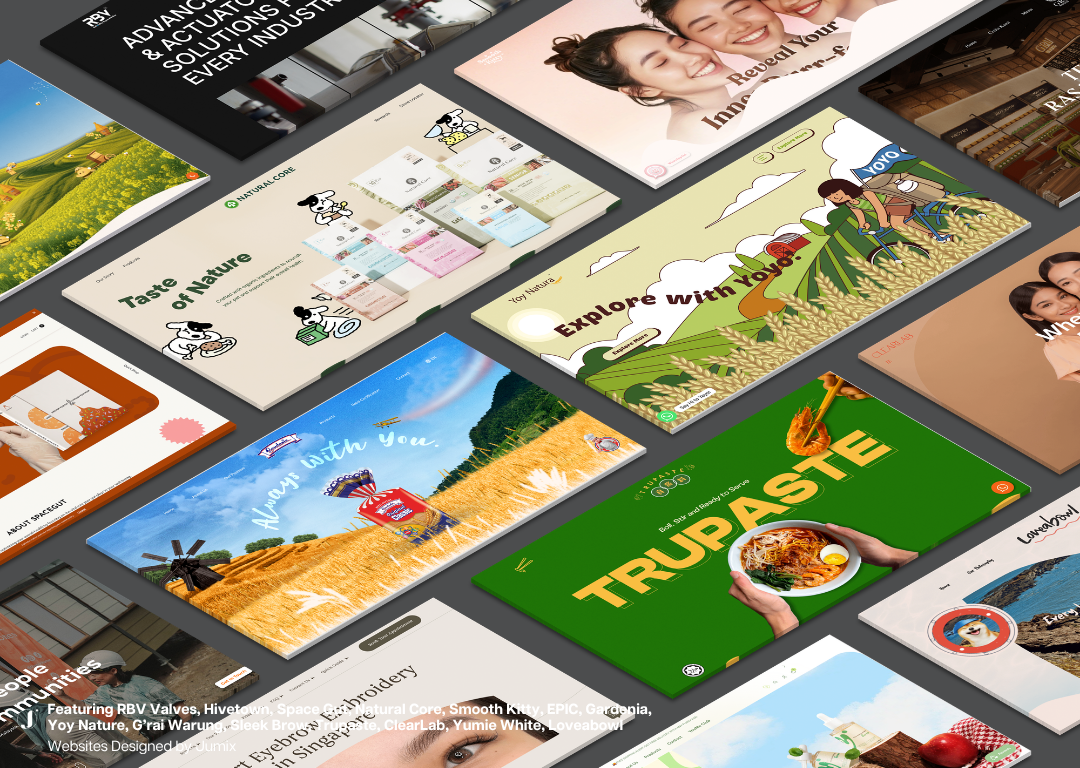
Jumix’s web design service is built specifically to close this gap, websites designed not just to look good, but to convert visitors into paying customers. If your website is getting traffic but not generating sales, that’s the starting point.




Comments are closed for this article!