


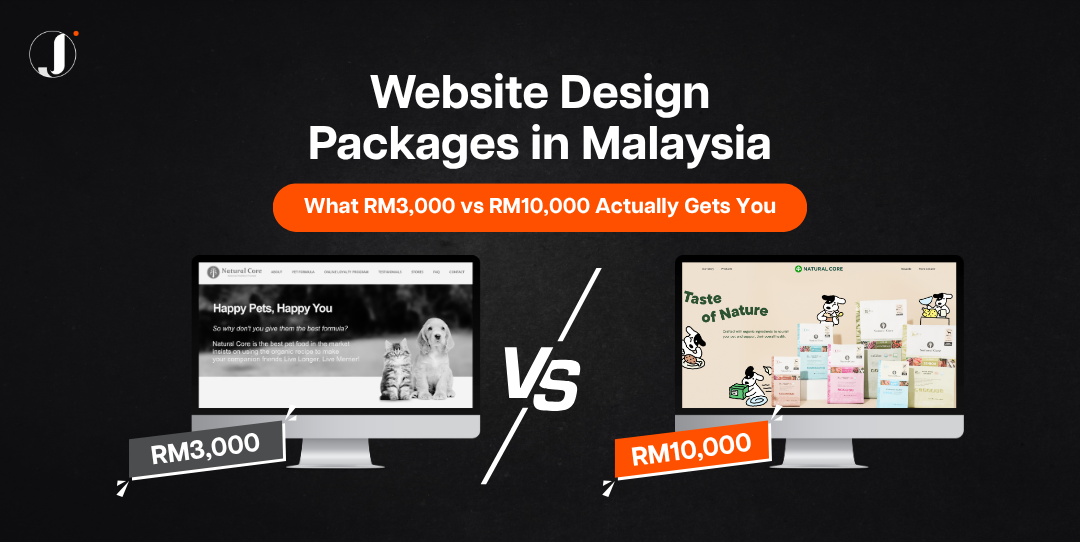
Website design packages in Malaysia range from RM3,000 to RM15,000 depending on scope, agency experience, and what’s actually included. The cheaper option typically covers a template-based build with minimal customization, while professional packages include strategy, conversion-focused design, and post-launch support. For most businesses, the real cost of going cheap is a full rebuild within 12 to 18 months.
Quick Takeaways
- The RM3,000 quote covers a website. The RM10,000 quote covers a business tool.
- Cheap websites cost more in communication time, missed deadlines, and eventual rebuilds
- Your website is your brand. What it looks like is what clients think of you before they ever meet you.
- Every week a bad website is live, it’s actively losing you leads
- The right agency asks about your business before they open a design tool
- Two quotes. One decision.
- What the RM3,000 package actually includes
- What the RM10,000 package actually includes
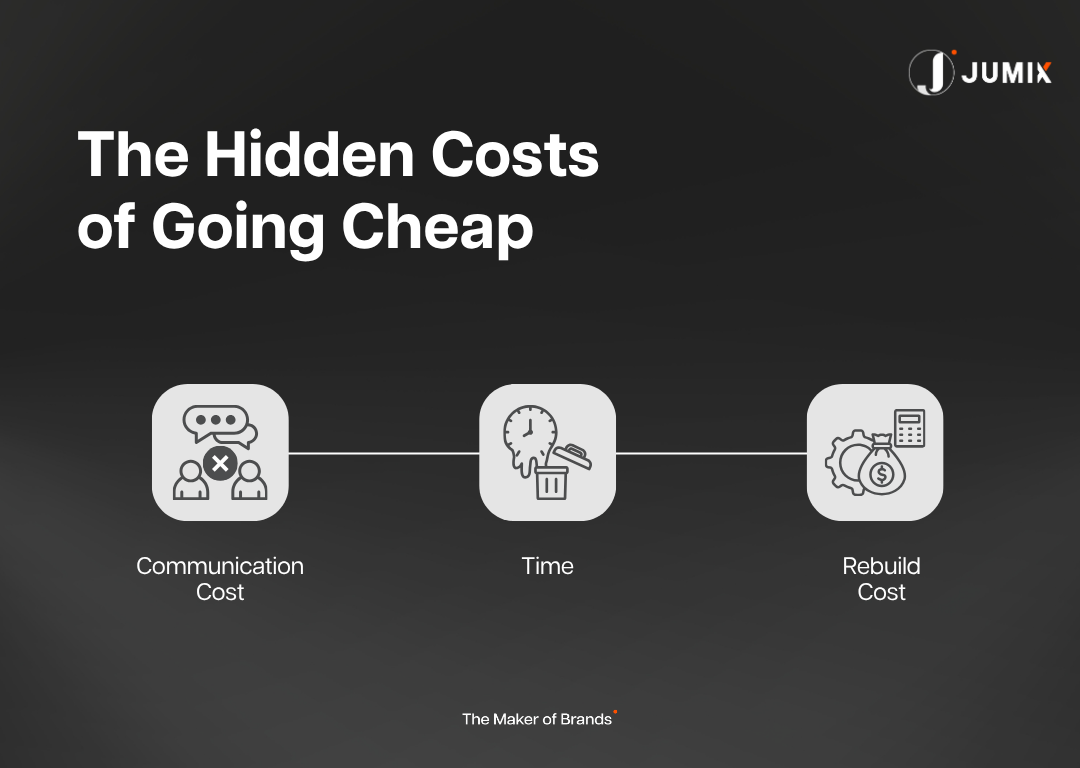
- The hidden costs of going cheap
- Your website is your brand
- Why the agency matters more than the price
- Frequently Asked Questions
- Conclusion
Two quotes. One decision.
You asked two agencies for a quote.
One came back at RM3,000. The other at RM10,000.
The cheaper one looks like the smart choice: same deliverable, less money, done.

But they’re not the same deliverable.
One gives you a website. The other builds you a business asset.
The difference shows up not on the invoice, but in how many leads you get, how clients perceive you, and whether you’re paying someone to redo the whole thing 18 months from now.
This article breaks down exactly what you’re buying at each price point. And why the decision you make right now matters more than most business owners realise.
Your website isn’t a digital brochure. It’s your brand, your first impression, and for many businesses in Malaysia, the primary driver of qualified leads. Getting that wrong is an expensive mistake.
What the RM3,000 package actually includes
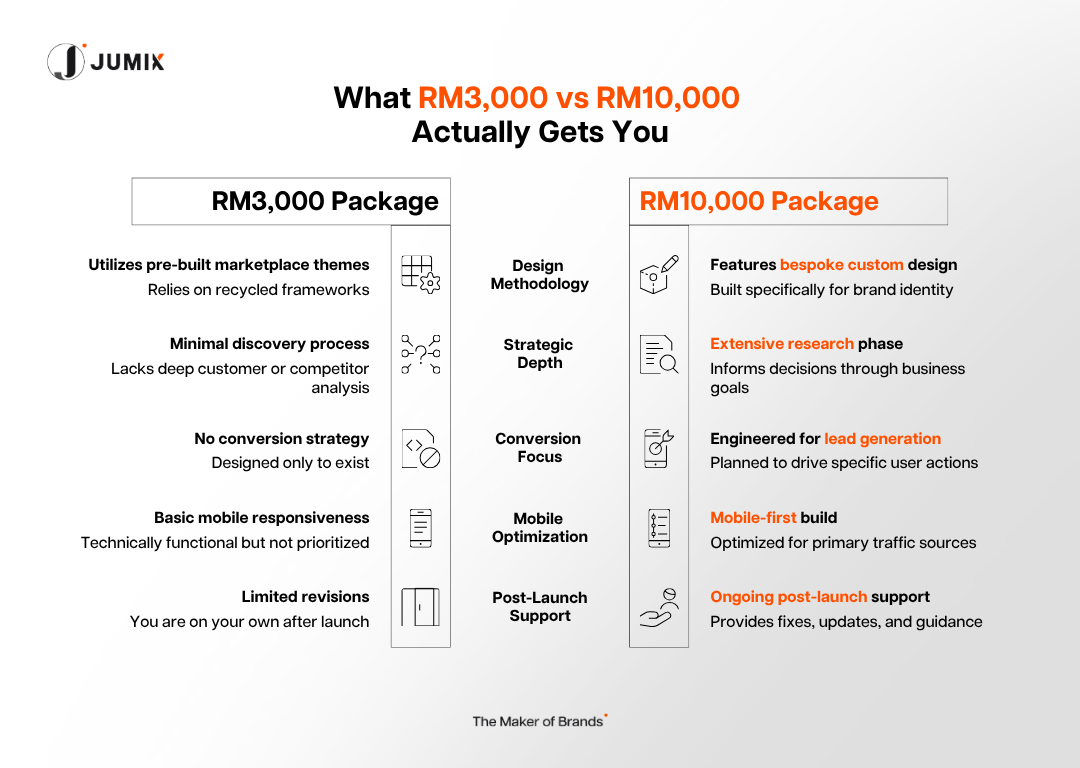
At RM3,000, you’re buying speed and a template.
The agency moves fast because they’re not asking hard questions. They slot your content into a pre-built framework, adjust colours, swap photos, and hand it over.
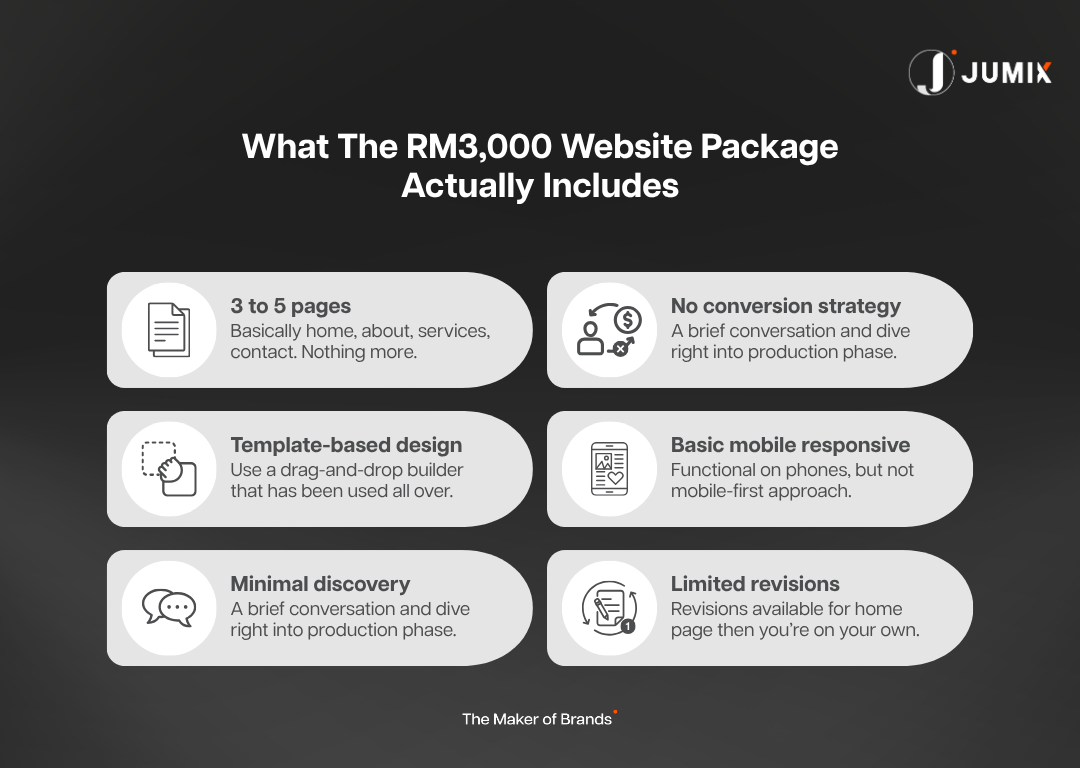
Here’s what that typically looks like in practice:
- 3 to 5 pages: home, about, services, contact. Nothing more.
- Template-based design: a theme purchased from a marketplace, used across dozens of other websites
- Minimal discovery: one brief call, a short form, maybe a WhatsApp thread. No deep conversation about your customers, your competitors, or your goals.
- No conversion strategy: the site looks presentable but nothing about it is built to generate enquiries
- Basic mobile responsiveness: technically functional on phones, but not built mobile-first
- Limited revisions: one or two rounds, then you’re on your own
The output is a website that exists. It loads. It has your logo and your phone number.
What it doesn’t have is intent. Nobody asked what you want visitors to do, so nothing on the site is designed to make them do it.
The real cost of cutting corners on a website shows up long after the invoice is paid.
What the RM10,000 package actually includes
At RM10,000, the process starts before any design happens.
A professional agency runs a discovery phase. They want to know your target customer, your competitors, how you currently generate leads, and what a successful website looks like for your specific business.
That work informs every design decision.
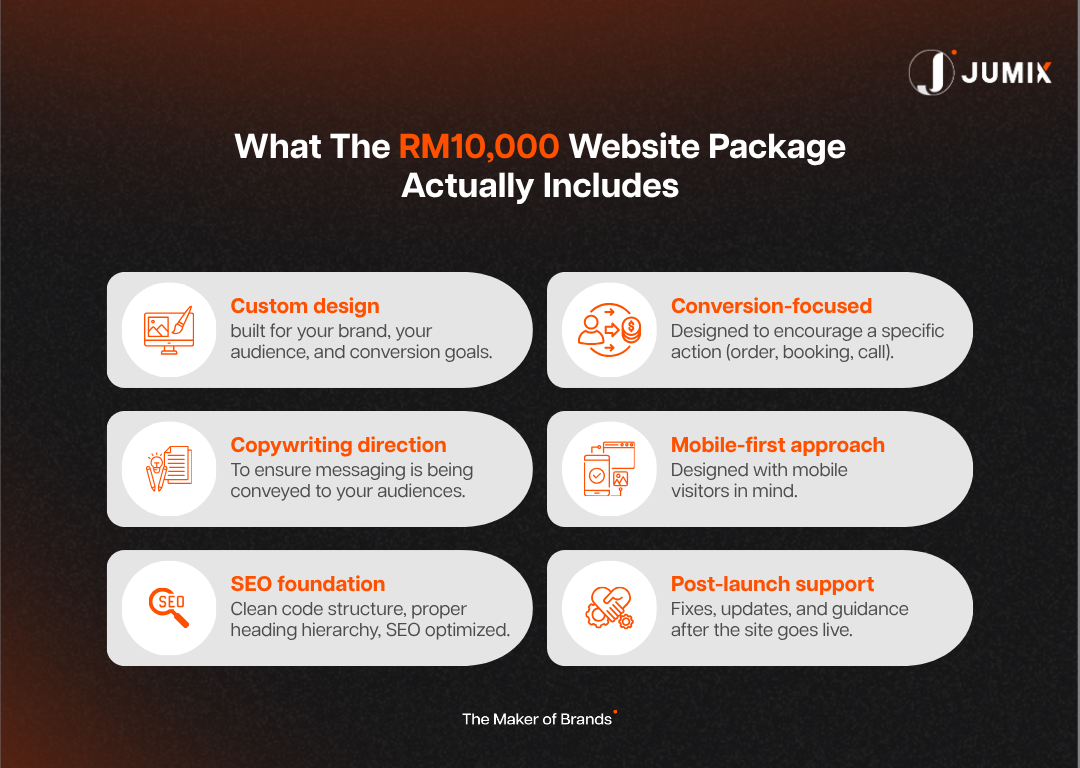
Here’s what a professional web design package in Malaysia typically covers at this price point:
- Custom design: built for your brand, your audience, and your conversion goals. No recycled templates.
- Conversion-focused structure: every page is planned to move visitors toward a specific action (enquiry, purchase, booking, call)
- Mobile-first build: designed for phones before desktops, because that’s where most Malaysian web traffic comes from
- Copywriting direction: either included or guided, so your messaging speaks to the right person with the right words
- SEO foundation: clean code structure, proper heading hierarchy, page speed optimization, and meta setup from day one
- Post-launch support: fixes, updates, and guidance after the site goes live
- A team that asks the right questions: before they write a single line of code
The difference is function. A professionally built website is engineered to generate leads and reflect your brand at the level your business deserves.
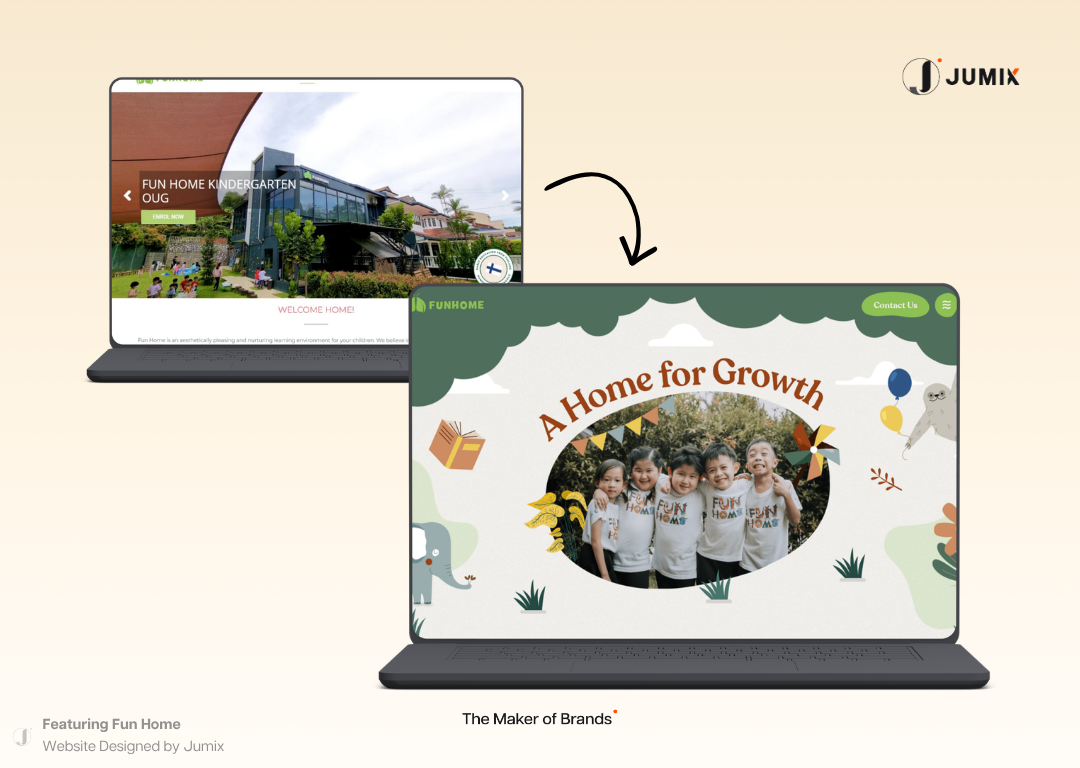
Your website is your brand
75% of people judge a company’s credibility based on its website design. (Source: Stanford Web Credibility Research)
Before your sales team picks up the phone. Before a client reads a single testimonial. Before they’ve seen your office or met your team, they’ve already formed an opinion. And that opinion came from your website.
For most Malaysian businesses, the website is the brand. It’s the first interaction, the trust-builder, and the closer. A website that looks cheap tells clients you cut corners. A website that looks generic tells them you’re one of many.
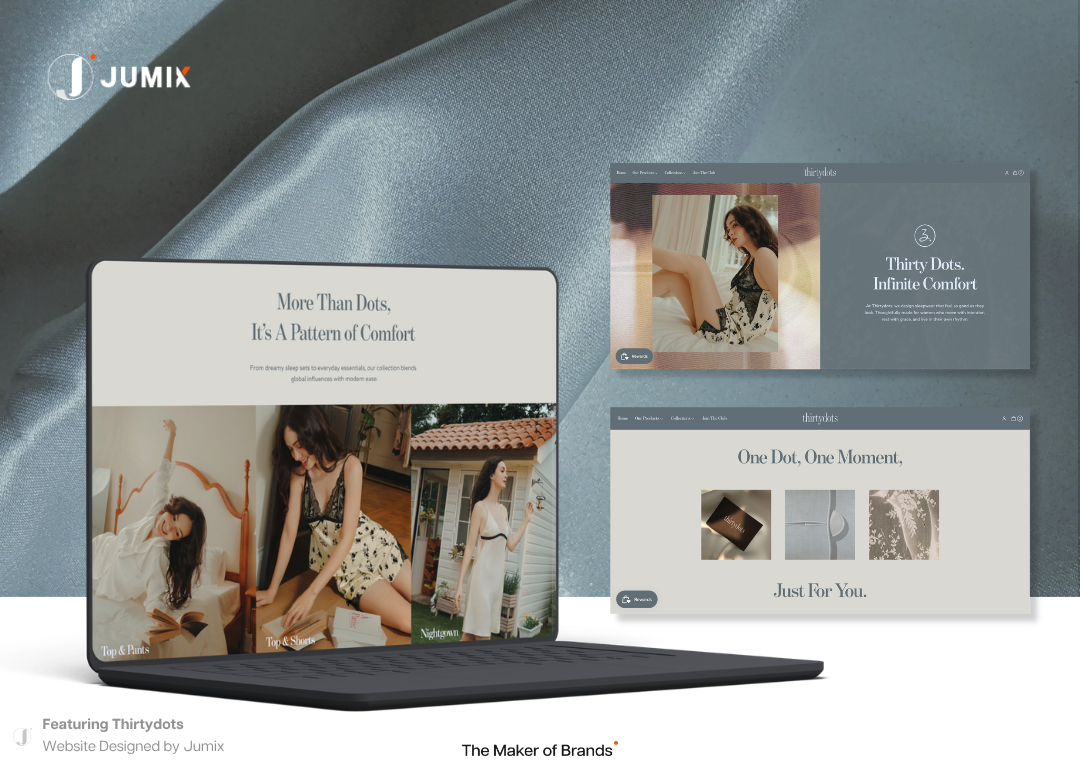
Thirtydots, a sleepwear and underwear brand, launched with zero existing customers and zero brand recognition. They invested in a properly built Shopify store from day one: clean layout, precise visual identity, a checkout that worked. That website positioned them as a premium brand before a single customer left a review. Their first impression was right. And in eCommerce, first impressions determine whether a visitor becomes a buyer or a bounce.
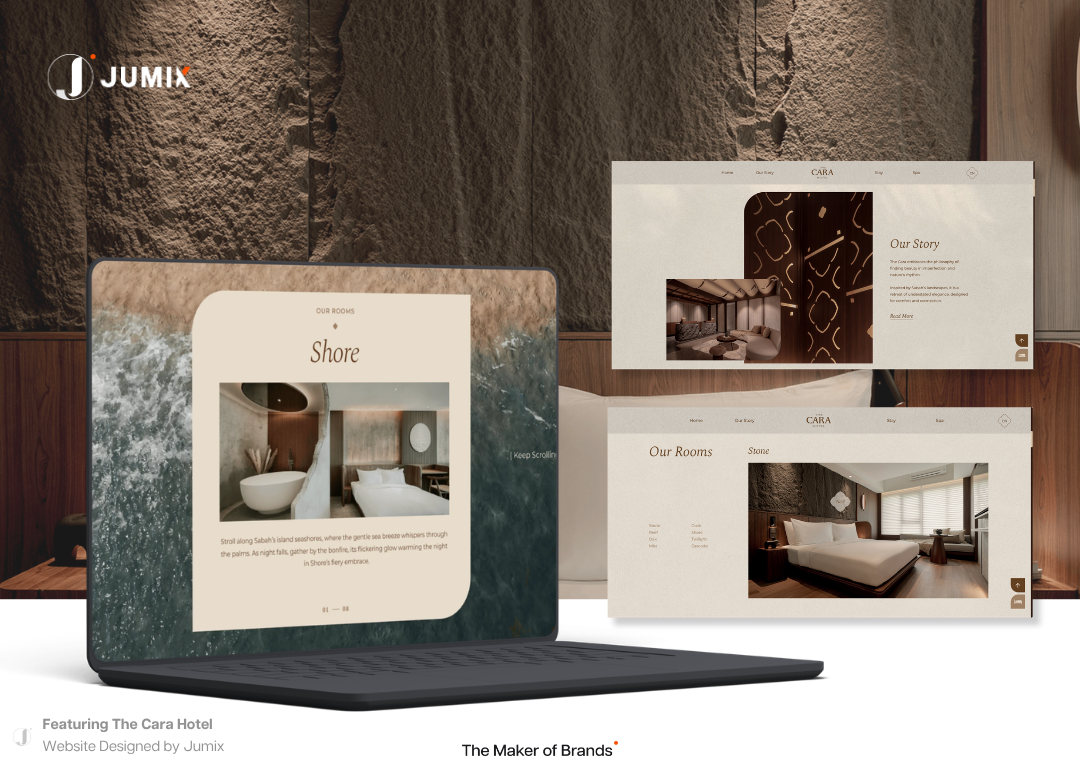
The Cara Hotel in Sabah needed something very specific: a website that felt like a physical extension of their Wabi Sabi retreat. Soft tones, generous whitespace, intentional design rhythm. A generic hotel template would have destroyed the positioning they’d spent years building in person.
Why the agency matters more than the price
Price is a signal, but it’s not the whole story.
What matters is whether the agency understands that your website is a business tool and treats it that way.
The right agency asks questions before they quote. They want to know your target customer, your current lead sources, what’s working and what isn’t. They talk about conversion before they talk about colour palettes.
The wrong agency sends you a portfolio link and a payment link.
This distinction shows up most clearly in professional services. And almost nowhere more than in the legal industry.
Most lawyers in Malaysia have websites that actively work against them. Old WordPress templates from a decade ago. DIY Wix builds thrown together over a weekend. Stock photos of courtrooms and scales of justice that could belong to any firm in the country. No clear message. No explanation of who they serve or what they specialise in. No reason for a potential client to trust them over the next result on Google.
The website is supposed to establish authority. Instead, it undermines it before a single phone call happens. A potential client searches for a property lawyer in Penang, lands on three results, and makes a snap judgement in seconds. If your website looks like it was built in 2012, the answer is no, regardless of how good you actually are.
Aaron Lee, a real estate lawyer in Penang, understood this. His challenge wasn’t visibility. It was lead quality: too many enquiries from people who weren’t the right fit, wasting consultation time on cases that went nowhere.

Jumix built a high-intent landing page that did something most legal websites in Malaysia never attempt. It qualified visitors before they made contact. Problem-first messaging helped potential clients self-identify their legal need. A structured intake form captured case details upfront. Google Calendar integration removed the scheduling friction entirely.
The result was a system that filtered for intent before the first conversation. Better leads. Less time wasted. A website that worked as hard as he did.
Knowing what red flags to avoid when choosing an agency saves you from paying twice.
Frequently Asked Questions
Is RM3,000 ever enough for a good website?
For very specific use cases (a one-page portfolio, a simple landing page for a single campaign, or a proof-of-concept for a new product) yes. But for any business that depends on its website to generate leads, build trust, or represent its brand, RM3,000 buys a template with your name on it. That’s not the same as a website built for your business.
What should a RM10,000 web design package include in Malaysia?
At minimum: a discovery and strategy phase, custom design built for your specific audience, mobile-first development, conversion-focused page structure, basic SEO setup, and post-launch support. If an agency quotes RM10,000 but skips the discovery phase entirely, you’re paying a premium price for a template-based build. Ask to see their process before you sign.
How do I know if an agency is worth the price?
Ask them what they need to know about your business before they can design your website. The right agency can’t answer without asking you about your customers, your goals, and your competition first. If they skip straight to showing you themes and pricing tiers, they’re selling a product, not solving a problem.
Why do cheap websites often get rebuilt so quickly?
Because they’re built for the handover, not for performance. Without a conversion strategy, the site doesn’t generate leads. Without proper mobile-first design, it loses visitors on phones. Without SEO foundations, it doesn’t rank. Within a year, the business has grown and the website hasn’t kept up. The rebuild costs more than getting it right would have cost the first time.
The decision you make today compounds
A website isn’t a one-time cost. It’s a daily investment in how your business is perceived, how many leads come in, and whether the right clients find you before they find someone else.
The RM3,000 package solves a problem for today. The RM10,000 package builds an asset for the next three to five years.
Most businesses that choose cheap don’t regret the saving. They regret the rebuild.
Jumix’s web design service is built for Malaysian businesses that want to get it right the first time: strategy, design, and conversion working together from day one. See our web design pricing for a transparent breakdown of what’s included at each package level.






Comments are closed for this article!